

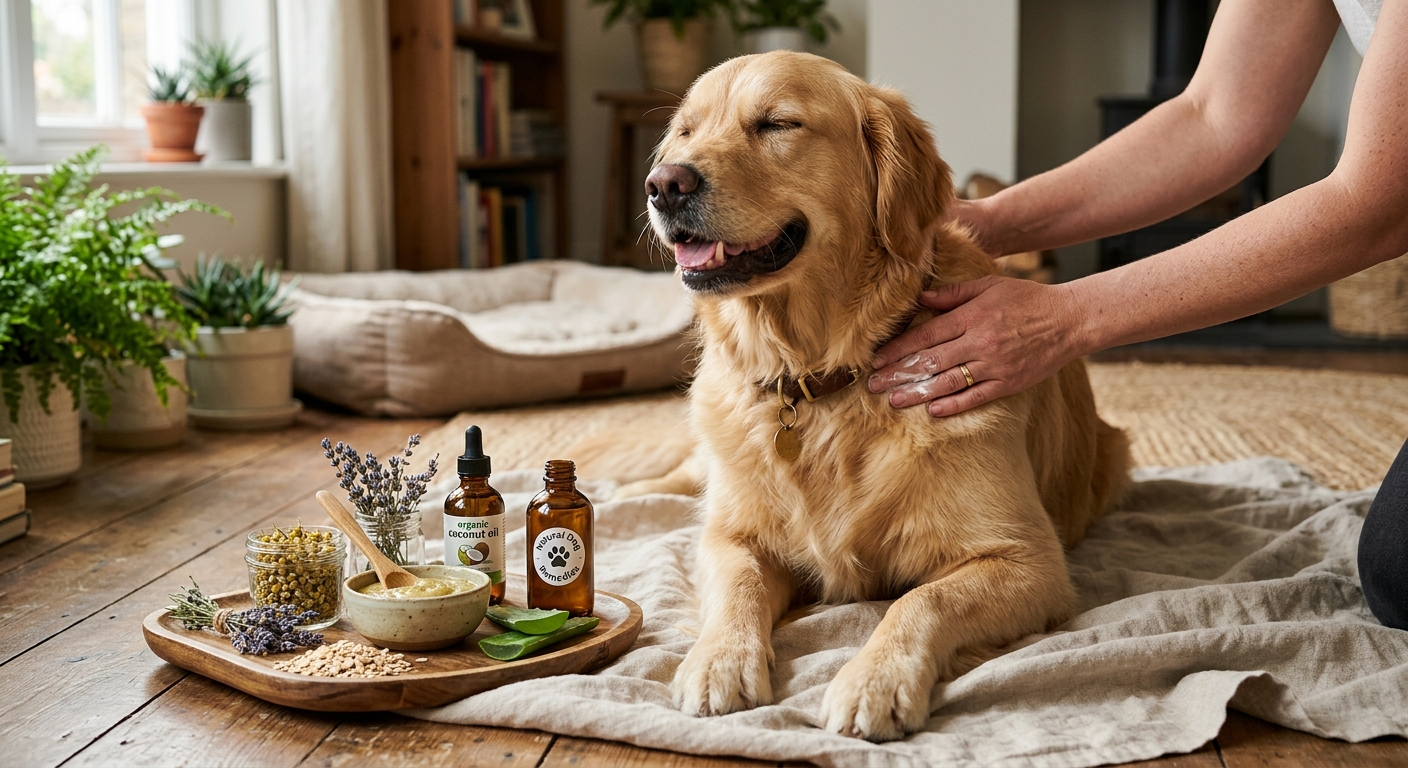
Why Is Your Dog Scratching So Much?
If your dog seems to scratch, lick, or chew at their skin constantly, you are not alone. Itchy skin — known medically as pruritus — is one of the most frequent health complaints that brings dogs to the veterinarian. While occasional scratching is perfectly normal, persistent itching can quickly escalate into raw, damaged skin, secondary infections, and serious discomfort for your pet.
Before reaching for any remedy, it helps to understand what is driving the itch in the first place. The underlying cause shapes every treatment decision you make, whether you opt for a home solution or a visit to the vet.
Common Causes of Itchy Skin in Dogs
Pruritus in dogs is a symptom, not a disease. It can arise from a wide range of triggers. According to clinical veterinary literature, the three most common categories are:
- Parasites: Fleas, ticks, and mites (particularly Sarcoptes mange mites) are among the most frequent culprits. Even a single flea bite can trigger an intense allergic reaction in sensitive dogs.
- Infections: Bacterial (typically Staphylococcus) and yeast (Malassezia) infections can independently cause severe itching or develop as secondary complications after the skin barrier is broken by scratching.
- Allergies: Dogs can react to environmental allergens like pollen, dust mites, and mold (atopic dermatitis), as well as food sensitivities — with common protein sources like chicken or beef sometimes being the offenders.
Other less common causes include contact dermatitis from soaps, household chemicals, or lawn treatments, as well as hormonal disorders and dry skin exacerbated by low indoor humidity during winter months.
| Cause | Common Signs | Most Affected Areas |
|---|---|---|
| Flea Allergy | Intense scratching, especially at tail base | Base of tail, hindquarters |
| Atopic Dermatitis | Seasonal itching, paw chewing, face rubbing | Paws, ears, belly, groin |
| Food Sensitivity | Year-round itching, ear infections | Ears, paws, face, armpits |
| Yeast/Bacterial Infection | Greasy coat, odor, redness | Ears, skin folds, paws |
| Mites (Mange) | Intense scratching, hair loss, crusty skin | Ears, ankles, elbows, armpits |
| Dry Skin / Environment | Flaking, dull coat, mild scratching | Back, flanks, tail |
7 Effective Home Remedies for Dog Itchy Skin
For mild to moderate itching where no open wounds, infections, or serious underlying disease are present, several well-regarded home remedies can offer meaningful relief. Always patch-test any new topical treatment on a small area first, and discontinue if you notice worsening redness or irritation.
1. Colloidal Oatmeal Baths
Colloidal oatmeal is one of the most trusted and time-honored remedies for irritated skin. Its anti-inflammatory and moisturizing properties directly calm inflamed tissue and reduce the sensation of itching. To prepare a home version, grind plain, unflavored oatmeal into a fine powder using a blender or coffee grinder, then dissolve it into a tub of lukewarm water. Allow your dog to soak for 10–15 minutes, gently working the solution into the affected areas, then rinse thoroughly and pat dry. For dogs that resist full baths, a targeted paw soak works especially well for dogs that chew their feet. Once or twice weekly is generally a safe frequency unless your veterinarian advises otherwise.
2. Apple Cider Vinegar Spray
Apple cider vinegar (ACV) is a natural antiseptic and antifungal agent that can help restore the skin’s natural pH balance and discourage yeast overgrowth. Mix equal parts ACV and water in a clean spray bottle and apply lightly to itchy patches, carefully avoiding the eyes, ears, and any open or broken skin. Because ACV can sting raw or abraded tissue, it should never be applied to wounds or hot spots. For dogs with chronically itchy paws, a brief foot soak in the diluted solution for up to five minutes can provide targeted relief. Rinse the paws after soaking to prevent the dog from ingesting too much of the solution.
3. Coconut Oil
Organic, unrefined coconut oil offers both moisturizing and antimicrobial benefits. When applied topically as a thin layer directly onto dry, flaky, or mildly irritated patches, it can soothe the skin and help reinforce the natural skin barrier. Coconut oil can also be added in small amounts to your dog’s food, which some owners find helps with overall coat condition. Start with a very small quantity and introduce it gradually to avoid gastrointestinal upset. While it is a helpful supportive measure, coconut oil should not be used on actively infected or weeping skin.
4. Herbal Tea Rinses
Chamomile, calendula, and green tea all contain natural compounds with anti-inflammatory and skin-cooling properties. For widespread itching, steep several tea bags in warm water, allow the liquid to cool completely to room temperature, and either use it as a rinse after your dog’s bath or apply it to irritated patches using a soft cloth. For a localized soak, steep one or two bags in about two cups of hot water, let the liquid cool fully, then pour it directly over the affected area and allow it to air dry without rinsing. This is particularly soothing for dogs with hot, inflamed skin patches.
5. Pure Aloe Vera Gel
Aloe vera is well known for its cooling and anti-inflammatory properties, and a thin application to red, irritated patches on the belly, legs, or tail base can deliver quick topical comfort. Always select a product that is free of alcohol and artificial additives, as these ingredients can worsen irritation in dogs. Pet-safe aloe vera gels are readily available, and the leaf gel from a fresh plant is another safe option, provided no additional compounds have been added. Do not use aloe vera on deep wounds or actively infected areas without veterinary guidance, as it is not a substitute for medical treatment.
6. Baking Soda Paste or Soak
Baking soda (sodium bicarbonate) can temporarily relieve surface-level itching by neutralizing mild skin acids and soothing irritated tissue. You can create a simple paste by mixing baking soda with just enough water to achieve a spreadable consistency and applying it to itchy spots for 15–20 minutes before rinsing thoroughly. Alternatively, dissolve a small amount of baking soda in a warm water bath for a more general soak. As with all topical remedies, keep the solution away from broken skin and the eyes, and monitor your dog to prevent ingestion of large quantities.
7. Omega-3 Fatty Acid Supplementation
Unlike the topical options above, omega-3 supplementation works from the inside out by directly supporting the skin’s barrier function and moderating the inflammatory response. Fish oil containing EPA (eicosapentaenoic acid) and DHA (docosahexaenoic acid) is the most bioavailable source for dogs. A published double-blind, placebo-controlled trial found that clinical scores improved significantly in dogs supplemented with omega-3 fatty acids compared with a placebo group. Visible improvements in coat quality and reduced scratching typically appear within 4 to 8 weeks of consistent supplementation, with dogs suffering from chronic allergies sometimes requiring 8 to 12 weeks to see the full benefit. Always consult your veterinarian before starting any supplement, as dosing recommendations vary based on body weight and health status.
Supporting Skin Health Through Diet and Grooming
Home remedies work best when combined with proactive day-to-day habits that reduce allergen exposure and keep the skin barrier strong.
- Brush your dog regularly: Brushing removes trapped allergens — pollen, dust, and dander — from the coat before they can irritate the skin.
- Wipe paws after outdoor walks: A quick wipe of your dog’s paws after time outside reduces the transfer of grass, pollen, and environmental chemicals onto their skin and into your home.
- Use hypoallergenic, fragrance-free shampoos: Harsh shampoos can disrupt the skin’s natural microbiome and pH. Look for oatmeal-based, fragrance-free formulations designed for sensitive canine skin.
- Manage indoor humidity: During dry seasons, low indoor humidity can worsen skin dryness and increase itching. A humidifier helps maintain moisture in the air and in your dog’s skin.
- Keep bedding clean: Washing your dog’s bedding weekly eliminates accumulated dust mites, dander, and other potential allergens from their sleeping environment.
- Consider diet adjustments: If food sensitivity is suspected, a limited-ingredient or elimination diet trial — carried out under veterinary supervision — can help identify and remove problematic ingredients.
What to Avoid: Home Remedies That Can Cause Harm
Not everything labeled “natural” is safe for dogs. Some commonly mentioned remedies can actually do more harm than good:
- Essential oils: Many essential oils are toxic to dogs, including tea tree, eucalyptus, and peppermint. Never apply essential oils to your dog’s skin without explicit veterinary approval.
- Human anti-itch creams: Products formulated for people often contain ingredients like zinc oxide, hydrocortisone at high concentrations, or artificial fragrances that are unsafe for pets.
- Undiluted apple cider vinegar or hydrogen peroxide: Using these at full strength on the skin or in the ears can cause significant irritation and should be strictly avoided.
- Vinegar or coconut oil inside the ears: These household substances should never be placed in the ear canal, as they can worsen inflammation and delay proper diagnosis of ear infections.
When Home Remedies Are Not Enough: Signs to See a Vet
Home remedies are appropriate for mild, temporary irritation, but they are not a substitute for veterinary care when the situation is more serious. If your dog’s condition falls into any of the following categories, schedule a veterinary appointment promptly:
- Scratching has broken the skin, causing bleeding, scabbing, or raw patches
- There is visible hair loss (alopecia) in any area
- The skin smells strongly or appears greasy, which can suggest a yeast or bacterial infection
- Ears appear red, swollen, or have a discharge, or your dog is shaking their head frequently
- Itching has not improved within 2 to 3 days of consistent home treatment
- Symptoms keep returning seasonally or year-round despite home management
- Your dog is a puppy, a senior, or has a known underlying medical condition
A veterinarian can perform skin scrapings, cytology, and other diagnostic tests to identify whether parasites, bacterial infections, or yeast are contributing to your dog’s discomfort. Chronic or complex cases may require prescription medications, allergen-specific immunotherapy, or a carefully guided dietary elimination trial to achieve lasting relief.
Frequently Asked Questions (FAQs)
Q: How often can I give my dog an oatmeal bath?
A: Once or twice per week is generally considered safe for most dogs. Bathing too frequently can itself dry out the skin. If your dog has an active skin infection, ask your vet about the safest bathing schedule.
Q: Is apple cider vinegar safe to use on all dogs?
A: Diluted ACV (50:50 with water) is safe for most dogs on intact skin. It should never be applied to open wounds, hot spots, or broken skin, as it will sting and increase irritation. Avoid use near the eyes and ears.
Q: Can food cause itchy skin in dogs?
A: Yes. Food sensitivities are a well-recognized cause of chronic pruritus in dogs. Common protein triggers include chicken, beef, and dairy. An elimination diet trial, guided by your veterinarian, is the most reliable way to confirm or rule out a food allergy.
Q: How long do home remedies take to work?
A: Topical remedies like oatmeal baths may provide relief within a single session, while dietary changes and omega-3 supplementation can take 4 to 12 weeks to show meaningful improvement. If there is no change within a few days, a veterinary evaluation is recommended.
Q: Are certain dog breeds more prone to itchy skin?
A: Yes. Some breeds are genetically predisposed to skin conditions. These include Cocker Spaniels, English and French Bulldogs, West Highland White Terriers, German Shepherds, and Labrador Retrievers, among others.
Q: Can I use Benadryl (diphenhydramine) for my dog’s itching?
A: Some antihistamines can be used in dogs, but dosing for pets is very different from humans, and many formulations contain decongestants that are unsafe for dogs. Always consult your veterinarian before administering any human medication to your pet.
References
- Itching (Pruritus) in Dogs — Merck Veterinary Manual / Karen A. Moriello, DVM, DACVD, University of Wisconsin-Madison. Last modified May 2025. https://www.merckvetmanual.com/dog-owners/skin-disorders-of-dogs/itching-pruritus-in-dogs
- Clinical Guidelines for the Use of Antipruritic Drugs in the Control of the Most Frequent Pruritic Skin Diseases in Dogs — PMC / National Institutes of Health. 2022. https://pmc.ncbi.nlm.nih.gov/articles/PMC9030482/
- Effect of Omega-3 Fatty Acids on Canine Atopic Dermatitis — PubMed / Colorado State University, College of Veterinary Medicine. 2004. https://pubmed.ncbi.nlm.nih.gov/15206474/
- Pruritus — Itching and Scratching in Dogs — VCA Animal Hospitals. Updated April 2025. https://vcahospitals.com/know-your-pet/pruritus-itching-and-scratching-in-dogs
- Algorithmic Approach: Diagnosis and Treatment of Pruritus in Dogs — Today’s Veterinary Practice. February 2024. https://todaysveterinarypractice.com/dermatology/pruritus-in-dogs/
- Responses of Dogs to Dietary Omega-3 Fatty Acids — PubMed / Texas A&M University, College of Veterinary Medicine. 2007. https://pubmed.ncbi.nlm.nih.gov/18052798/
