
By a home-preserving enthusiast with 15+ years of pickling experience
I still remember the first jar of pickled beets I ever made. I was standing in my grandmother’s kitchen, watching her pour deep ruby-red brine over freshly cooked beets, filling the whole room with that sweet, vinegary steam. I thought it was complicated. It wasn’t. Twenty minutes of hands-on work, a handful of pantry staples, and a little patience that’s all it takes.
If you’ve only ever eaten pickled beets from a can, you’re genuinely missing out. Homemade pickled beets are brighter, tangier, and have a texture that store-bought versions simply can’t match. And the best part? You control exactly what goes in them.
In this guide, I’ll walk you through the entire process from choosing the right beets at the market, to building the perfect brine, to storing your jars correctly. Whether you’re a complete beginner or someone who wants to level up their pickling game, this is for you.
🥗 Why You Should Make Pickled Beets at Home
Before we dive into the recipe, let me give you a few reasons why this is worth your time.
- They taste dramatically better than store-bought. The freshness shows in every bite.
- They’re incredibly versatile. Toss them in salads, pile them on sandwiches, or eat them straight from the jar (no judgment here).
- They’re nutritious. Beets are packed with folate, potassium, fiber, and natural nitrates that support heart health.
- They keep for weeks. A jar in your fridge lasts up to 6 weeks ready whenever you need a healthy snack or a pop of color on your plate.
🛒 Ingredients You’ll Need
Here’s what I use for a classic batch. This makes roughly one quart jar of pickled beets.
| Ingredient | Amount | Notes |
|---|---|---|
| Fresh beets (medium) | 4 6 medium | About 2 2½ inches in diameter |
| Apple cider vinegar | 1 cup | My top pick for subtle sweetness |
| Water | 1 cup | Filtered preferred |
| Granulated sugar | ⅓ cup | Balances the vinegar’s acidity |
| Coarse salt | 1 tsp | Pickling salt or kosher salt |
| Whole peppercorns | 5 8 | Optional but recommended |
| Whole cloves or allspice berries | 2 3 | Adds warm spice depth |
| Sliced onion (optional) | ½ medium onion | Pickles alongside the beets a bonus! |
Pro Tip: When choosing beets at the store or farmers’ market, look for firm, smooth-skinned beets free of soft spots or blemishes. Larger beets can have a tough, woody core so medium-sized ones are your best bet for a tender result.
👨🍳 Step-by-Step: How to Make Pickled Beets
Step 1: Cook Your Beets
You have two options here boiling or roasting. I almost always roast mine.
To roast: Trim the tops and roots, drizzle with olive oil, wrap in foil, and bake at 400°F (200°C) for 45 55 minutes, until a fork slides in easily. Roasting brings out a richer, more concentrated sweetness that makes the final pickled beet taste exceptional.
To boil: Place whole, unpeeled beets in a pot of water, bring to a boil, and cook for 30 40 minutes until tender. This is quicker, but you lose a little flavor in the water.
Once cooked, allow the beets to cool completely before handling. The skins slip right off with your fingers or a paper towel no peeler needed. (Fair warning: beets stain everything. Use gloves or prepare to have pink hands for the rest of the day!)
Step 2: Slice the Beets
Slice your beets to about ¼-inch thickness. Thin slices work beautifully in sandwiches and salads. If you prefer chunky wedges, those are great for snacking straight from the jar or adding to a cheese board.
Step 3: Make the Brine
In a medium saucepan, combine the vinegar, water, sugar, and salt. Bring to a boil, stirring until the sugar is fully dissolved. Remove from heat. Add your peppercorns and any spices you like (cloves, allspice, or even a cinnamon stick for something a little different).
Important: Make sure the sugar and salt are completely dissolved before removing from heat. An undissolved brine can lead to uneven flavor distribution.
Step 4: Pack the Jars
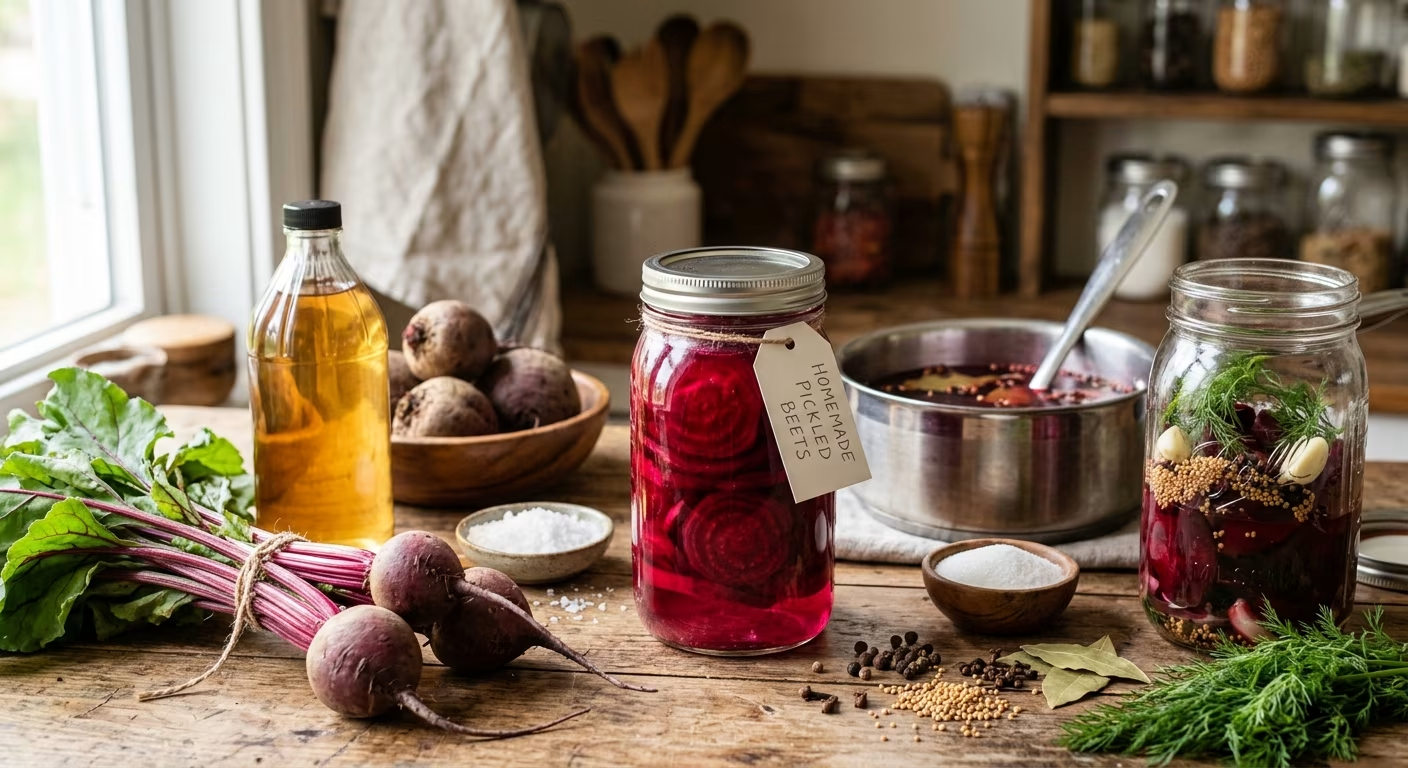
Pack your sliced beets tightly into a clean glass jar with a tight-fitting lid. If you’re adding onions, layer them on top. Pour the hot brine over the beets, making sure they’re fully submerged. Leave about ½ inch of headspace at the top.
Step 5: Cool and Refrigerate
Let the jar sit on the counter until it reaches room temperature, then seal tightly and transfer to the fridge. You can technically eat them after an hour, but I always recommend waiting at least 24 48 hours. The flavors deepen significantly, and after a couple of days, you’ll have pickled beets that taste like they came from a specialty deli.
“The longer you wait, the more intense and well-rounded the flavor becomes. My personal sweet spot is 3 days.”
⏱️ Quick Reference: Recipe at a Glance
| Detail | Info |
|---|---|
| Prep Time | 15 minutes |
| Cook Time | 45 55 minutes (roasting) |
| Ready to Eat | 24 48 hours after refrigerating |
| Shelf Life | Up to 6 weeks in the fridge |
| Yield | 1 quart jar (about 8 servings) |
🌿 Health Benefits of Pickled Beets
I always say that when food tastes this good AND is good for you, it’s a genuine win. Here’s why pickled beets deserve a regular spot in your diet:
Rich in Essential Nutrients
Beets are loaded with vitamins and minerals. One cup of raw beets (about 136g) contains 58 calories, 3.8 grams of fiber, and meaningful amounts of folate, potassium, manganese, iron, and vitamin C. The pickling process doesn’t significantly strip these away you’re still getting real nutrition in every bite.
Supports Heart Health
Beets are naturally rich in dietary nitrates. Your body converts these nitrates into nitric oxide, which helps blood vessels relax and dilate a key mechanism in managing blood pressure. Research has suggested beet products can contribute to healthier blood pressure levels when consumed regularly.
Gut-Friendly Probiotics
Pickled beets made through natural fermentation are rich in beneficial bacteria (probiotics) that support digestion and help your body absorb nutrients more efficiently. Even quick-pickled beets made with vinegar contain compounds that can ease digestive discomfort.
Powerful Antioxidants
Beets contain both flavonoids and betalains two classes of antioxidants that fight free radicals, reduce inflammation, and support your immune system. This is one reason beets have been dubbed a “superfood” by nutrition researchers.
Blood Sugar Balance
The acetic acid in vinegar (the key component of your pickling brine) has been shown to help moderate blood sugar spikes after meals, making pickled beets a smarter choice than many other condiments or sides.
A word of caution: Pickled beets can be high in sodium depending on the brine recipe. If you’re managing blood pressure or watching sodium intake, simply reduce the salt in your brine and taste as you go. Homemade gives you that control a big advantage over canned versions.
💡 My Best Tips for Perfect Pickled Beets (Learned the Hard Way)
- 🧤 Wear gloves. Beet juice stains skin, countertops, and cutting boards. I learned this the hard way during a dinner party prep once my hands were pink for two days.
- 🫙 Use glass jars with tight lids. Mason jars are ideal. Plastic containers can absorb the beet color and retain odors.
- 🌡️ Pour brine while still hot. Hot brine helps the beets absorb flavor more quickly and ensures a good seal if you’re canning.
- 🧅 Add sliced onions. They pickle beautifully alongside the beets and add incredible flavor to salads and sandwiches.
- 🍎 Use apple cider vinegar. Its mild sweetness complements beets better than plain white vinegar. Red wine vinegar is also excellent for a deeper, more complex flavor.
- ⏳ Be patient. One day in the fridge is fine, but 3 days is where the magic really happens.
- 🚫 This is a refrigerator pickle recipe NOT shelf stable. Do not attempt to store at room temperature long-term. If you want shelf-stable canned pickled beets, you need a water-bath canning process with a recipe formulated specifically for that purpose.
🍽️ How to Use Pickled Beets
Once you have a jar in your fridge, the possibilities are surprisingly wide. Here are my favorite ways to use them:
| Use Case | How |
|---|---|
| Salads | Slice thinly and toss with arugula, goat cheese, and walnuts |
| Sandwiches & Burgers | Use in place of tomatoes for a tangy, earthy twist |
| Charcuterie Boards | Add as a bold, colorful component |
| Grain Bowls | Top quinoa or farro bowls for a tangy punch |
| Direct Snack | Eat straight from the jar my personal favorite |
| With Eggs | Layer with hard-boiled eggs for a classic pairing |
🧪 Brine Variations to Try
Once you’ve mastered the basic recipe, don’t stop there. Here are a few variations I’ve experimented with over the years:
- Spiced Holiday Beets: Add a cinnamon stick and 3 4 cloves to the brine for a warm, festive flavor.
- Mustard & Pepper Beets: Add 1 tsp whole mustard seeds and extra cracked black pepper to the brine for a sharp, peppery kick.
- Honey-Pickled Beets: Swap half the granulated sugar for raw honey. The result is a more complex, floral sweetness.
- Red Wine Vinegar Beets: Use red wine vinegar instead of apple cider vinegar for a richer, deeper flavor profile great on cheese boards.
- Golden Beet Variation: Use yellow or golden beets for a milder, less earthy flavor. They look stunning in salads.
🙋 Frequently Asked Questions
How long do homemade pickled beets last?
Stored properly in a sealed glass jar in the refrigerator, homemade pickled beets last up to 6 weeks. Always use a clean utensil to remove beets from the jar to avoid introducing bacteria.
Can I use canned beets instead of fresh?
Yes, you can use pre-cooked canned beets as a shortcut just drain them, skip the cooking step, and pour the brine directly over them. The texture won’t be quite as firm as freshly roasted beets, but it works well in a pinch.
Do I need to sterilize my jars?
For this refrigerator pickle recipe, you don’t need to sterilize jars through a canning process just make sure they’re thoroughly washed and clean. If you’re making shelf-stable canned pickled beets, proper sterilization and a water-bath canning process are absolutely necessary.
Why did my brine turn cloudy?
A slightly cloudy brine is normal for homemade pickles it’s usually caused by natural starches or fermentation activity. As long as your beets smell tangy and fresh (not off or sulfurous), they’re fine to eat.
Can I reduce the sugar?
You can reduce it slightly, but be careful. Sugar balances the vinegar’s sharp acidity. Cut back too much and the beets will taste harsh and overly vinegary. I recommend reducing by no more than 1 2 tablespoons at a time and tasting as you go.
✅ Final Thoughts
Making pickled beets at home is one of those kitchen projects that seems intimidating until you actually do it and then you wonder why you ever bought them from a store. The process is simple, the results are spectacular, and a jar of homemade pickled beets in the fridge feels like having a secret weapon for healthy, flavorful eating.
Start with the basic recipe. Get comfortable with it. Then explore the variations. Once you taste the difference, you’ll be making batch after batch just like my grandmother used to.
Happy pickling! 🫙
References
- Beets Seasonal Produce Guide. USDA SNAP-Ed Connection. U.S. Department of Agriculture. (Accessed June 2026).
- Health Benefits of Pickled Beets. WebMD. Medically Reviewed by Kathleen M. Zelman, RD. Updated May 2026.
- Are Pickled Beets Good for You? Healthline. May 2020.
- Beet Nutrition Facts (PDF). National Agriculture in the Classroom / USDA. (Accessed June 2026).
- Pickled Beets Recipe: How to Make It. Taste of Home. Updated May 2024.