
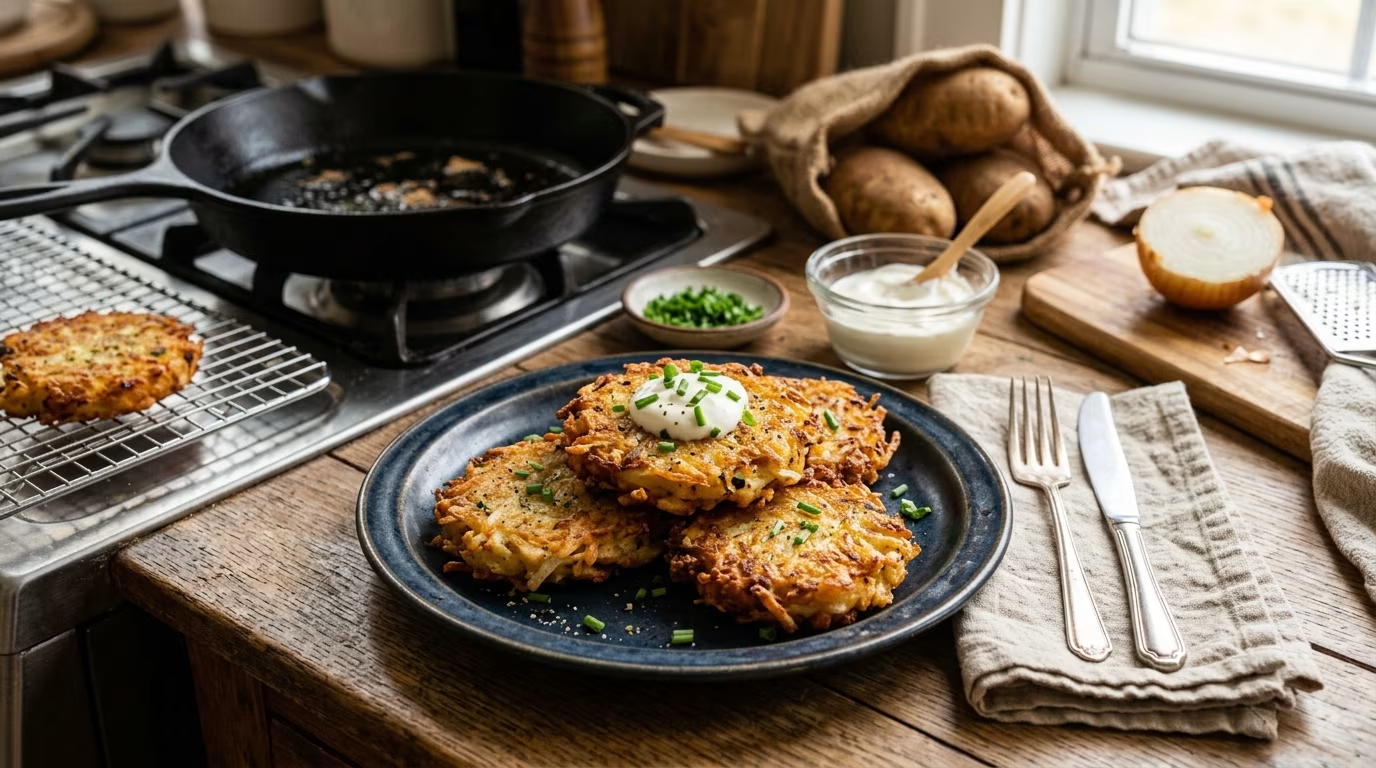
Turn your leftover mashed potatoes into a crispy, golden comfort food the whole family will love in under 25 minutes.
I still remember standing in my grandmother’s kitchen, watching her scoop cold mashed potatoes into a hot, sizzling skillet. No recipe card. No fancy equipment. Just her hands, a bowl of leftover potatoes, and a cast-iron pan. Those crispy, golden potato cakes she made were honestly one of the best things I ever ate and I’ve been chasing that memory in my own cooking ever since.
After years of cooking professionally and at home, I can tell you: old-fashioned potato cakes are one of the most satisfying, budget-friendly, and flexible dishes you can make. Whether you have holiday leftovers piling up or just made a little too much mash at Sunday dinner, this recipe is your answer.
In this guide, I’ll walk you through everything ingredients, step-by-step instructions, pro tips, variations, storage advice, and even the nutritional angle. Let’s make some potato cakes.
What Are Old-Fashioned Potato Cakes?
Potato cakes also called potato pancakes, fried potato patties, or mashed potato patties are one of those wonderfully humble dishes that have fed families for generations. Crispy on the outside, soft and fluffy on the inside, they transform something as simple as leftover mashed potatoes into a completely new meal.
The classic Allrecipes version that inspired this guide (Old-Fashioned Potato Cakes) is a straightforward, 7-ingredient recipe: mashed potatoes, diced onion, egg, flour, oil, salt, and pepper. It’s vegetarian, takes about 20 minutes, and serves 4. That’s it. No fuss.
Historically, potato cakes trace their roots to Irish and British home cooking simple, comforting food made with pantry staples. They’re what my grandmother would call “honest food” nothing pretentious, just good taste and zero waste.
Ingredients You Need
The beauty of potato cakes is their simplicity. Here’s exactly what the classic recipe calls for:
| Ingredient | Amount | Notes |
|---|---|---|
| Mashed potatoes | 2 cups | Cold leftovers work best |
| Onion | 1 medium, diced | Or green onions for milder flavor |
| Egg | 1 large | Acts as a binder |
| All-purpose flour | ½ to 1 cup | Adjust based on moisture level |
| Vegetable oil | ½ cup | Or butter for richer flavor |
| Salt | ½ tsp | Taste first if mash is pre-seasoned |
| Black pepper | ½ tsp | Freshly ground preferred |
My honest tip: Not all mashed potatoes are equal. Some are richer and creamier; some are more watery. The flour amount will vary depending on how thick or runny your mash is. Don’t worry I’ll cover that in the tips section.
Step-by-Step Instructions
- Mix your batter: In a large bowl, combine cold mashed potatoes, diced onion, beaten egg, flour, salt, and pepper. Mix until well combined. The mixture should hold a shape when scooped not too wet, not too stiff.
- Heat your oil: Add vegetable oil to a large skillet over medium heat. You want the oil to be around 350°F (177°C) before adding the potato mixture. If the oil isn’t hot enough, the cakes will absorb it and turn greasy instead of crisping up.
- Form the cakes: Scoop about ¼ cup of the mixture per cake. You can shape them by hand if the batter is firm enough, or simply drop them into the skillet and flatten gently with a spoon.
- Fry until golden: Cook 3 4 minutes per side over medium heat. Do not peek or flip too early. You’ll know they’re ready when a golden-brown crust forms around the edges.
- Drain and serve: Remove from the skillet and place on a wire rack (not a stacked plate) so the bottoms stay crispy. Serve immediately with sour cream, ketchup, or your favorite dipping sauce.
Total time: approximately 20 25 minutes. Serves 4.
Pro Tips for Perfect Potato Cakes (From My Kitchen to Yours)
Over the years, I’ve made potato cakes hundreds of times and I’ve made plenty of mistakes too. Here’s what actually works:
- 🥶 Always use cold mashed potatoes. Warm mashed potatoes are softer and harder to shape. Cold leftovers from the fridge hold their form and fry up much better. This one tip alone can save your batch.
- 🔥 Heat the oil first, always. If the oil isn’t hot enough when you add the potato mixture, your cakes will stick to the pan and soak up oil instead of frying into crisp, golden patties. A drop of batter should sizzle immediately.
- 🥄 Adjust flour based on your mash. Start with ½ cup flour and add more only as needed. Thick mashed potatoes may not need much extra flour, while softer, creamier mash may need closer to 1 cup.
- 📐 Keep them small and thin. Making smaller cakes that aren’t too thick allows you to get that nice crunchy crisp outside layer with a creamy center in each bite. About ¼ cup per cake is ideal.
- 🙅 Only flip once. Flip only once to prevent the cake from falling apart, and to allow a proper golden-brown crust to form. Patience is your best kitchen tool here.
- 🧺 Drain on a wire rack. For the crispiest edges, place cooked potato cakes on a wire rack instead of stacking them on a plate. This keeps steam from softening the bottoms.
- 🧀 Don’t skip seasoning. If you find them bland, add garlic powder, onion powder, fresh herbs, or even a pinch of cayenne. Cheese cheddar or parmesan is also a game-changer.
Tasty Variations to Try
One of the things I love most about potato cakes is how endlessly customizable they are. Here are some of my favorite twists:
| Variation | What to Add | Best Served With |
|---|---|---|
| Cheesy Classic | ½ cup shredded cheddar or parmesan | Sour cream + green onions |
| Herb Garden | Fresh thyme, parsley, rosemary | Greek yogurt dip |
| Loaded Potato Cakes | Bacon bits, cheddar, chives | Sour cream + hot sauce |
| Pizza Style | Diced pepperoni + mozzarella | Marinara dipping sauce |
| Veggie Packed | Chopped spinach, shredded carrot | Avocado crema |
| Curry Spiced | Sautéed onion + 1 tbsp curry powder | Mango chutney |
My personal favorite? Loaded potato cakes with cheddar, bacon bits, and a giant dollop of sour cream. It’s indulgent, yes but sometimes that’s exactly what you need.
Nutrition Facts: What You’re Actually Eating
Let’s be real potato cakes are comfort food. But they’re not empty calories either. Here’s a quick breakdown of what you get in a typical serving:
| Nutrient | Per Cake (approx.) |
|---|---|
| Calories | 120 150 kcal |
| Carbohydrates | ~14 19g |
| Protein | ~3 7g |
| Fat | ~4 18g (varies with oil used) |
| Potassium | Good source |
| Vitamin C | Small amounts |
Potatoes are naturally rich in key micronutrients. According to peer-reviewed research published in the Nutrients journal (NCBI), potatoes are an important source of vitamin C, vitamin B6, potassium, folate, and iron, and contribute a significant amount of fibre to the diet. The cooking method matters too frying can actually increase the resistant starch content.
Potato cakes also support heart health through their potassium content, which helps regulate blood pressure, and they provide a slow-release energy source from complex carbohydrates. If you’re watching calories, using minimal oil or baking the cakes instead of frying keeps things lighter Mayo Clinic Press notes that well-prepared potato cakes can come in at under 100 calories per cake.
Note: Nutritional values vary significantly based on mashed potato preparation, amount of oil used, and added ingredients like cheese or bacon.
Storage & Reheating: Don’t Let Them Go to Waste
You’ve made a beautiful batch of potato cakes. Here’s how to keep them tasting great:
- Refrigerator: Store cooked potato cakes in an airtight container in the fridge for up to 3 5 days. Let them cool completely before storing so they don’t go soggy.
- Freezer: Yes, you can freeze them! Place on a baking sheet to freeze individually first, then transfer to a freezer bag. Keeps well for up to 1 month.
- Reheating: The best way to reheat potato cakes is in an air fryer or back in a hot skillet. This revives the crispy exterior beautifully. Avoid the microwave if you can it tends to make them soft and rubbery.
- Uncooked mix: You can also refrigerate the uncooked batter for up to 24 hours. In fact, chilling the batter before frying helps them hold their shape better.
A Note on Food Waste Why This Recipe Matters More Than You Think
Here’s something that doesn’t get talked about enough in recipe articles: potato cakes are an act of sustainability.
The U.S. EPA estimates that in 2019, about 96 percent of households’ wasted food ended up in landfills, combustion facilities, or down the drain and the average family of four spends almost $3,000 per year on food that doesn’t get eaten. Mashed potatoes are one of the most commonly over-made dishes, especially around the holidays.
Making potato cakes from leftovers is one of the simplest, most delicious ways to fight that waste. As the potato advocacy site Potato Goodness puts it, forming leftover mash into patties and pan-frying them for potato cakes gives those leftovers a delicious second life. It saves money, reduces waste, and honestly produces a better dish than simply reheating the original mash.
So the next time you have leftover mashed potatoes in the fridge, resist the urge to throw them out. Make potato cakes instead.
Frequently Asked Questions
Why are my potato cakes falling apart?
This usually happens for one of two reasons: not enough binder (egg + flour) or flipping them too early. Make sure you’re using cold mashed potatoes, enough flour to hold the mixture together, and that you only flip once when a brown crust has clearly formed on the edges.
Can I bake potato cakes instead of frying them?
Yes! Bake at 400°F on a greased baking sheet for about 20 25 minutes, flipping halfway. They won’t be quite as crispy as pan-fried, but they’ll be lighter in calories and still delicious.
Can I use instant mashed potatoes?
Absolutely. If you don’t have leftover mashed potatoes, instant potatoes work fine. Just prepare them as directed on the package, let them cool completely, then use them in this recipe.
What’s the difference between potato cakes and latkes?
Great question! Latkes are a traditional dish made primarily with shredded raw potato, which makes them less uniform in texture. Potato cakes use mashed (cooked) potatoes, giving them a fluffier center and different overall texture. Both are delicious just different.
What can I serve with potato cakes?
They’re incredibly versatile. Serve them for breakfast alongside eggs, as a side dish at dinner, or as a snack with dipping sauces. Sour cream and green onions, tomato ketchup, leftover gravy, or avocado crema all work beautifully.
Final Thoughts
Old-fashioned potato cakes are one of those recipes that remind you cooking doesn’t need to be complicated to be incredible. They’re everything I love about home cooking: humble ingredients, a bit of technique, and a result that brings people to the table happy.
Whether you’re using up Thanksgiving leftovers, feeding a hungry family on a budget, or just craving something crispy and comforting, this recipe delivers every single time. Trust the process, use cold mashed potatoes, heat your oil properly, and flip only once and you’ll have golden, perfect potato cakes that taste like they came straight out of grandma’s kitchen.
Now stop reading and go make them. Your skillet is waiting.
References
- Starchy Carbohydrates in a Healthy Diet: The Role of the Humble Potato Nutrients, National Center for Biotechnology Information (NCBI/NIH), Published November 2018. Peer-reviewed research on potato nutrition and health impacts.
- Potato Cakes Mayo Clinic Press Health Letter, Jennifer A. Welper, Wellness Executive Chef, Mayo Clinic. Official health guidance on lower-calorie potato cake preparation.
- Preventing Wasted Food At Home United States Environmental Protection Agency (EPA). Official government data on household food waste statistics in the U.S.
- How to Reduce Food Waste with Potatoes Potato Goodness (U.S. Potato Board), Updated May 2024. Industry guidance on repurposing leftover mashed potatoes sustainably.
- Old-Fashioned Potato Cakes (Original Recipe Reference) Allrecipes.com. The foundational recipe this article is based on: 7 ingredients, vegetarian, serves 4, 20 minutes.