
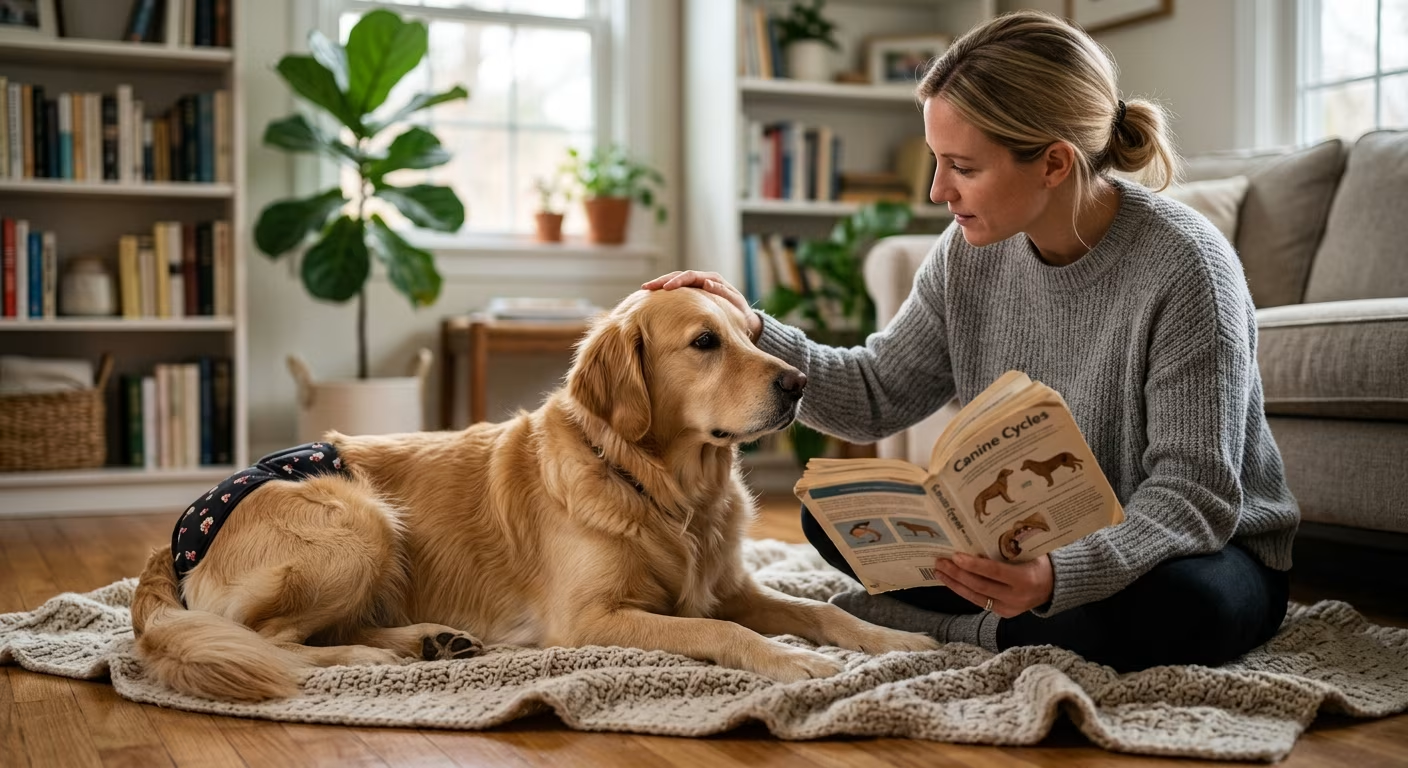
I still remember the morning I walked into the kitchen and found blood spots on the floor. My Golden Retriever, Bella, was about 8 months old. I panicked then I realized: she was in heat for the first time. That moment sent me down a rabbit hole of research, vet calls, and a lot of learning. Years later, having worked with dogs through multiple heat cycles, I want to share everything I wish I had known from day one.
If you’re a first-time dog owner, or even a seasoned one, understanding your dog’s heat cycle is one of the most important things you can do. Not just for her reproductive health but for her comfort, safety, and your own peace of mind.
So let’s break it all down, simply and honestly.
🐾 What Does “In Heat” Actually Mean?
Being “in heat” refers to the stage in a female dog’s reproductive cycle when she is fertile and capable of becoming pregnant. Technically, it’s part of what vets call the estrous cycle the full reproductive cycle that all unspayed female dogs go through.
When a female dog is in heat (known as estrus), it’s a normal part of their regular cycle of fertility when they are not spayed. It is not an illness. It is not something to fear. But it does require attention and care.
📅 How Long Are Dogs Actually in Heat?
This is the number-one question I get. And the honest answer? It depends. But here are the averages:
- A dog will be in heat for an average of 2 to 3 weeks.
- Most female dogs are in heat for 12 to 20 days, during which hormonal shifts prompt ovulation and behavioral changes that attract male dogs.
But that’s just the “active” heat phase. The full estrous cycle including rest and recovery spans several months. Let me walk you through each stage.
🔄 The 4 Stages of the Dog Heat Cycle (Estrous Cycle)
The estrous cycle consists of four distinct stages. What most people refer to as “coming into heat” or “coming into season” refers to the stages called proestrus and estrus.
Here’s a clear breakdown:
| Stage | Duration | Key Signs | Breeding? |
|---|---|---|---|
| Proestrus | 7 10 days | Vulva swelling, bloody discharge, attracts males | ❌ Not receptive |
| Estrus | 5 10 days | Lighter discharge, tail flagging, receptive to mating | ✅ Fertile window |
| Diestrus | ~60 days | Discharge stops, body recovers (or pregnancy) | ❌ No longer fertile |
| Anestrus | 4 6 months | No visible signs, body resting and resetting | ❌ Resting phase |
Table: Overview of the 4 stages of the canine estrous cycle
Stage 1: Proestrus The Beginning
Proestrus lasts between 7 and 10 days. During this time, the vulva begins to swell and your dog begins to bleed. She will start attracting male dogs, but she isn’t ready to mate yet.
Estrogen is a hormone produced by the ovaries during proestrus and peaks one to two days before the next stage (estrus). The estrogen produced in this stage causes bloody vaginal discharge and swelling of the vulva.
In my experience, this is when most owners first realize something is happening. The discharge can be surprising. Stay calm it’s completely normal. I used to put down washable dog mats in Bella’s favorite resting spots during this time.
Stage 2: Estrus The Fertile Window
This is what most people mean when they say a dog is “in heat.”
Estrus is also known as “standing heat.” A dog’s vaginal discharge will become lighter in color, and she may lift her tail or hold it off to the side to “flag” that she’s open to a male’s advances. The estrus stage lasts between 7 and 10 days. The average female dog releases her eggs around the second day of this stage.
“The fertile portion of the cycle occurs from a couple of days before ovulation to 5 days after.”
Important: A female dog can get pregnant at any point while she is in estrus, as sperm can survive for a week in the reproductive tract and still fertilize the eggs. So never assume a single day is “safe.”
Stage 3: Diestrus Wind-Down Phase
During the diestrus phase, your dog is no longer fertile, and their vulvar swelling and discharge should stop, even though progesterone (the pregnancy-supporting hormone) continues to rise during this stage.
This rise in hormones is what causes some dogs to show signs of false pregnancies, such as nesting behaviors and swollen, sometimes lactating mammary glands.
False pregnancy was something Bella experienced once it was startling. She started carrying her toys around like puppies. It resolved on its own within a few weeks, but I always recommend checking in with your vet if it seems severe.
Stage 4: Anestrus The Rest Phase
During the long anestrus stage, reproduction hormone levels are low, and the body rests and repairs in readiness for the cycle to begin again.
Anestrus typically lasts around four months but in some cases, it can stretch out to a whole year or so. Think of it as your dog’s body quietly recharging not much to see on the outside, but important recovery is happening internally.
📌 When Do Dogs First Go Into Heat?
A dog’s first heat can start between the age of 6 24 months, with smaller breeds averaging earlier than larger breeds.
- “For toy breed dogs, it might be as early as 4 or 5 months.”
- “For the big sighthounds, like the [Scottish] Deerhound or [Irish] Wolfhound, or a Great Dane, it might not be until they are 2.”
Size is the single biggest factor. My neighbor’s Chihuahua went into her first heat at 5 months they were completely caught off guard. Meanwhile, my friend’s Irish Wolfhound was nearly 22 months before hers arrived. Don’t compare your dog to a neighbor’s dog of a different breed.
Also worth knowing: when young dogs first begin to cycle, it is normal for their cycles to be somewhat irregular. It can take up to two years for a female dog to develop regular cycles.
🔁 How Often Do Dogs Go Into Heat?
Most dogs will have two heats per year or an average of every 5 11 months.
But here’s where breed matters again:
- Small-breed dogs may cycle three times per year, while giant-breed dogs may only cycle once per year.
- Some breed exceptions occur, such as the Basenji and Tibetan Mastiff, which typically only cycle once yearly.
Pro tip from experience: Keep a simple calendar or notes app log of when your dog’s heat starts and ends each cycle. This makes it so much easier to predict the next one and helps your vet enormously if there are any concerns.
🚨 Signs Your Dog Is in Heat What to Watch For
Common behaviors for dogs in heat are restlessness, increased aggression or becoming more affectionate, increased urination, and licking their vulva. Physical changes can also include a swollen vulva, swollen nipples, and bloody vaginal discharge.
Here’s a more detailed checklist:
- ✅ Swollen vulva
- ✅ Bloody or pinkish vaginal discharge
- ✅ Frequent urination / marking behavior
- ✅ Restlessness or clinginess
- ✅ Increased interest from male dogs
- ✅ Tail flagging (holding tail to the side)
- ✅ Changes in appetite
- ✅ Excessive licking of the genital area
Not every dog shows all of these. Dogs can go through a “silent heat,” where physical symptoms are mild or bleeding is barely noticeable. This is especially common in smaller dogs another reason to watch behavior, not just physical signs.
👩⚕️ Caring for Your Dog During Heat Practical Tips
I’ve helped manage dogs through many heat cycles, and the key is preparation, not panic. Here’s what works:
1. Keep Her Away From Intact Males
This sounds obvious, but it’s not always easy. The urine of a female dog in heat contains pheromones and hormones that signal her reproductive state to other dogs and can attract male dogs. Male dogs have been known to jump fences, dig under gates, or travel significant distances when they detect a female in heat. Never leave her unattended outdoors.
2. Use Dog Diapers or Absorbent Pads
Doggie diapers are genuinely helpful for managing discharge and keeping your home clean. They’re widely available at pet stores. Just change them regularly and check her skin to prevent irritation.
3. Maintain Exercise But Keep It Leashed
Even though you’re keeping her indoors, she’ll still need her regular exercise. Try to engage her in indoor activities that can keep her active and distracted. When you do go outside, use a leash at all times even in a fenced yard if you’re not 100% sure it’s secure.
4. Provide Extra Comfort
Maintaining a routine, providing comfort when your dog is looking for it, and respecting their space if they are more withdrawn can help to manage any behavioral anxieties they develop due to the hormone changes.
5. Monitor for Health Issues
A heat cycle should not look like an emergency. But watch for:
- Discharge that smells foul or is green/yellow (could signal infection)
- Lethargy, loss of appetite, excessive thirst
- A heat that seems to last unusually long
Female dogs over 8 years of age are also more at risk of developing pyometra, a life-threatening uterine infection. If you notice anything off, call your vet immediately. Don’t wait.
🐕 Do Senior Dogs Still Go Into Heat?
Yes and many owners are surprised to learn this.
Dogs do not go through menopause. Because their reproductive cycles are different than that of humans, dogs can continue to go into heat and subsequently become pregnant throughout their lives, even into their senior years.
Dogs don’t experience menopause like human females, meaning they continue to have heat cycles and the ability to get pregnant into their senior years. They don’t necessarily have longer gaps between cycles either, although dogs become less fertile, and their heat can become silent. “This means they don’t have vulvar swelling or bloody discharge, but they do still cycle and ovulate.”
However, breeding senior dogs carries real risks. Litters from senior mamas tend to be smaller, there may be more puppy deaths, and labor may be more difficult if carried to term.
✂️ Should You Spay Your Dog?
This is a personal decision but one that should always be made with your vet’s guidance. From a health standpoint:
Spaying not only stops the heat cycle, but also significantly reduces the risk of mammary tumors, uterine infections, and other health concerns.
Some larger dog breeds may benefit medically from delaying their spay surgery until after their first estrus cycle (e.g., Labrador Retrievers, Golden Retrievers, and German Shepherds); however, the consensus is that spaying will generally increase the lifespan of a dog, regardless of timing.
If you’re unsure about timing, ask your vet. The answer genuinely does vary by breed, size, and individual health history.
❓ Frequently Asked Questions
How do I know when the heat cycle is over?
The cycle is over when the vulva is no longer swollen, all discharge has stopped, and she no longer shows interest in males.
Can my dog get pregnant her first heat?
Technically yes. Even though dogs can become pregnant during this timeframe, it’s generally not advisable, as they are still not fully mature. Most vets recommend waiting until at least the second or third heat before considering breeding.
How long does bleeding last?
Your dog will only bleed for around half of the total cycle, usually 7 to 10 days. Generally, bigger dogs bleed more than smaller dogs, but it varies between dogs. Some dogs bleed very little.
Is my dog in pain during heat?
Even though your dog will bleed, she isn’t in pain during heat. However, being in heat can make your dog uncomfortable and fidgety.
What if her cycle seems irregular?
Dogs that have stopped having cycles altogether should be examined by a veterinarian, as this can signal an underlying health condition or metabolic disease process.
📋 Quick Reference Summary
| Topic | Key Facts |
|---|---|
| Total heat duration | 2 3 weeks (12 20 days) |
| First heat age | 6 months (small breeds) 24 months (large/giant breeds) |
| Frequency | Approx. every 6 months (varies by breed) |
| Bleeding duration | 7 10 days (proestrus stage) |
| Fertile window | Estrus stage: 5 10 days |
| Do dogs go through menopause? | No cycles continue throughout life |
Final Thoughts
Understanding your dog’s heat cycle doesn’t have to be overwhelming. Once you know what to expect the stages, the signs, the timing it becomes something you can manage confidently. Your dog is counting on you to keep her safe, comfortable, and healthy during this time.
Keep a cycle log. Use diapers if needed. Supervise outdoors. And never hesitate to call your vet if something feels off. That’s not overreacting that’s good ownership.
If you found this guide helpful, share it with a fellow dog owner who might need it. And always remember: when in doubt, your veterinarian is your best resource.
References
- Dog Estrous Cycles Cornell University College of Veterinary Medicine, Riney Canine Health Center. (Accessed June 2026)
- Estrous Cycles in Dogs VCA Animal Hospitals. (Accessed June 2026)
- How Long Are Dogs in Heat? What to Know About Heat Cycles American Kennel Club (AKC). Updated March 3, 2025.
- Dogs In Heat: Timeline, Duration, and Symptoms PetMD. (Updated 2024)
- Puppy’s First Heat Cycle: What to Expect Banfield Pet Hospital. Updated May 2026.