
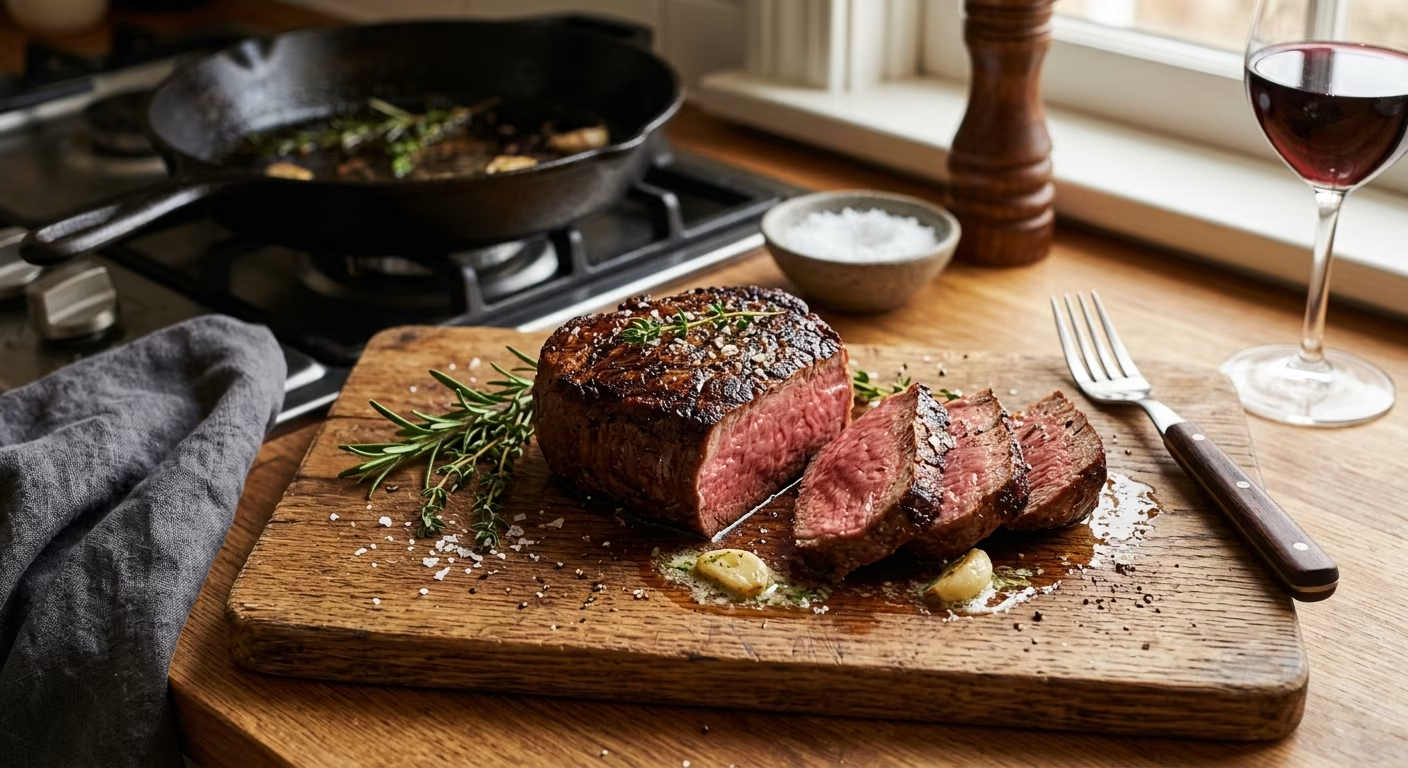
I still remember the first time I cooked filet mignon at home. I was nervous this is not a cheap cut of beef, and the last thing I wanted was to ruin it. But after years of cooking steaks for dinner parties, special occasions, and yes, plenty of ordinary Tuesday nights, I can tell you: cooking a perfect filet mignon at home is completely doable. You just need to know the right method and respect the process.
In this guide, I’ll walk you through everything what filet mignon actually is, how to buy it, the best cooking method, internal temperatures, and the common mistakes that trip people up. Let’s get into it.
What Is Filet Mignon?
Filet mignon, French for “dainty fillet,” comes from the beef tenderloin a long, lean muscle that runs along the cow’s spine. Because this muscle does very little work, it’s exceptionally tender, making it one of the most prized and expensive cuts of meat.
Beef tenderloin is the whole roast. Filet mignon refers specifically to steaks cut from the center portion of the tenderloin (chateaubriand). The thinner tapered end pieces are often sold as tenderloin tips and are perfect for stir-fry, beef stew, or stroganoff.
Filet mignon is the smaller part of the tenderloin, which makes it an extra tender piece of meat which is why you’ll find them to cost around $30 to $45 per pound. That price tag means you really want to get this right.
How to Pick the Best Filet Mignon at the Store
Not all filets are created equal. Here’s what I look for every single time I’m at the butcher counter:
- Deep red color When purchasing filet mignon steaks from the butcher, keep your eyes peeled for a deep red color that’s free of any silver skin (connective tissue).
- Uniform thickness Look for a uniform thickness, ideally 2-inch-thick steaks, which allows for even cooking and a beautiful sear on the exterior without overcooking the interior.
- Some marbling Opt for a well-marbled piece if possible, though filet mignon is leaner than other cuts like ribeye or sirloin steak. The slight marbling will add to the flavor and juiciness.
Pro tip: Some grocery stores label it as “beef tenderloin steaks” that is exactly the same thing.
What You’ll Need
The beauty of filet mignon is its simplicity. You don’t need a long list of fancy ingredients. Here’s what I always use:
- 2 filet mignon steaks (6 8 oz each, about 1.5 2 inches thick)
- Kosher salt & freshly cracked black pepper
- 1 2 tablespoons of high-smoke-point oil (avocado or vegetable oil)
- 2 tablespoons of butter
- 2 3 garlic cloves (smashed)
- Fresh rosemary or thyme sprigs
- A cast iron skillet (oven-safe)
- A reliable meat thermometer
A thin skillet or non-stick pan just can’t hold high heat the way cast iron or heavy stainless steel can. For the best sear, use a heavy-bottomed oven-safe skillet (cast iron is ideal) and give it time to preheat until it’s very hot before the steaks ever hit the pan.
The Best Method: Pan-Sear Then Finish in the Oven
After trying multiple methods over the years grill, broil, stovetop only the pan-sear to oven finish is consistently my favorite. It gives you a gorgeous dark crust on the outside and a perfectly even cook all the way through.
Step 1: Bring Steaks to Room Temperature
Don’t forget to remove your filet mignons from the fridge 30 60 minutes before you want to cook them. This is crucial to yield a juicy fillet that’s not tough. Just unwrap, place them on a plate and season. Then just leave them on the counter for 30 60 minutes until you’re ready to start.
Step 2: Dry the Steaks Well
Moisture is the enemy of a good sear. If the surface of the meat is wet, it will steam instead of brown. Pat the filet mignon very dry with paper towels on all sides before you season and sear. This simple step makes a huge difference in getting that deep, flavorful crust.
Step 3: Season Just Before Cooking
Make sure to season the steaks right before placing them into the hot skillet. Salt draws out moisture from food, so if you salt too early, the exterior of the steak will be wet and it will hinder the beautiful sear. Season generously on all sides with kosher salt and black pepper.
Step 4: Preheat Your Pan Until Very Hot
To achieve a beautiful sear, let the pan heat up for about 5 8 minutes until it’s very hot. A truly hot pan is non-negotiable for that perfect crust. Add your oil and swirl to coat. When the oil shimmers and just begins to smoke, you’re ready.
Step 5: Sear the Steaks
Place the seasoned filet mignon steak into the hot skillet. You should hear a sizzle immediately. If you don’t hear it, remove the steak and continue heating the pan.
Sear for 2 3 minutes per side without moving the steak. This initial quick sear is vital for developing that rich, caramelized crust.
If a steak sticks to the skillet, it’s not ready to turn. Wait until it releases on its own. This is one of my most-used tips trust the steak, not the clock.
Step 6: Baste with Butter & Finish in the Oven
After searing both sides, add your butter, crushed garlic, and rosemary to the pan. Tilt the pan and spoon that foamy, herb-infused butter over the steaks for 30 60 seconds this basting step is what takes it from good to great.
Transfer the skillet directly into a preheated oven at 350°F. This mid-temperature allows for a higher level of control; in other words, the meat won’t overcook as easily.
Step 7: Monitor Internal Temperature
Filet mignon is too expensive to leave to guesswork. Oven times can vary, and steak thickness isn’t always perfect. Use a meat thermometer it’s the single most important tool you can own for steak.
I highly recommend working with a meat thermometer, preferably one where you can stick the probe into your meat and connect to the thermometer through an oven-safe wire. You leave the thermometer in your fillet and close the oven door, then you can pull it at exactly the right time. I recommend inserting the thermometer through the side, not the top.
Step 8: Rest Before Serving
Resting allows the juices, which have migrated to the center during cooking, to redistribute throughout the meat, resulting in a juicier, more tender steak. Skipping this step is a common mistake and can lead to a dry steak. Rest for at least 5 10 minutes, loosely tented with foil.
Filet Mignon Doneness Temperature Chart
This is the chart I reference every single time. The difference between doneness levels is only a few degrees, which is why checking the internal temperature is crucial for a perfectly cooked filet mignon.
| Doneness | Pull Temp (°F) | Final Temp (°F) | Color & Texture |
|---|---|---|---|
| Rare | 115 118°F | 120 125°F | Cool, very red center; buttery soft |
| Medium-Rare ⭐ | 125 128°F | 130 135°F | Warm red center; melt-in-your-mouth tender |
| Medium | 135 138°F | 140 145°F | Warm pink center; still juicy |
| Medium-Well | 148 150°F | 150 155°F | Slight pink; firmer texture |
| Well Done | 155°F+ | 160°F+ | No pink; fully cooked through |
⭐ Medium-rare is the gold standard. Medium-rare (130 135°F) gives you a warm, red center with a slightly more cooked outer layer literally melt-in-your-mouth tender. This is the best balance of tenderness and flavor.
Important food safety note: It’s not just about personal taste there’s also food safety to consider. The USDA recommends a minimum steak internal temp of 145°F for safe consumption, which lands right in the medium steak temp range. If you prefer medium-rare, that is a personal preference just be informed.
Also account for carryover cooking the continued rise in internal temperature after removal from heat typically 3 5°F for a 1.5-inch-thick filet cooked via pan-sear or oven roast. This is why I always pull my steaks a few degrees before the target.
Alternative Cooking Methods
🔥 Grilling Filet Mignon
Grilling works beautifully on warmer evenings. Rub the seasoning into the meat and let it sit at room temperature for 30 minutes to an hour before grilling. Preheat your grill to high heat for at least 10 minutes before grilling the steak. Place the steak on the grill and cook for 4 5 minutes on one side, then flip and cook for another 4 5 minutes on the other side.
Once achieving your desired internal temperature, remove it from the grill and let the steak rest for 5 10 minutes. This lets the juices redistribute, resulting in a more tender and flavorful steak.
🔄 Reverse Sear Method
This method is brilliant for thick cuts (2 inches+). The reverse sear method ensures the most even cooking and is ideal for thicker cuts. Heat oven to 275°F and season the tenderloin steak with salt and pepper. Cover a baking sheet with foil and place a metal rack in the middle the idea is to elevate the steak from the pan. Cook in the oven until about 10°F below your target, then sear it fast in a screaming-hot skillet for 60 90 seconds per side.
Common Mistakes to Avoid
I’ve made all of these at some point so you don’t have to:
- ❌ Skipping the rest time Always rest your steak. Allow your cooked filet mignon to rest for at least 10 15 minutes before slicing. This helps the juices redistribute.
- ❌ Not drying the steak A wet surface = steam, not sear. Pat it dry every time.
- ❌ Using a non-stick pan Don’t use a non-stick skillet because you won’t be able to get the dark, crusty sear on your steaks that makes it so amazing.
- ❌ Moving the steak around Leave it alone! Let it develop its crust undisturbed.
- ❌ Skipping the thermometer Filet mignon is very lean, which means that if overcooked, it can dry out quickly and become tough and chewy. The thermometer is your insurance policy.
What to Serve With Filet Mignon
Keep the sides classic. The steak should be the hero of the plate:
- Potatoes There is no pairing more classic than steak and potatoes a match made in heaven. Roasted fingerling potatoes, creamy mashed, or a simple baked potato all work perfectly.
- Vegetables Roasted asparagus, sautéed mushrooms, or wilted spinach with garlic are my go-to choices.
- Compound Butter Mix softened butter with fresh herbs, garlic, and a pinch of sea salt. Butter adds more fat and flavor to this otherwise lean steak. Oil has a higher smoke point, but butter will only brown slightly, giving your steaks an added nutty flavor.
Storing & Reheating Leftovers
Raw filet mignon steaks will keep for 3 to 5 days in the fridge, but it’s always best to cook them while they’re still super fresh.
For cooked leftovers, leftovers will keep in the fridge for 4 to 5 days. Make sure to let the sliced meat cool, then place it in a freezer-safe bag with the air squeezed out it’ll last for up to three months in the freezer.
Reheated filet mignon loses its texture quickly, so if you can, reheat it low and slow in a 250°F oven until just warmed through don’t microwave it if you can help it.
Quick Reference Summary
| Step | What to Do | Why It Matters |
|---|---|---|
| Room Temp | Rest 30 60 min out of fridge | Even cooking throughout |
| Dry the Steak | Pat dry with paper towels | Ensures deep, brown sear |
| Hot Pan | Heat cast iron 5 8 min | Caramelized crust (Maillard reaction) |
| Sear | 2 3 min per side, no touching | Locks in flavor |
| Oven Finish | 350°F, monitor temp | Even doneness, no burning |
| Rest | 5 10 min under foil tent | Juicy, not dry steak |
Final Thoughts
Cooking filet mignon at home used to feel intimidating to me. Now it’s one of my favorite things to make because nothing beats the look on someone’s face when they cut into a perfectly cooked steak that you made yourself.
The method is simple: bring it to room temperature, dry it well, get your pan screaming hot, sear it hard, baste it with butter and herbs, finish it in the oven, use your thermometer, and let it rest. Do those things and you will have a better steak than most restaurants serve.
Trust the process, trust your thermometer, and enjoy every single bite.
References
- Safe Minimum Internal Temperature Chart USDA Food Safety and Inspection Service (FSIS). Updated 2024.
- Cook to a Safe Minimum Internal Temperature FoodSafety.gov (U.S. Department of Health & Human Services). Updated November 2024.
- How to Cook Filet Mignon (Stove top, oven, or grill) Maureen Abood. February 2026.
- How to Cook Filet Mignon Perfectly Cook the Story. April 2025.
- How To Cook The Best Filet Mignon Steak Will Cook for Smiles. 2026.