
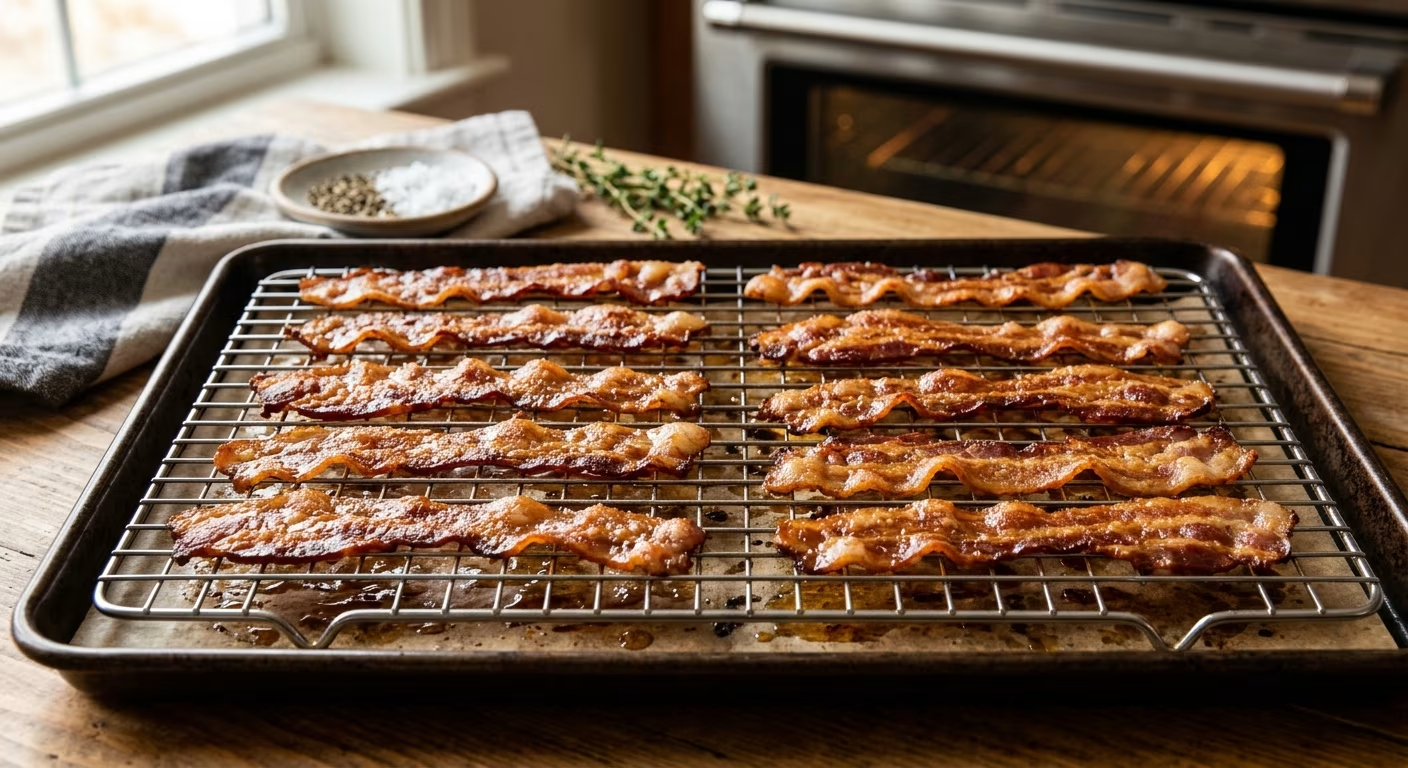
As someone who has cooked bacon every which way cast iron skillet at 6 a.m., stovetop splattering grease across a clean kitchen, even under the broiler on a desperate Sunday I can tell you this with complete confidence: baking bacon in the oven is the best method, full stop. Once you try it, you will never go back to standing over a hot pan dodging grease pops again.
I still remember the first time I slid a sheet pan of bacon into the oven. I walked away, made a pot of coffee, and came back to a full tray of evenly cooked, golden-brown strips every single piece exactly the same. No burned ends, no undercooked middles. I was sold immediately.
In this guide, I’ll walk you through everything: the right temperature, the best equipment, timing for different textures, food safety, and what to do with the leftover bacon grease (yes, you absolutely save it). Let’s get into it.
Why Bake Bacon in the Oven?
Let me give you the practical reasons I switched and why you should too.
- Hands-free cooking: Baking bacon is a hands-off technique that won’t spatter your kitchen with grease and eliminates the need to cook bacon in batches.
- Even cooking every time: Every strip gets the same heat, which means no more playing favorites with the “good” pieces from the center of the pan.
- Easy cleanup: Line your pan with foil or parchment and cleanup is almost effortless. If you don’t feel like saving the fat, set aside the hot grease-filled baking sheet and allow it to cool down. The grease will solidify onto the foil and you can lift it up and discard it for very easy cleanup.
- Perfect for large batches & meal prep: This method of cooking bacon is perfect for meal prepping too. You can bake the entire package of bacon even if you only plan to use half of it. Simply chop the bacon for easy bacon bits later (for salads and soups) or place whole slices in a container they’re easy to reheat quickly later in the week.
What You’ll Need
Ingredients
- 1 package (about 12 oz) of bacon regular or thick-cut
- Optional: freshly ground black pepper, smoked paprika, garlic powder, or a pinch of cayenne
Equipment
- Rimmed baking sheet (half-sheet pan)
- Aluminum foil or parchment paper
- Wire cooling rack (optional, but recommended for extra crispiness)
- Tongs
- Paper towels
- Heat-safe container (for saving bacon grease)
Pro Tip: Always use a rimmed baking sheet. The important variable is an overhang on all four sides of the rimmed baking sheet to contain the hot, rendered fat and make cleanup easy. A flat cookie sheet is a grease spill waiting to happen.
Step-by-Step: How to Bake Bacon in the Oven
Step 1 Preheat the Oven
Heat the oven to 400°F. Arrange the rack in the middle of the oven. Don’t skip preheating your oven needs to be at the right temperature before the bacon goes in for consistent results.
Step 2 Prepare the Pan
Line a rimmed baking sheet with parchment paper or aluminum foil, making sure there is overhang on all 4 sides. If you want extra-crispy bacon, place a wire cooling rack on top of the lined sheet pan. If you love your bacon crispy through and through, try baking it on top of a metal cooling rack set over the baking sheet. Lifting the bacon up lets it cook from all sides and get even crispier.
After testing, parchment paper and aluminum foil work equally well so use whatever you have on hand.
Step 3 Arrange the Bacon
Arrange 12 ounces of bacon on the baking sheet in a single layer. The slices can be close together or touching, but don’t let them overlap or they’ll stick together during cooking.
This is one of those mistakes I made early on. Overlapping strips means steamed, limp bacon definitely not what we’re going for.
Feel free to season at this stage. You can sprinkle the bacon slices with spices before baking this is completely optional. Tasty options include freshly ground black pepper, garlic powder, and smoked paprika. You can also use a pinch of cayenne pepper if you like spicy food.
Step 4 Bake
You don’t have to flip it while cooking. You just lay the bacon on a baking sheet, stick it in the oven, and set a timer. The strips of bacon bubble away in the oven (no splattering!) and gradually become crispy, golden-hued, and irresistible.
Step 5 Drain and Serve
Transfer the bacon to a plate lined with paper towels. Use tongs to transfer the bacon to the paper towels to drain and finish crisping.
If you used a wire rack, you can skip the paper towels entirely the fat has already dripped away during baking.
Bacon Baking Time & Temperature Guide
This is the question I get most often: “How long do I bake it?” Honestly, it depends on how you like your bacon and what oven you have. Please note that all ovens cook slightly differently. It’s best to keep an eye on the bacon past the 10-minute mark so you can ensure it’s cooked to your personal preference.
Here’s my go-to reference chart:
| Bacon Type | Texture Preference | Time at 400°F |
|---|---|---|
| Regular-cut | Chewy | ~12 14 minutes |
| Regular-cut | Crispy | ~14 16 minutes |
| Thick-cut | Chewy | ~16 18 minutes |
| Thick-cut | Crispy | ~18 20 minutes |
| Any cut | Extra crispy | ~22 25 minutes |
Times are approximate. Begin checking your bacon a few minutes early, as all ovens vary.
As a general guideline (but remember that ovens vary), bake for 15 minutes for chewy bacon, 20 minutes for crispy bacon, and 25 minutes for extra crispy bacon.
Cold Oven Trick: Once you place the bacon in the oven, heat it to 400°F and bake the bacon to your desired crispness it should be done in about 20 minutes. Note that this time is slightly longer because the bacon will be in the oven while the oven pre-heats. If you choose to put the bacon in an already hot oven, you will need to reduce the cook time, otherwise the bacon will burn.
Food Safety: What You Need to Know
I always tell people cooking bacon correctly isn’t just about taste, it’s about safety. Here’s what the USDA says you need to know.
It’s very difficult to determine the temperature of a thin piece of meat such as bacon, but if cooked crisp, it should have reached a safe temperature. That said, don’t guess trust the visual cues and your timer.
Safe steps in food handling, cooking, and storage are essential in preventing foodborne illness. You can’t see, smell, or taste harmful bacteria that may cause illness.
Storage Rules for Cooked Bacon
- Refrigerator: Store cooked bacon in an airtight container. Use most cooked leftovers within 3 to 4 days.
- Freezer: It is safe to freeze ready prepared pork dishes. For best quality, use within 3 months.
- Raw bacon purchase: Use or freeze products with a “sell-by” date within 7 days of purchase.
- Thawing: There are three safe ways to thaw bacon: in the refrigerator, in cold water, and in the microwave. Never defrost bacon on the kitchen counter or at room temperature.
What to Do With the Bacon Grease
Throwing away bacon grease feels like a crime to me. Seriously that liquid gold can elevate so many dishes. Here’s how I handle it:
If you want to save the bacon grease, let it cool slightly, then pour it through a fine-mesh strainer into a heatproof container and refrigerate. It keeps well for weeks in the fridge and can be used to sauté vegetables, fry eggs, season cast iron, or add depth to soups and gravies.
My personal favorite? A small spoonful in a pan of green beans with garlic. Absolute game-changer.
Bacon Nutrition: A Balanced View
Let’s be honest about what’s in bacon, because I think everyone deserves straight talk on this.
Bacon has lots of sodium, cholesterol, and fat, all of which can increase your risk of heart disease. But bacon does have other nutrients, like protein, vitamins, and minerals. Just keep in mind that if you eat bacon, it’s best to do so occasionally.
Nutritionally, bacon is high in fat, particularly saturated fat, and provides a source of protein, small amounts of iron, and vitamin D. However, its sodium content is significant due to curing processes, making moderation essential.
| Nutrient | Per 2-Slice Serving (approx.) |
|---|---|
| Calories | ~183 kcal |
| Protein | ~6 g |
| Fat | ~17 g |
| Saturated Fat | ~6 g |
| Sodium | ~291 mg |
| Carbohydrates | ~1 g |
Source: Approximate values per USDA data via Downshiftology nutrition panel. Values vary by brand and thickness.
Adding a little bit of bacon to vegetables and other nutritious foods can help you get the flavor with less of the salt and fat. That’s the approach I take a couple of slices alongside a veggie-packed scramble or on top of a salad hits all the right notes without overdoing it.
Top Tips From My Kitchen
After years of making this dish for family breakfasts, brunch gatherings, and weekday meal preps, here are my top tips distilled down:
- Use a rimmed pan always. Flat pans = grease spill in your oven.
- Don’t overcrowd. Overlapping strips steam instead of crisp. Give each slice some breathing room.
- Start with a cold oven for hands-off cooking the slower ramp-up renders fat more gently. Or use a preheated oven for faster, slightly crispier results.
- Use a wire rack for maximum crispiness. It lifts the bacon out of the pooled fat so it crisps from all sides.
- Watch your oven closely after 12 minutes. The difference between perfectly crispy and burnt can be just 2 3 minutes depending on your oven.
- Season before baking. Brown sugar and black pepper, smoked paprika, or even a drizzle of maple syrup these go on before it hits the oven, not after.
- Save that grease. Strain it, jar it, refrigerate it. Thank me later.
Frequently Asked Questions
Do I need to flip the bacon in the oven?
There’s no need to flip the bacon midway. The oven circulates heat all around the bacon evenly, making flipping unnecessary which is one of the best parts of this method.
What temperature is best for baking bacon?
400°F (204°C) is the sweet spot used by most professional kitchens and home cooks alike. Both Martha Stewart’s oven-baked bacon method and Kitchn’s recipe cook the bacon at 400°F for 15 to 20 minutes depending on the bacon’s thickness and desired doneness.
Can I bake frozen bacon?
It is safe to cook bacon from the frozen state. Just expect it to take several extra minutes. I recommend separating the strips as they thaw in the oven for more even cooking.
How do I store and reheat leftover baked bacon?
Let bacon cool completely, then layer between paper towels in an airtight container. Refrigerate and use within 3 4 days. Reheat in the microwave for 20 30 seconds or in a 350°F oven for about 5 minutes to re-crisp.
Is parchment or foil better?
Both parchment paper and aluminum foil work equally well. I personally use foil for the cleanest cleanup, but parchment is great if you’re concerned about the foil affecting flavor.
Ways to Use Your Oven Baked Bacon
Once you have a batch of perfectly baked bacon ready, the possibilities are endless. Here are some of my favorite uses:
- 🥗 Salads Cobb salad, BLT salad, or classic Caesar with crumbled bacon bits
- 🍳 Breakfast boards Pair with scrambled eggs, avocado, and fresh fruit
- 🥪 Sandwiches & wraps The BLT is a classic for a reason
- 🍲 Soups & chowders Crumble over potato soup, clam chowder, or baked potato soup
- 🍕 Flatbreads & pizzas Bacon, caramelized onion, and gouda is a winner
- 🧇 Brunch spreads Bacon goes with almost everything on a brunch table
Oven bacon can also be used in lunch and dinner recipes like Cobb salad, avocado chicken salad, or broccoli salad.
Final Thoughts
I’ve made oven baked bacon hundreds of times now. It’s become such a reliable method that I genuinely can’t imagine going back to the stovetop for anything more than a couple of strips. Cooking bacon in the oven creates perfectly crispy, delicious bacon. It’s also super easy, creates less mess than cooking it on the stovetop, and allows you to multi-task in the kitchen.
Whether you’re feeding a crowd at Sunday brunch or just prepping for the week ahead, this is the method that makes your life easier and your bacon better. Try it once I promise you’ll be converted.
Happy cooking! 🥓
References
- Bacon and Food Safety USDA Food Safety and Inspection Service (FSIS). Reviewed 2023. Official guidance on bacon handling, thawing, storage, and safe cooking.
- Safe Minimum Internal Temperature Chart USDA FSIS. Updated 2024. Reference for safe cooking temperatures for all meats including pork.
- Fresh Pork From Farm to Table USDA FSIS. Official guidance on pork cooking safety, internal temperatures, and storage. Ongoing resource.
- How to Cook Perfect Bacon in the Oven The Kitchn. Updated December 2025. Tested recipe and technique guide for oven-baked bacon.
- Pork Bacon Nutritional Data USDA FoodData Central. FDC ID: 167914. Primary USDA nutrient database entry for pork bacon.