
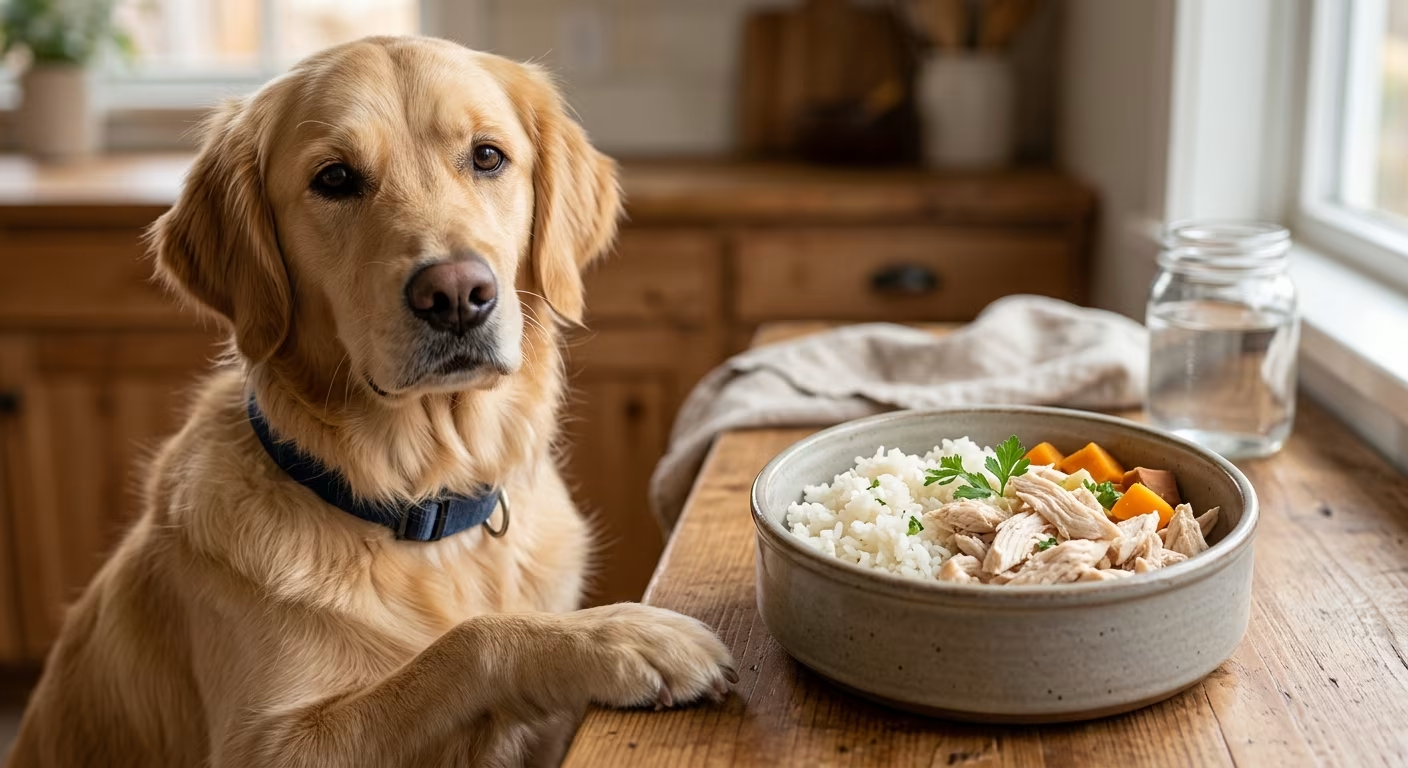
I’ve been working with dogs and their owners for years, and one of the most common panicked calls I get goes something like this: “My dog threw up this morning and won’t eat what do I do?” It’s a moment every dog parent dreads. The good news? Most mild stomach upsets are very manageable at home with the right foods. Let me walk you through exactly what I recommend the same advice I give my own clients.
Just like humans, dogs can occasionally experience an upset stomach. Symptoms like gas, nausea, constipation, and diarrhea are common and, in most mild cases, can be managed at home with a carefully chosen bland diet. That said, always check with your vet before taking treatment into your own hands some symptoms can signal something more serious.
⚠️ Important: The foods and tips below are intended for mild stomach upset only. Always consult your veterinarian before changing your dog’s diet, especially for senior dogs or those with existing conditions like diabetes, cancer, or allergies.
🐾 Why Do Dogs Get Upset Stomachs?
Before we get into food, it helps to understand what’s going on inside your dog’s belly. An upset stomach in dogs medically called gastroenteritis refers to inflammation or irritation of the stomach and intestinal tract.
Common causes include:
- Eating something they shouldn’t (garbage, table scraps, foreign objects)
- Sudden diet changes switching food too fast disrupts the gut microbiome
- Stress or anxiety yes, dogs get stress belly too, especially during travel or boarding
- Bacterial or viral infections including parvovirus, especially dangerous for puppies
- Intestinal parasites like giardia, roundworms, or hookworms
- Underlying conditions like pancreatitis, IBD, or food allergies
I had a client whose Labrador got into the holiday leftovers and spent two days with loose stools. Classic dietary indiscretion totally manageable with a few days of bland food. But another client’s Beagle had recurring stomach issues that turned out to be food allergies. The symptoms looked the same. That’s why knowing when to call the vet matters so much.
Signs Your Dog Has an Upset Stomach
| Mild Symptoms | Serious Symptoms (Call the Vet NOW) |
|---|---|
| Occasional vomiting or diarrhea | Blood in vomit or stool |
| Reduced appetite | Repeated vomiting lasting more than 24 hrs |
| Stomach gurgling or gas | Severe lethargy or depression |
| Licking lips or gulping (nausea signs) | Abdominal pain or swelling |
| Loose stools (1 2 days) | Signs of dehydration |
🍚 The Best Foods to Feed a Dog With an Upset Stomach
When your dog is dealing with a mild upset stomach, the goal is simple: easily digestible, low-fat, plain foods that give the gut a break while still providing some nutrition. These are what I call the “tummy reset” foods and they work because they’re gentle, not because they’re fancy.
1. Boiled Chicken and White Rice The Classic Go-To
If there’s one food combo every dog owner should know by heart, it’s this one. Chicken and rice are prime ingredients in many commercial dog foods, and these mild foods sit well on upset canine stomachs. The key is preparation: plain, boneless, skinless chicken breast, boiled with no oil or seasoning, shredded into small pieces and mixed with plain cooked white rice.
In my experience, this meal works about 90% of the time for simple dietary upsets. My own dog Max once got into a neighbor’s compost bin two days of chicken and rice, and he was back to his usual self.
While cooked white rice is lower in nutritional value than brown rice, its blandness makes it more suitable for upset stomachs. Stick with plain, unseasoned portions oils, butter, and added seasonings can irritate your dog’s stomach and make the problem worse.
💡 Tip: Cook the rice a little longer than usual so it’s softer and even easier to digest. Mix chicken and rice at roughly a 1:2 ratio (one part chicken to two parts rice).
2. Plain Canned Pumpkin The Fiber Fixer
Pumpkin is one of my absolute favorites for dogs with digestive issues and it works for both diarrhea and constipation, which is why I always recommend keeping a can in your pantry. The soluble fiber in pumpkin helps absorb excess water in loose stools or adds moisture to firmer ones, helping regulate the digestive tract.
Important: Always use 100% plain canned pumpkin puree NOT pumpkin pie filling. Pie filling contains spices and sugars that could cause further complications and send you right back to the vet.
A good starting dose is 1 2 tablespoons per meal for a medium-sized dog (adjust based on size). You can also find pumpkin supplements specifically formulated for dogs.
3. Shredded Plain Chicken (On Its Own)
Plain, unseasoned, boiled shredded chicken is easy to digest and packed with essential vitamins, minerals, fats, and amino acids. It’s also a great eating incentive for dogs with decreased appetites dogs who won’t touch their regular food will often eat plain chicken. This makes it especially useful for picky eaters during recovery.
4. Bone Broth Hydration and Comfort
Bone broth is a very mild, liquid meal that sits easily in upset canine stomachs. It’s also a wonderful way to add moisture and flavor to dry food and encourage dogs with reduced appetites to eat. If your dog is refusing food but will lap up broth, that’s a win hydration is critical during digestive upsets.
How to make dog-safe bone broth:
- Fill a slow cooker with beef marrow bones or joints (turkey or chicken legs work great)
- Cover bones with 2 3 inches of water
- Cook on low for 20 24 hours
- Let cool in the fridge until fat forms a solid layer on top
- Scoop off and discard the fat layer
- Store the remaining jelly-like broth refrigerated or frozen in portions
⚠️ No onions, garlic, salt, or seasoning these are toxic to dogs.
5. Plain Boiled Potatoes (No Skin)
Plain boiled or mashed potato (no butter, no salt, no skin) is another gentle carbohydrate option if your dog isn’t keen on rice. It’s bland, starchy, and easy on the digestive system. Carbohydrates like white rice or plain potato help bulk up the diet and pull water out of the gut in dogs with diarrhea.
6. Low-Fat Cottage Cheese
Low-fat cottage cheese is a gentle protein source that many dogs tolerate well during digestive upset. It’s mild, easy to digest, and can be mixed with plain rice. However, skip this one if your dog is lactose-intolerant.
Quick Reference: Best Bland Foods for Dogs
| Food | Best For | Serving Tip |
|---|---|---|
| Boiled chicken + white rice | General stomach upset, diarrhea | 1:2 protein-to-rice ratio, no seasoning |
| Plain canned pumpkin | Diarrhea AND constipation | 1 2 tbsp per meal (medium dog) |
| Bone broth | Low appetite, dehydration support | Skim fat; no onion/garlic |
| Plain boiled potato | Alternative carb to rice | No skin, no butter, no salt |
| Low-fat cottage cheese | Gentle protein alternative | Small amounts; skip if lactose intolerant |
| Shredded plain chicken | Picky eaters, low appetite | Boiled, no skin or bones |
🚫 Foods to AVOID During a Dog’s Stomach Upset
Just as important as what to feed is what not to feed. Some human foods that seem harmless can make a bad situation much worse.
- ❌ Fatty or greasy foods bacon, ham, pepperoni, or fatty cuts of meat
- ❌ Seasoned or spiced foods anything with garlic, onion, salt, or sauces
- ❌ Dairy (for lactose-intolerant dogs) milk, cheese, cream
- ❌ Table scraps rich, mixed human foods are a recipe for disaster
- ❌ Pumpkin pie filling contains spices and sugars; use plain puree ONLY
- ❌ Raw meat can introduce harmful bacteria when the gut is already vulnerable
- ❌ Treats pause all treats during recovery
I can’t tell you how many times I’ve seen a dog just starting to recover set back by a well-meaning owner sneaking a treat. Keep it boring boring is healing when it comes to a sick tummy.
🕐 How to Feed a Bland Diet: Step-by-Step
Step 1: Consider a Short Fast (Adult Dogs Only)
If your adult dog is vomiting, withholding food for 8 12 hours can give the stomach time to settle. Always provide access to fresh water. Never fast a puppy without direct veterinary guidance puppies can become dangerously dehydrated very quickly.
💧 Hydration tip: Offer small amounts of room-temperature water first. Cold water can shock the stomach and trigger more nausea. If your dog is reluctant to drink, try ice chips or a small amount of low-sodium broth.
Step 2: Introduce Bland Food Slowly
Once your dog can keep water down, start with very small portions of bland food roughly ¼ of their normal meal size, offered every 3 4 hours. Don’t be tempted to give a full meal right away.
Step 3: Monitor Closely
Watch for stool consistency, energy levels, and whether vomiting continues. Improvement within 24 48 hours is a good sign. If symptoms worsen or don’t improve, call your vet.
Step 4: Gradually Transition Back to Regular Food
Don’t switch back to regular food all at once. Once your dog’s stomach has settled (usually after 2 3 normal bowel movements or 2 3 days without vomiting), begin mixing:
| Days | Bland Diet | Regular Food |
|---|---|---|
| Days 1 3 | 75% | 25% |
| Days 4 6 | 50% | 50% |
| Days 7 9 | 25% | 75% |
| Day 10+ | 0% | 100% |
Patience here pays off. Rushing the transition is one of the most common mistakes I see and it often means the stomach upset comes right back.
💊 What About Probiotics?
Probiotics can be a valuable addition during recovery, helping restore beneficial gut bacteria after digestive upset. Your vet might suggest a probiotic supplement to support healthy gut bacteria these can be useful during recovery, but always follow your vet’s advice before using them. Plain, unsweetened Greek yogurt contains natural probiotics and can be offered in small amounts if your dog tolerates dairy.
💡 Ask your vet about veterinary-specific probiotic supplements designed for canine digestive health these tend to be more targeted and effective than human formulations.
🏥 When to Call Your Vet Don’t Wait
Home care is appropriate for mild cases, but certain situations demand immediate veterinary attention. Do not wait if you notice:
- 🩸 Blood in vomit or stool
- 🤢 Vomiting or diarrhea lasting more than 24 48 hours
- 😴 Severe lethargy or depression
- 🐶 Puppies showing any GI symptoms (parvovirus risk is real)
- 💧 Signs of dehydration (dry gums, skin that doesn’t spring back)
- 🔴 Abdominal swelling or signs of pain
Large breed dogs with deep chests like German Shepherds and Great Danes are particularly vulnerable to bloat, a life-threatening condition that can mimic stomach upset and requires emergency care immediately.
📞 “If signs continue for more than 48 hours or any of the earlier criteria are noted, veterinary care is warranted, as vomiting and diarrhea can cause life-threatening dehydration if medical care is not provided.” Texas A&M College of Veterinary Medicine & Biomedical Sciences
🧠 A Note on Long-Term Bland Diets
It’s worth saying clearly: a bland diet is a short-term solution, not a permanent one. Long-term use of home-cooked bland diets can result in nutritional deficiencies that cause further illness. If your dog needs dietary support for more than a few days, speak to your vet about commercially formulated gastrointestinal diets these provide the blandness your dog needs along with a complete nutritional profile.
I’ve seen owners keep dogs on boiled chicken and rice for weeks, thinking they were being kind. In reality, those dogs were missing critical vitamins and minerals. If your dog needs long-term dietary management, get professional guidance.
✅ Quick Summary: Dos and Don’ts
| ✅ DO | ❌ DON’T |
|---|---|
| Feed plain, boiled, unseasoned foods | Add oils, butter, salt, or spices |
| Offer small, frequent meals | Give one large meal |
| Keep fresh water available always | Give cold water when vomiting |
| Transition back to regular food slowly | Switch back to regular food abruptly |
| Call your vet if symptoms persist beyond 48 hrs | Give human OTC medications without vet approval |
| Use 100% plain pumpkin puree | Use pumpkin pie filling |
Final Thoughts
A dog with an upset stomach is stressful for everyone including the dog. The good news is that most mild cases respond beautifully to a simple bland diet, given with patience and care. Stick to the basics, keep things plain, transition back slowly, and always keep your vet in the loop if you’re unsure.
In all my years working with dogs, the owners who get the best outcomes are the ones who stay calm, keep it simple, and trust the process. Your dog is looking to you for comfort and a bowl of plain chicken and rice might be exactly what both of you need right now.
References
- Best Foods to Soothe Your Dog’s Upset Stomach American Kennel Club (AKC). Updated March 17, 2026. https://www.akc.org/expert-advice/nutrition/food-for-dogs-stomach-upset/
- When To See A Veterinarian For A Dog’s Stomach Ache Texas A&M University College of Veterinary Medicine & Biomedical Sciences. https://vetmed.tamu.edu/news/pet-talk/dogs-stomach-ache/
- Gastroenteritis (Stomach Upset) in Dogs PDSA (People’s Dispensary for Sick Animals). https://www.pdsa.org.uk/pet-help-and-advice/pet-health-hub/conditions/gastroenteritis-stomach-upset-in-dogs
- Upset Stomach in Dogs: Signs and What To Do PetMD, reviewed by veterinary professionals. Updated October 27, 2025. https://www.petmd.com/dog/conditions/digestive/upset-stomach-dogs
- How a Bland Diet for Dogs Helps With Stomach Upset PetMD. Updated November 18, 2024. https://www.petmd.com/dog/nutrition/bland-diet-for-dogs