
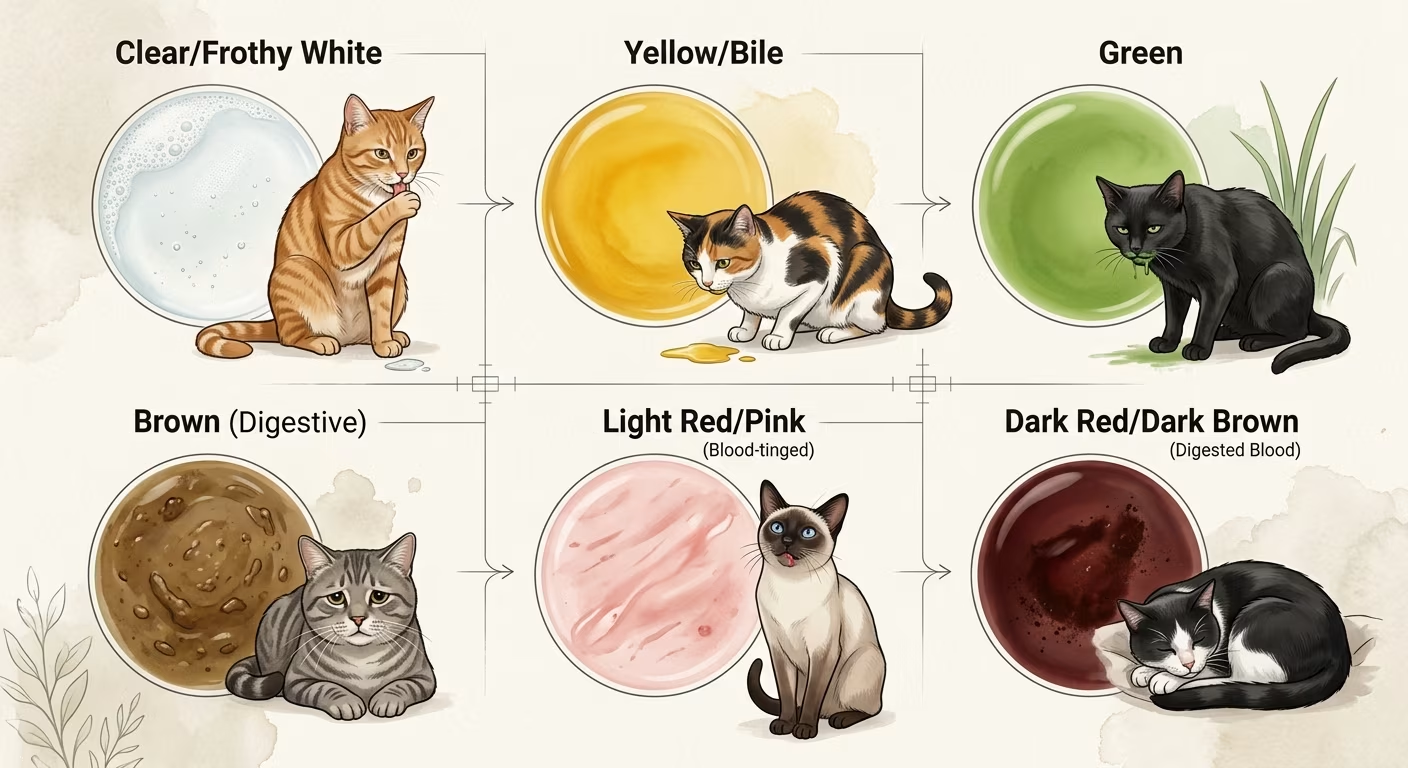
As someone who has spent years working closely with cat health and feline behavior, I can tell you the number one thing most cat owners do after their cat throws up is grab a paper towel and move on. I used to do that too, before I learned better. The color, texture, and frequency of your cat’s vomit is one of the most telling windows into what’s going on inside their body. Once I started paying attention, it changed how I cared for my cats entirely.
If you’ve ever found a mysterious puddle on your carpet and wondered whether to panic or shrug it off, this guide is for you. The color of your cat’s vomit can tell you whether it’s a simple upset stomach or a genuine emergency. Let’s break it all down simply, honestly, and from real experience.
Why Does Vomit Color Even Matter?
Here’s the thing most people don’t realize: your cat’s digestive system tells a story through what comes out. The stomach and intestines release different fluids during irritation, and those fluids change the appearance of what comes up. By paying attention to color and texture, you can give your vet critical clues or spot a real emergency before it becomes life-threatening.
Think of it this way: if your cat vomited clear foam at 6 a.m. and then went on to eat breakfast happily, that’s a very different story from finding dark red-brown vomit while your cat lies listlessly in the corner. Both involve vomiting. Only one is an emergency.
“The color can indicate if they have a health problem and with this information, you can tell when you have a feline emergency on your hands or if your cat only has an upset stomach.”
The Cat Vomit Color Chart: A Complete Breakdown
Below is a comprehensive reference table. Use it as a first guide but always combine it with your observation of your cat’s overall behavior and energy level.
| Vomit Color | Likely Cause | Action Needed | Urgency |
|---|---|---|---|
| Clear / White Foam | Empty stomach, acid reflux, or minor irritation | Monitor; adjust feeding schedule | 🟡 Low (if occasional) |
| Yellow / Yellow-Green | Bile from empty stomach | Adjust meal timing; see vet if frequent | 🟡 Low to Moderate |
| Green | Bile, grass ingestion, or possible obstruction | Check for plant access; see vet if no clear cause | 🟠 Moderate |
| Brown (Food-Like) | Partially digested food, or digested blood | See vet, especially if coffee-ground appearance | 🟠 Moderate to High |
| Red / Pink | Fresh blood ulcers, trauma, or GI bleeding | Emergency vet immediately | 🔴 Emergency |
| Black / Dark Tarry | Digested blood from upper GI bleeding | Emergency vet immediately | 🔴 Emergency |
| Undigested Food (Any Color) | Eating too fast, food intolerance, or obstruction | Monitor; use slow feeder; see vet if recurring | 🟡 Low (if occasional) |
*This chart is a reference guide only and does not substitute for professional veterinary advice.*
Breaking Down Each Color What I’ve Seen in Real Life
🟤 Clear or White Foamy Vomit
This is probably the most common one cat owners encounter. I find it most often early in the morning, especially from cats who haven’t eaten since the night before. Clear or white foamy vomit typically happens when a cat’s stomach is essentially empty the stomach acid mixes with saliva and mucus, producing that foamy puddle you recognize too well.
The fix I’ve recommended countless times? Try splitting your cat’s meals into smaller, more frequent portions so there’s never a long gap between feedings. If your cat does this once in a blue moon, it’s probably fine. But if it’s happening several times a week, that’s worth a vet conversation it could signal acid reflux or inflammatory bowel issues.
🟡 Yellow or Yellow-Green Vomit
Yellow vomit almost always means one thing: bile. Bile is a digestive fluid made in the liver and stored in the gallbladder. When a cat’s stomach has been empty for several hours, bile can reflux backward and irritate the stomach lining causing that signature yellow-colored sick.
I had a cat, Mango, who used to throw up yellow liquid every Sunday morning because she’d fast all night and her breakfast was delayed. The moment I moved her feeding time earlier, the problem resolved. That’s often all it takes.
When to worry: If yellow vomiting becomes frequent or is paired with lethargy, weight loss, or loss of appetite, it could point to liver disease, pancreatitis, or intestinal disease. See your vet.
🟢 Green Vomit
Green vomit can look alarming and sometimes it is. If your cat ate grass or a plant before vomiting, green is usually explainable and harmless. Cats instinctively eat grass to help move hairballs or indigestible material through their system.
But here’s the part that catches people off guard: if the green color isn’t from something your cat ate, green liquid can sometimes point to a gastrointestinal obstruction. If your cat is lethargic, can’t keep water down, and vomits green repeatedly, don’t wait. Also remember that some houseplants are toxic to cats and certain toxic plants can trigger sudden green vomiting alongside drooling or seizures.
🟠 Brown Vomit
Brown vomit can mean a few different things depending on the context. If it looks and smells like food, it’s likely partially digested stomach contents often from a cat who ate something that didn’t agree with them. That type of brown vomit is usually low concern if it’s a one-off event.
However, brown vomit with a “coffee ground” appearance is a red flag. This means digested blood and it suggests bleeding somewhere in the upper gastrointestinal tract. That’s an emergency situation, full stop. Don’t wait for morning if this happens at midnight.
🔴 Red or Pink Vomit
Red or pink vomit means fresh blood is present. In my experience, this is one of the most frightening things a cat owner can discover and rightfully so. Even a small amount of visible blood in your cat’s vomit should never be ignored. Possible causes include ulcers, a foreign body injury, trauma, or serious gastrointestinal bleeding.
Call your vet or emergency animal clinic immediately. Take a photo of the vomit if you can it helps the vet assess severity before you even arrive.
⚫ Black or Tarry Vomit
This is the single most urgent color on this chart. Black, tarry vomit often described as resembling coffee grounds indicates digested blood from the stomach or intestines. This can be linked to serious illness, tumors, or advanced disease. There is no monitoring-at-home option here. This is a same-day or after-hours emergency vet situation.
🥣 Undigested Food in Vomit
Finding visible, recognizable kibble pieces in vomit usually means your cat ate too fast. I call these the “vacuum cleaner cats” they inhale their food and then regurgitate it almost immediately. The vomit often happens within 30 minutes of eating and looks almost identical to what was in the bowl.
A slow-feeder bowl is one of the simplest and most effective solutions I’ve ever recommended. However, if undigested food vomiting happens repeatedly or if your cat also seems to be losing weight it could suggest a motility problem, obstruction, or food intolerance.
Hairball vs. Vomit: Know the Difference
This confuses more cat owners than almost anything else. Here’s how I explain it: look at the shape first.
- Hairball: Slim, tubular, cigar-shaped mass mostly hair, sometimes with a bit of bile around it. Your cat likely acted normal right before and after.
- Vomit: Liquid, foamy, or food-based. The cat usually retches, heaves, or shows abdominal effort beforehand.
A cat that just coughed up a hairball will typically go right back to their routine. A truly sick cat may hang their head, act lethargic, or refuse food after vomiting. Behavior is your secondary clue.
When Should You Call the Vet? (A Practical Guide)
Here’s the honest answer I give to every cat owner I speak to:
- Red, pink, or black vomit (blood)
- Vomiting multiple times in a few hours
- Lethargy combined with vomiting
- Suspected toxin or foreign object ingestion
- Projectile vomiting
- Vomiting with simultaneous diarrhea (dehydration risk)
- Stomach pain, hunching, or crying when touched
- It was a single isolated episode
- Your cat is eating, drinking, and acting normally afterward
- The vomit was clear, white foam, or looked like food
- No other symptoms are present
As a general rule of thumb backed by veterinary guidance: cats that vomit more frequently than once per week, or who show any signs of lethargy, blood in vomit, loss of appetite, or simultaneous diarrhea, should be evaluated by a veterinarian promptly.
What Causes Cats to Vomit? The Most Common Reasons
Understanding the “why” helps you prevent future episodes. Here are the most frequent culprits I encounter:
- Eating too quickly Triggers immediate regurgitation of undigested food
- Hairballs Especially in long-haired breeds; regular brushing reduces this significantly
- Sudden diet changes Always transition food gradually over 7 10 days
- Food allergies or intolerances Common culprits include chicken, beef, dairy, or grains
- Parasites Roundworms and hookworms irritate the digestive tract
- Toxin ingestion Plants, medications, or household chemicals
- Chronic illness Kidney disease, hyperthyroidism, IBD, diabetes, and pancreatitis can all cause vomiting
Simple Prevention Tips That Actually Work
- 🍽️ Use a slow feeder bowl to prevent speed-eating
- 🔄 Transition food changes slowly over at least a week
- 🌿 Keep toxic plants and human foods out of reach
- 💧 Always provide fresh water to prevent dehydration
- 🪮 Brush your cat regularly to reduce ingested hair
- 💉 Keep up with deworming and vaccinations on your vet’s schedule
- 📅 Schedule annual wellness exams early detection of chronic illness saves lives
Final Thoughts From One Cat Lover to Another
I’ve been doing this long enough to know that most cat vomiting is not a crisis. But I’ve also seen too many cases where a “wait and see” approach delayed treatment that could have made all the difference. The color, frequency, and context of your cat’s vomit are the three things I always ask about first.
Trust your gut. You know your cat better than anyone. If something feels off even if the vomit color looks “okay” call your vet. A five-minute phone consultation can save you hours of worry and potentially your cat’s life.
Bookmark this page, take a photo next time it happens (yes, really vets appreciate this), and use this chart as your starting reference point. Your cat is counting on you.
References
- Cornell University College of Veterinary Medicine “Vomiting” (Feline Health Topics). Cornell Feline Health Center. Accessed June 2026.
- VCA Animal Hospitals “Vomiting in Cats.” VCA Hospitals. Accessed June 2026.
- Wellness Animal Hospital “Common Causes of Vomiting in Cats and When to Call the Vet.” Published September 2025.
- Garden State Veterinary Specialists “Cat Vomiting: Is It a Veterinary Emergency?” Published May 2025.
- Central Kentucky Veterinary Center “Understanding Feline Vomiting: Expert Insights.” Published February 2025.