
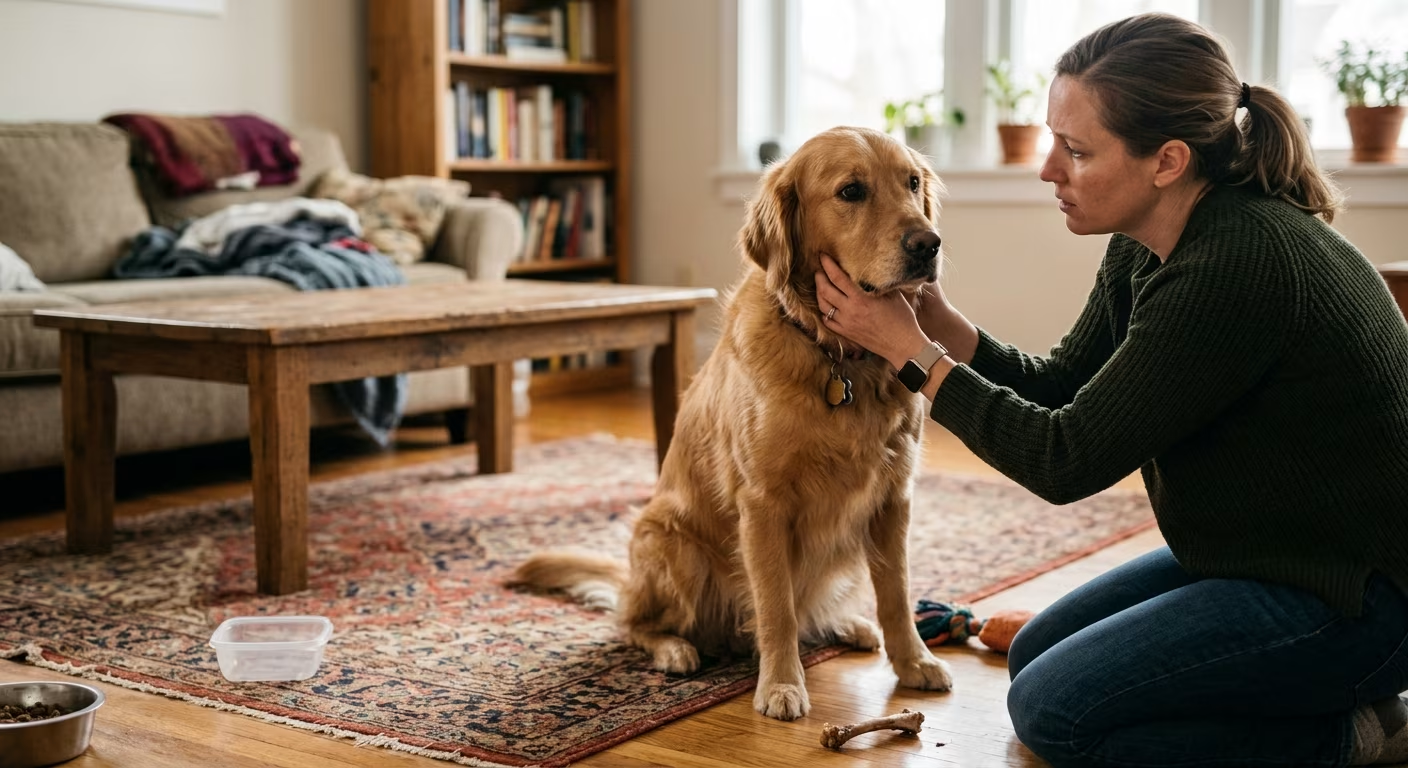
Written from real experience helping dog owners navigate one of the most common and panic-inducing pet emergencies.
I’ve been in the veterinary world long enough to know that this scenario happens almost every single week: a dog owner calls in a panic because their dog just snatched a chicken bone off the counter, out of the trash, or right off a dinner guest’s plate. Trust me you are not alone, and the first thing I want you to do is take a breath.
That said, this is not something to brush off, either. Chicken bones can be genuinely dangerous for dogs, and knowing exactly what to do in the next few minutes can make a real difference. Let me walk you through everything clearly, honestly, and in plain language.
🐾 Why Are Chicken Bones Dangerous for Dogs?
Here’s the thing a lot of people don’t realize: it’s not all bones that are equally risky it’s specifically cooked chicken bones that are the biggest problem.
Chicken bones are hollow by nature. That hollow structure is what made flight possible for birds but it also makes these bones extremely brittle once they’re cooked. According to PetMD, chicken bones can potentially be more dangerous than other animal bones precisely because they’re hollow and hollow bones tend to break and splinter more readily.
When a dog bites down on a cooked chicken bone, it doesn’t crumble harmlessly it shatters into sharp, jagged shards. Those shards can then:
- Pierce or cut the mouth, gums, or tongue
- Become lodged in the esophagus or throat
- Puncture the stomach or intestines
- Cause dangerous blockages along the digestive tract
- Lead to internal bleeding or life-threatening infection (sepsis)
“Cooked chicken bones can break and splinter, which can cause your dog to choke and can also puncture the gastrointestinal tract, or get caught in his throat. This is extremely painful to your dog and can potentially lead to death.”
American Kennel Club (AKC)
I’ve seen X-rays where a bone fragment no bigger than a thumbnail caused a perforation requiring emergency surgery. The good news? Most dogs who accidentally swallow a chicken bone do fine but you must monitor closely and act quickly if anything seems off.
Raw vs. Cooked Chicken Bones: Is One Safer?
| Type of Bone | Splinter Risk | Other Risks |
|---|---|---|
| Cooked Chicken Bone | 🔴 Very High | Choking, punctures, blockages, internal bleeding |
| Raw Chicken Bone | 🟡 Lower (but still present) | Bacterial infection (Salmonella, E. coli), choking hazard |
Raw bones are somewhat more flexible and less likely to shatter, but they are not safe either. They can carry harmful bacteria like Salmonella and E. coli, which can cause severe illness in both your dog and your family members who handle the dog afterward.
Bottom line: No chicken bone cooked or raw should intentionally be given to your dog.
🚨 What To Do Right Now: Step-by-Step
Okay. Your dog just ate a chicken bone. Here’s exactly what to do, in order:
Step 1: Stay Calm Seriously
I know it’s hard. But your dog reads your energy. If you run toward them screaming, two things happen: their stress levels spike, and they may swallow whatever is still in their mouth even faster. Approach calmly and speak softly.
Step 2: If the Bone Is Still in Their Mouth, Act Quickly
If you catch them in the act, calmly tell your dog to “drop it” and offer a high-value treat as a trade. PetMD advises staying calm and not reprimanding your pup, as scolding usually prompts a dog to swallow what’s in their mouth. If you can safely reach the bone with your hand without pushing it further back, you can try to retrieve it but do not force it.
Never attempt to pull a bone out if it’s already partially swallowed you could cause more damage.
Step 3: Check for Immediate Choking
This is your first priority once the bone is swallowed. Signs of choking include:
- Gasping or struggling to breathe
- Pawing frantically at the mouth or face
- Blue-tinged gums (a true emergency)
- Panicked, wide-eyed expression
If your dog is choking, go to an emergency vet immediately. Do not wait. Do not Google. Go.
Step 4: Do NOT Induce Vomiting
This is a mistake I see well-meaning owners make. Inducing vomiting when a sharp bone is involved can be extremely dangerous. As noted by AKC Pet Insurance, inducing vomiting increases the risk of the chicken bone getting stuck in the esophagus on the way back up, or causing additional lacerations. Leave this decision entirely to your vet.
Step 5: Offer a Small Amount of Soft Food
If your dog is not choking and has already swallowed the bone, you can offer a small piece of plain white bread. AKC Pet Insurance explains that soft food can help cushion the bone fragments, protect the lining of the digestive system, and stimulate digestive juices to help break down the bone faster. Keep the portions small you don’t want to overfill a potentially irritated stomach.
Do not give antacids, Pepto-Bismol, or other OTC medications. These can actually reduce the stomach acid your dog needs to digest the bone naturally.
Step 6: Call Your Veterinarian
Even if your dog seems completely fine, pick up the phone. Your vet can talk you through the specific risks based on your dog’s size, the type of bone, and how much was consumed. The AKC recommends calling your vet to help you figure out how to handle the situation because every dog and every situation is different.
Step 7: Monitor Closely for at Least 48 72 Hours
This is where your job really begins. Garden State Veterinary Specialists recommend watching your dog closely for at least 72 hours, looking for changes in behavior, appetite, bathroom habits, and energy levels. Even if your dog seems fine right now, bone fragments can cause problems hours or even days later as they travel through the digestive system.
⚠️ Warning Signs: When To Go to the Emergency Vet
Here’s the list I give every dog owner. If you see any of these signs, don’t wait for a morning appointment go to an emergency clinic now:
| 🚨 Emergency Symptom | What It May Indicate |
|---|---|
| Difficulty breathing / choking | Airway obstruction |
| Vomiting (especially with blood) | Internal injury or blockage |
| Bloody stool or difficulty defecating | GI perforation or obstruction |
| Bloated or distended abdomen | Intestinal blockage or gas buildup |
| Lethargy / collapse / weakness | Internal bleeding or sepsis |
| Excessive drooling or gagging | Bone lodged in esophagus or throat |
| Refusing food or water for 24+ hours | Pain or blockage |
| Pain when belly is touched | Peritonitis or internal injury |
Also pay attention to subtle changes. If your dog is just unusually quiet, not interested in their favorite toy, or “just not themselves” that gut feeling you have as a pet owner matters. Trust it and call your vet.
🐶 Are Some Dogs at Higher Risk?
Yes and this is something I always factor in when advising owners:
- Puppies: Their digestive systems are smaller in diameter, which means bone fragments cause more damage as they pass through and are more likely to cause obstructions.
- Small breeds: A bone that a Labrador might pass easily can completely block the intestine of a Chihuahua or Yorkshire Terrier.
- Dogs who gulp food without chewing: They may swallow larger pieces that are more likely to cause blockages.
- Senior dogs: Their digestive systems may be slower and less efficient at processing foreign material.
If your dog falls into any of these categories and ate a chicken bone, I would err on the side of calling your vet immediately rather than waiting to see what happens.
✅ What Your Vet May Do
Here’s what to expect if you take your dog in after a chicken bone incident:
- Physical examination checking for mouth injuries, abdominal pain, and general health
- X-rays or ultrasound to locate bone fragments and check for blockages or perforations
- IV fluids to keep your dog hydrated and support digestion (dehydration can delay bone breakdown)
- Endoscopy a minimally invasive procedure to retrieve bones from the esophagus or stomach
- Surgery reserved for severe blockages or perforations that cannot be resolved any other way
In most cases, if the bone has already reached the stomach, your vet may recommend monitoring at home with a specific diet plan rather than invasive intervention. Chicken bones are relatively low-density and many do dissolve in stomach acid within 24 48 hours without causing harm.
🛡️ How to Prevent This From Happening Again
Prevention is always better than a 2 a.m. emergency vet visit. Here are the practical steps I recommend to every dog owner:
- Use locking trash cans. Most chicken bone emergencies happen when a dog raids the garbage. Use a trash can with a secure, locking lid or store it inside a cabinet.
- Dispose of bones immediately after meals. Don’t leave them sitting in a bowl or on a plate anywhere your dog can reach.
- Train “leave it” and “drop it” commands. These are genuinely life-saving commands that every dog should know. Start training today if you haven’t already.
- Educate your guests. Well-meaning friends and family often slip dogs table scraps without realizing the danger. A quick word before dinner can prevent a late-night vet trip.
- Supervise during gatherings. Holidays and barbecues are prime times for chicken bone accidents. Keep your dog in a separate room or on a leash when food is being served.
🦴 Safe Chewing Alternatives for Your Dog
Your dog’s urge to chew is completely natural and healthy you just want to satisfy it safely. Here are some great options recommended by veterinarians:
- Rubber or nylon chew toys (like KONG or Nylabone) durable and designed for heavy chewers
- Dental chews satisfy chewing while also supporting oral health
- Bully sticks high in protein, easy to digest, and long-lasting
- Frozen treats great for keeping dogs entertained and soothed
- Vet-approved raw bones only if specifically recommended by your vet for your dog’s size and chewing style
Always supervise your dog with any chew toy or treat, and replace items once they become small enough to swallow whole.
Final Thoughts: Don’t Panic, But Don’t Wait
Here’s the honest truth I’d give a friend: most dogs who accidentally eat a chicken bone will be just fine. But “most” is not “all” and the cases that go wrong do so quickly and painfully. The cost of a vet call or checkup is nothing compared to the cost of emergency surgery or worse.
If your dog just ate a chicken bone:
- Stay calm
- Check for choking
- Don’t induce vomiting
- Offer a small piece of soft white bread
- Call your vet
- Monitor closely for 72 hours
You’ve got this. And your dog is lucky to have an owner who cares enough to get informed.
References
- American Kennel Club (AKC) “What to Do if Your Dog Eats a Chicken Bone.” AKC Expert Advice: Health. Updated 2018. akc.org
- Sandra C. Mitchell, DVM, DABVP “What To Do if Your Dog Ate a Chicken Bone.” PetMD. Published August 2019. petmd.com
- AKC Pet Insurance “What To Do If Your Dog Eats A Chicken Bone.” AKC Pet Insurance Blog. Updated September 2023. akcpetinsurance.com
- Garden State Veterinary Specialists “Chicken Bones and Dogs: Emergency Steps and Warning Signs.” GSVS Blog. Published June 2025. gsvs.org
- Kingsdale Animal Hospital “Dog Ate Chicken Bones? Don’t Panic! Here’s What To Do.” Kingsdale Animal Hospital Blog. Updated February 2026. kingsdale.com