
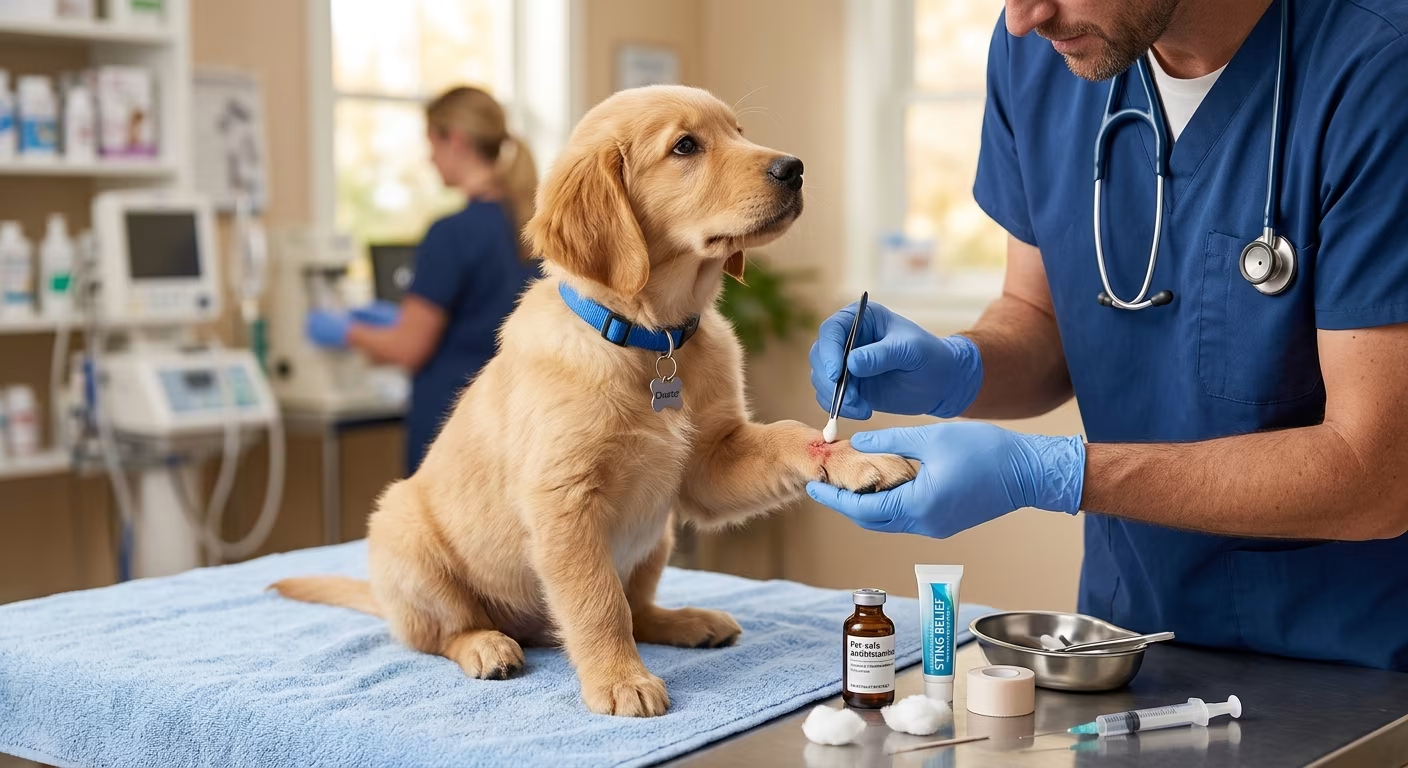
I’ve been in veterinary practice for over a decade, and I can tell you the panicked phone call that starts with “my dog just got stung by a bee” is one of the most common ones we get, especially in spring and summer. Most of the time, it turns out fine. But every once in a while, it turns into a genuine emergency. The difference? Knowing what to look for and acting fast.
This guide walks you through everything from the moment your dog yelps and paws at their face, to what a dangerous reaction actually looks like, to when you need to drop everything and head to the emergency vet. Let’s get into it.
🐝 Why Dogs Get Stung So Often
Dogs are naturally curious. They nose around flower beds, snap at flying insects, and occasionally step right on a bee without noticing. Most stings happen on the face, muzzle, and paw pads exactly the places dogs use to explore the world.
Here’s the thing about bees vs. wasps that matters in treatment:
| Insect | Leaves Stinger? | Can Sting Multiple Times? | Venom Type |
|---|---|---|---|
| Honeybee | ✅ Yes | ❌ No (bee dies) | Acidic |
| Wasp / Yellow Jacket | ❌ No | ✅ Yes | Alkaline |
| Bumblebee / Hornet | ❌ No | ✅ Yes | Mixed |
Why does venom type matter? Because bee stings are acidic and respond well to a baking soda paste, while wasp stings are alkaline and can be neutralised with diluted vinegar more on that below.
🔍 How Do You Know Your Dog Was Stung?
You won’t always see it happen. Your dog might be playing outside and suddenly start acting oddly. Here are the telltale signs:
- Sudden yelping, whining, or jumping
- Excessive pawing or licking at a specific spot
- Swelling at the sting site (often the face or paw)
- Limping (if stung on a paw pad)
- Drooling more than usual
- Red, irritated skin
Real talk: I once had a client bring in her Labrador who was limping and she thought he’d sprained his paw on a run. Turned out he’d stepped right on a bee. The stinger was still buried in the pad. Always check the paw pads!
✅ Step-by-Step: What to Do Right Away
Step 1 Stay Calm and Move Your Dog Away
Before anything else, get your dog away from the area. If they’ve disturbed a nest, don’t chase after them call them to you to avoid getting stung yourself. Your calm energy will also help keep your dog from spiraling into anxiety.
Step 2 Find and Remove the Stinger (Bee Stings Only)
Only honeybees leave their stinger behind. If you spot one, act quickly the stinger keeps pumping venom the longer it stays in.
⚠️ Important: Don’t pinch it out with tweezers or your fingers squeezing the venom sac pushes more poison in. Instead, use a credit card or stiff flat object and scrape it out sideways in one smooth motion.
Step 3 Clean the Area
Gently wash the sting site with mild soap and cool water. This reduces the risk of infection and soothes the skin. Pat dry don’t scrub, as the area will be tender.
Step 4 Apply a Soothing Remedy
This is where knowing the insect helps:
- Bee sting? Make a paste of baking soda and water and apply it to the site. Bee venom is acidic, and the baking soda helps neutralise it.
- Wasp sting? Dab a small amount of diluted apple cider vinegar on a cotton ball and hold it to the site. Wasp venom is alkaline, and vinegar can help counteract it.
- Not sure which? Stick with the baking soda it’s gentler and less likely to cause irritation.
Step 5 Apply a Cold Compress
Wrap an ice pack (or a bag of frozen peas) in a clean cloth and hold it gently on the sting site for 10 minutes on, 10 minutes off, for the first hour or two. Never apply ice directly to your dog’s skin it can cause tissue damage. This simple step makes a real difference in reducing swelling and easing pain.
Step 6 Ask Your Vet About Antihistamines
You may have heard that Benadryl (diphenhydramine) is safe for dogs and in many cases it is. However, never give your dog antihistamines without checking with your vet first. Some formulations (combination cold and flu products, anything with xylitol or alcohol) are dangerous. The correct dose also depends on your dog’s size and weight. A quick call to your vet can clear this up in minutes.
Step 7 Watch and Monitor
Give your dog fresh water and a quiet place to rest. Stay close and keep watching. Allergic reactions don’t always appear instantly they can be delayed by hours. Most experts recommend monitoring for at least 24 hours after the sting.
🚨 Signs of a Dangerous Allergic Reaction Act Immediately
This is the part I really want you to read carefully. While most stings are unpleasant but manageable, some dogs have severe allergic reactions and the window to get treatment is narrow.
Here are the red flag symptoms. If you see any of these, go to an emergency vet right now:
| Symptom | What It May Indicate |
|---|---|
| Rapid facial or neck swelling | Anaphylaxis / airway risk |
| Difficulty breathing, wheezing, or gasping | Airway blockage / anaphylaxis |
| Vomiting within 5 10 minutes of sting | Possible anaphylactic shock |
| Pale or white gums | Circulatory shock |
| Collapsing or sudden weakness | Severe anaphylaxis |
| Extreme drooling, agitation, or aggression | Severe allergic reaction |
| Hives (bumps under the skin or on belly) | Systemic allergic response |
| Seizures | Neurological involvement |
I’ve seen owners wait too long because “she seemed okay at first.” The truth is, anaphylaxis can develop within minutes or be delayed for several hours. Never assume you’re in the clear too early.
At the emergency vet, treatment for severe reactions may include epinephrine (adrenaline), corticosteroids, IV fluids, and oxygen therapy. In the most serious cases, hospitalisation for one to several days may be needed for monitoring organ function.
⚠️ Special Situations That Always Need a Vet
Stung Inside the Mouth or Throat
This is one of the most dangerous scenarios. Dogs that snap at bees or try to eat them can get stung on the tongue, inside the mouth, or in the throat. Swelling in these areas can block the airway rapidly. If your dog was stung in the mouth and you notice coughing, gagging, or any difficulty swallowing, treat it as an emergency don’t wait to see if it gets better.
Multiple Stings
A single sting from one bee is very different from disturbing a hive. Multiple stings flood the body with venom and significantly increase the risk of a severe systemic reaction especially in smaller dogs. If your dog was stung more than a few times, call your vet immediately even if they seem fine right now.
Previously Allergic Dogs
If your dog has had a bad reaction to a sting before, don’t wait for symptoms this time. Call ahead, head straight to your vet, and if your vet has previously prescribed an EpiPen for your dog, have it on hand whenever you’re outdoors. An unpredictable reaction could be more severe the second time around.
📋 Quick Reference: Home Treatment vs. Emergency Vet
| Situation | Action |
|---|---|
| Single sting, mild swelling, dog acting normal | ✅ Treat at home, monitor for 24 hrs |
| Stung on face/muzzle, swelling manageable | 📞 Call vet for advice, watch closely |
| Stung in mouth or throat | 🚨 Emergency vet immediately |
| Multiple stings | 🚨 Emergency vet immediately |
| Any symptom from the red flag table above | 🚨 Emergency vet immediately |
| Dog has had a severe reaction before | 🚨 Don’t wait go straight to vet |
🌿 Preventing Future Bee Stings
You can’t completely bee-proof the world, but a few common-sense habits make a real difference:
- Keep your dog away from flower beds, garbage areas, and known hive or nest locations
- Be extra cautious outdoors from spring through early autumn peak sting season
- Don’t encourage your dog to chase or snap at flying insects (even as play)
- Keep your lawn trimmed long grass hides ground-nesting bees and wasps
- Avoid scented sprays or lotions on your dog that might attract insects
- Leash-walk in wooded or unknown areas instead of letting your dog roam freely
For dogs with a known history of severe reactions, talk to your vet about an emergency action plan including whether carrying an epinephrine auto-injector is appropriate. Some veterinary dermatology practices also offer hyposensitisation (allergy immunotherapy) for dogs with known severe venom allergies.
💬 Final Word From the Field
In all my years of practice, the dog owners who handle bee stings best are the ones who don’t panic but don’t dismiss it either. A bee sting is usually a minor nuisance that your dog will shake off in a day or two. But on rare occasions, it’s life-threatening. Your job is simply to know the difference, act quickly when needed, and trust your gut. If something feels wrong, call your vet. That’s always the right move.
Keep this article bookmarked so you have it on hand when you need it because the middle of a panicked moment is not the time to be Googling.
References
- American Kennel Club “What to Do if Your Dog Is Stung by a Bee or Wasp.” AKC Expert Advice: Health. Updated February 25, 2026. https://www.akc.org/expert-advice/health/dog-stung-bee-wasp/
- VCA Animal Hospitals “First Aid for Insect Stings in Dogs.” VCA Know Your Pet. https://vcahospitals.com/know-your-pet/first-aid-for-insect-stings-in-dogs
- Blue Cross (UK) “What to do if your dog is stung by a bee or wasp.” Blue Cross Pet Advice. https://www.bluecross.org.uk/advice/dog/health-and-injuries/what-to-do-if-your-dog-is-stung-by-a-bee-or-wasp
- Preventive Vet “What to Do if Your Dog Is Stung by a Bee, Wasp, or Hornet.” Updated October 9, 2025. https://www.preventivevet.com/dogs/what-to-do-if-your-dog-is-stung-by-a-bee-wasp-or-hornet
- Vets Now “What to do when your dog is stung by a bee or a wasp.” Updated April 2, 2026. https://www.vets-now.com/pet-care-advice/dog-bee-wasp-sting/