
By a Canine Behavior & Pet Health Specialist with 12+ years of hands-on experience
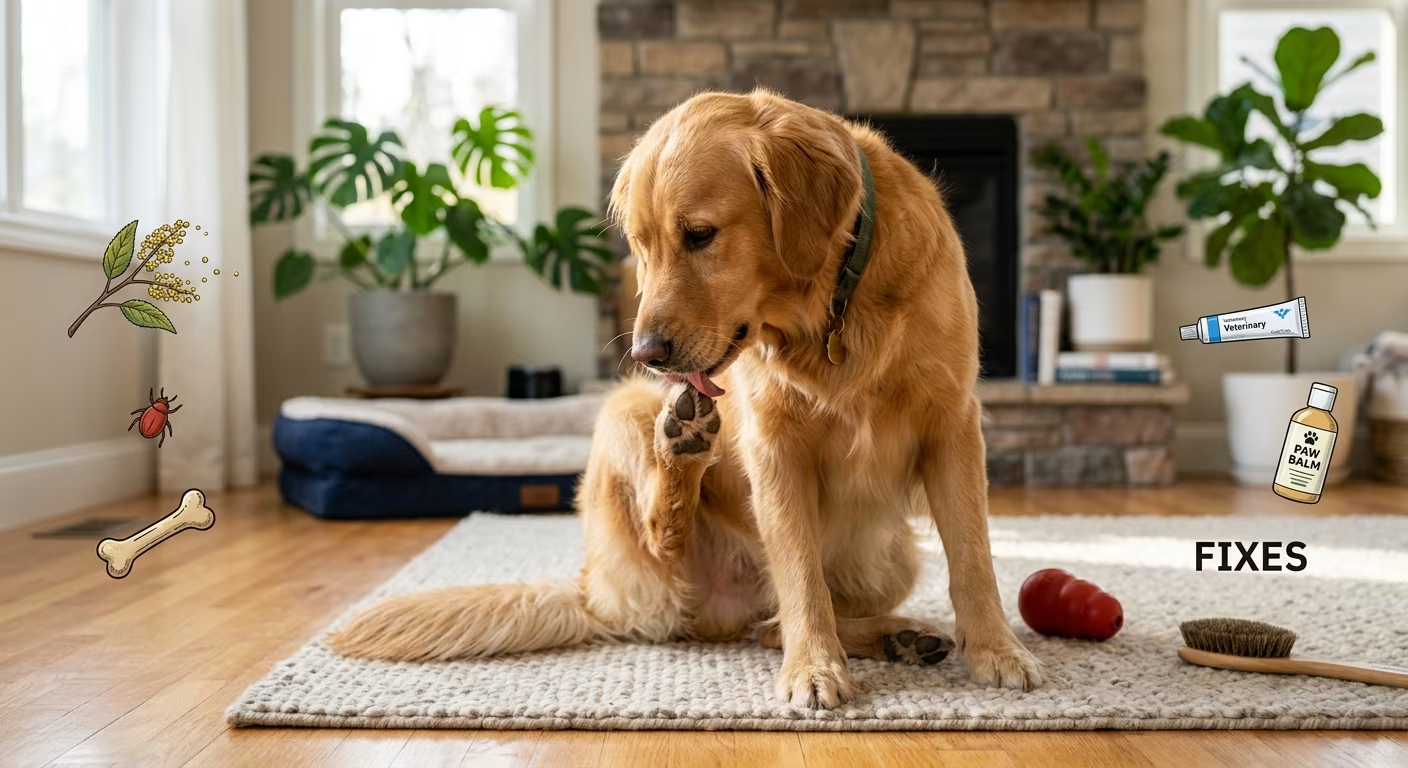
I remember the first time I noticed my Golden Retriever, Biscuit, gnawing at his front paws like they had offended him personally. It was late at night, and the relentless chew-chew-chew sound kept me awake. Sound familiar? If you’ve ever watched your dog obsessively lick or chew at their paws and thought, “Should I be worried?” you’re in the right place.
Here’s the honest truth: some paw chewing is completely normal. Dogs use their mouths the way we use our hands to explore, clean, and self-soothe. But when it becomes constant, that’s your dog trying to tell you something. And in my experience, those messages are worth listening to.
Is My Dog’s Paw Chewing Normal or a Problem?
Before we panic, let’s draw a clear line. Occasional paw licking after a walk or a quick chew during grooming? That’s fine. Excessive, persistent paw chewing that leads to redness, swelling, or hair loss? That’s a red flag.
“While occasional paw licking is normal, excessive chewing or licking can lead to problems such as infections or wounds.”
Watch out for these warning signs that tell you to take action:
- Redness or discolouration between the toes
- Swelling or warm skin around the paw pads
- Hair loss on the feet or legs
- A yeasty or unpleasant smell from the paws
- Open sores or crusty patches
- Changes in how your dog walks or stands
- Your dog waking up at night to chew
If you’re seeing any of the above, keep reading we’re about to break down every possible cause.
The 6 Most Common Reasons Dogs Chew Their Paws
1. 🌿 Allergies The #1 Culprit
In my years of working with dogs, allergies are by far the most common reason I see paw chewing. Allergies are the most common overall cause of chronic paw licking in dogs. There are three types you need to know about:
| Allergy Type | Common Triggers | Key Clue |
|---|---|---|
| Environmental | Pollen, grass, dust mites, mold | Worse in spring/fall |
| Food | Beef, chicken, dairy, wheat | Year-round, affects gut too |
| Contact | Cleaning products, lawn chemicals | Sudden onset after exposure |
Dogs may be allergic to environmental elements such as pollen, grasses, or chemicals, as well as specific ingredients in their food and these allergies often lead to paw inflammation and intense itchiness.
Canine allergies develop when the immune system overreacts to normally harmless substances. This exaggerated response leads to skin inflammation and itchiness. As a dog licks or chews to relieve the itch, the heat, moisture, and abrasion from repeated licking can damage the skin barrier allowing bacterial or yeast infections to develop, which then makes the skin even itchier, creating a worsening cycle.
Pro tip from experience: If your dog’s paw chewing gets noticeably worse during spring or fall, seasonal environmental allergies are very likely to blame. And if the urge to chew came on suddenly, think about whether you’ve recently started using a new laundry detergent or floor cleaner.
What the science says: In 2023, the International Committee on Allergic Diseases of Animals (ICADA) introduced a new definition of canine atopic dermatitis, describing it as “a hereditary, typically pruritic, and predominantly T-cell-driven inflammatory skin disease” involving skin barrier abnormalities, allergen sensitization, and microbial imbalance.
2. 🦟 Parasites The Sneaky Itch Makers
Fleas, ticks, and mites are tiny troublemakers. I’ve seen dogs nearly drive themselves mad from a flea infestation that their owners couldn’t even see. Parasites like fleas, ticks, and mites commonly irritate dogs, causing severe itching and fleas tend to gather between toes and around paws, worsening the discomfort.
In particular, fleas and ticks love to hide in the dark spaces between your dog’s toes. Mites are also possible and, unlike fleas and ticks, are nearly impossible to see with the human eye.
What I do: After every walk in tall grass or wooded areas, I run my fingers between my dog’s toes. It takes 30 seconds and can catch a problem before it spirals.
3. 🦠 Bacterial & Fungal Infections
Bacterial and fungal infections can also be a reason for dogs to chew their paws. Bacterial infection of the feet can be mild and surface-level, or deeper, leading to painful swellings and ‘cysts’ between the toes.
The yeast Malassezia also commonly affects the skin of the paws and if you notice a sweet, corn-chip-like smell coming from your dog’s feet, that’s often a telltale sign of a yeast overgrowth. Mild infections can usually be treated with topical medicated washes or wipes, but deeper bacterial infections may need oral antibiotics and the underlying reason for the infection will always need to be addressed.
4. 🩹 Injury or Foreign Objects
Sometimes the answer is the simplest one. Dogs may chew their paws due to cuts, splinters, or thorns embedded in their paw pads. Small foreign objects like grass seeds or burrs can become trapped under nails or paw folds, which are difficult to detect.
I once spent 10 minutes examining a dog’s paw, only to find a tiny grass awn buried deep between the toes. No wonder the poor girl wouldn’t stop biting at it! Always check paws after outdoor adventures in grassy or wooded areas.
5. 😰 Anxiety & Boredom The Psychological Side
Dogs are emotional creatures, and when they’re stressed or under-stimulated, they turn to repetitive behaviours for comfort and paw chewing is one of them. Dogs often use chewing as a coping mechanism for stress, anxiety, or boredom.
When dogs don’t have enough mental or physical stimulation, they may start chewing their paws as a way to cope. This behaviour can also be a sign of separation anxiety, especially if it occurs when your dog is left alone.
How to tell if it’s anxiety-driven: Notice if your dog chews their paws more when they are alone or not engaged in activities. Look for other signs of anxiety, such as pacing, whining, or destructive behaviour.
Important: True anxiety-driven paw licking is far less common than paw licking caused by medical issues which is one reason a veterinary assessment is important for determining the true source of the problem.
6. 🌨️ Dry Skin & Weather Changes
Weather changes, particularly in winter, can cause dry, itchy skin and your dog may chew or lick their paws to soothe the discomfort. Hot pavements in summer are equally brutal on paw pads. I always recommend checking your dog’s paws more closely during seasonal transitions.
What Does Pododermatitis Mean? (And Should You Be Worried?)
You might hear your vet use this word. Don’t panic pododermatitis is a general term for inflammation of the skin of a paw. It’s the animal’s body’s first response to healing and the itching is likely triggering your dog’s excessive chewing and licking.
Signs can vary from redness of the skin to hair loss, swellings, ulcers, and crusting. There are a multitude of causes including bacterial or fungal infections, allergies, parasites, and autoimmune conditions. The good news? It’s treatable once the root cause is identified.
When Should You See a Vet? (Don’t Wait on These Signs)
I always tell people: trust your gut. If something feels off, it usually is. Occasional paw licking can be normal, but persistent or excessive licking is often a sign of an underlying medical issue. It becomes more concerning when you notice redness, hair loss, swelling, discharge, a bad odour, or other signs of itchiness or when your dog interrupts normal activities to lick or chew.
Excessive paw chewing can lead to serious issues, including secondary infections and lick granulomas. If your dog is exhibiting signs of excessive or compulsive paw chewing, talk to your veterinarian about possible causes because if left untreated, paw chewing can become a learned and compulsive behaviour.
When you visit your vet, they may run:
- Skin scrapings to check for mites or infections, allergy tests to identify environmental or food allergens, and blood tests to detect any internal issues.
- A full physical examination including observation of gait and paw anatomy
- A dietary elimination trial (typically 8 weeks) if food allergy is suspected
How to Help Your Dog: Practical Solutions That Work
🏠 At-Home Care
| Action | What It Does | When to Use |
|---|---|---|
| Rinse paws after walks | Removes pollen and allergens | Daily, especially allergy season |
| Dry paws thoroughly | Prevents yeast overgrowth | After every walk or swim |
| Paw balm application | Soothes dry, chapped skin | Winter months or dry climates |
| Regular nail trimming | Reduces nail-related chewing | Every 3 4 weeks |
| Dog booties on walks | Protects from heat, cold & chemicals | Extreme weather conditions |
| Hypoallergenic shampoo | Restores skin barrier | Weekly bathing routine |
Paw balm is great for soothing dry and chapped skin, while pet-safe wipes keep paws clean and help avoid infections. Some dogs may also benefit from wearing dog booties on their walks, especially in extreme heat or cold weather.
A consistent nail trimming routine ensures that nails are at a healthy length, which can make them less desirable for dogs to chew on. Regular nail grooming also reduces the risk of nail-related pain, injury, and infection.
🥗 Dietary Adjustments
Try switching to a strict hypoallergenic diet for an 8-week diet trial. If your dog’s allergy is dietary, avoiding the responsible allergen could resolve their symptoms.
From personal experience, this is one of the most powerful yet underused tools available to dog owners. Work with your vet to choose an appropriate novel-protein or hydrolysed-protein diet and stick to it strictly for the full 8 weeks.
🧠 Addressing Anxiety & Boredom
Addressing issues with anxiety and boredom may involve boosting mental stimulation and ensuring adequate exercise. After ruling out medical issues, dog parents can test if paw chewing diminishes after incorporating more physical activity, toys, or food puzzles.
Some of my go-to recommendations:
- Puzzle feeders make mealtime brain work
- Sniff walks let your dog explore smells freely
- Daily training sessions (even 10 minutes) builds confidence and focus
- Safe chew toys redirect the chewing behaviour
Some dogs may need anti-anxiety medication or a consultation with a veterinary behaviourist if the behaviour is deeply ingrained.
💊 Veterinary Treatments Available
Depending on the diagnosis, your veterinarian may prescribe medications such as antihistamines to control allergic reactions, antibiotics to treat bacterial infections, antifungal medications for yeast infections, or anti-inflammatory drugs to reduce inflammation and pain.
For dogs with confirmed atopic dermatitis, there are now targeted options: Antihistamines, supplements such as high-dose omega-3 fatty acids, glucocorticoids, Apoquel, Atopica, and Cytopoint are all options to mitigate itch and manage skin inflammation.
And for long-term management: Allergen-specific immunotherapy (ASIT) is the only treatment for atopic dermatitis that can change a dog’s immune response to allergens and induce remission of clinical signs and it remains the treatment of choice of most veterinary dermatologists. ASIT attempts to increase the patient’s tolerance to environmental allergens by inducing the development of anti-inflammatory cytokines.
Quick Reference: Cause vs. Solution Snapshot
| Cause | Key Signs | First Step |
|---|---|---|
| Environmental allergies | Seasonal pattern, itchy eyes | Rinse paws; visit vet for allergy test |
| Food allergies | Year-round, gut issues | Start elimination diet trial |
| Fleas / Parasites | Scratching all over | Check for fleas; update prevention |
| Bacterial/Yeast infection | Odour, brown staining | Vet exam; medicated wash |
| Foreign object / Injury | One paw only, sudden onset | Inspect paw; remove object if safe |
| Anxiety / Boredom | Worse when alone, other stress signs | Increase enrichment; vet behaviour consult |
| Dry skin / Weather | Worse in winter, cracked pads | Paw balm; booties outdoors |
My Final Word From Someone Who’s Been There
Working with dogs every day has taught me one thing above all else: they communicate through behaviour. Paw chewing is rarely just a quirky habit it’s a message. The sooner you decode it, the sooner your dog gets relief.
Start by observing when it happens, how often, and which paws are affected. That information alone can point you toward the cause. And please don’t wait until the skin is raw. Early action makes a world of difference.
If there’s any doubt, your vet is always the right call. Early intervention can prevent paw chewing from becoming a chronic problem. Your dog is counting on you to notice and you clearly already are, because you’re here.
Frequently Asked Questions
Is it normal for dogs to chew their paws?
While the occasional nibble on their paws is normal behaviour for dogs, excessive paw chewing often signals an underlying problem that requires attention.
Why does my dog chew only one paw?
Chewing isolated to a single paw often suggests a localised issue like a foreign object, a cut, a thorn, or a localised infection rather than a systemic cause like allergies.
What can I put on my dog’s paws to stop chewing?
A vet-approved paw balm can soothe dry or irritated skin. For dry skin, use a dog-friendly moisturiser and never use human lotion, as it can harm your dog’s skin and be toxic if ingested. If the chewing is due to an underlying medical issue, you’ll need to address that cause directly.
Can anxiety cause paw chewing in dogs?
Yes, but it’s less common than physical causes. Behavioural causes like anxiety or boredom are uncommon and usually only considered after medical problems have been ruled out.
When should I take my dog to the vet for paw chewing?
See your vet if paw chewing is persistent, if you notice redness, swelling, a bad smell, hair loss, open sores, or if your dog seems to be in pain or discomfort when walking.
References
- Atopic Dermatitis in Dogs Merck Veterinary Manual (Updated May 2026)
- Non-controlled, open-label clinical trial to assess the effectiveness of a dietetic food on pruritus and dermatologic scoring in atopic dogs PubMed Central / National Library of Medicine (2019)
- A splice donor variant in SLAMF1 is associated with canine atopic dermatitis PubMed Central / National Library of Medicine (2025)
- Canine Atopic Dermatitis: Updates on Diagnosis and Treatment Today’s Veterinary Practice (2023)
- Paw Licking in Dogs: Allergies, Anxiety, or Something Else? Vetster (2026)
- Canine Atopic Dermatitis (Environmental Allergy) in Dogs MedVet (Updated 2024)