
As someone who has worked closely with dog owners and their pets for years, I can tell you that dog constipation is one of those things that catches people off guard. One day your dog is fine, and the next, they’re squatting repeatedly with nothing to show for it and you’re standing there wondering what on earth to do. I’ve been there myself with my own dogs, and I’ve helped countless pet parents navigate it. The good news? Most cases are mild and very manageable at home. Let me walk you through everything you need to know.
What Is Dog Constipation?
Constipation is a common health problem in dogs and means a dog can’t pass a normal stool on a regular basis. It can happen for different reasons and usually can be easily fixed, but some dogs may develop chronic constipation. This can lead to obstipation, where the stool becomes drier, harder, and compacted and the dog can’t defecate at all.
In normal digestion, waste is full of water and electrolytes as it is pushed through the intestines to the colon by an automatic muscular motion called peristaltic waves. The water is absorbed in the colon and the waste is moved out as a stool. If this process becomes slow or impaired, the colon will keep absorbing water and the stool will become harder, drier, and possibly compacted.
Think of it like this: imagine a garden hose that hasn’t had water running through it for days things just get stuck. That’s essentially what happens in your dog’s gut.
Signs Your Dog Is Constipated
Canine constipation is when your dog temporarily has difficulty with normal bowel movements. You may notice that they go less often, are straining to go, or have hard, dry stools when they do.
Here are the key warning signs to look for:
- Straining when attempting to defecate and/or producing hard, dry stools
- Passing mucus when trying to defecate, circling excessively, scooting along the ground, or squatting frequently
- Eating less or refusing food, and seeming less active or more tired than usual
- In severe cases, vomiting due to constipation. If your dog whines, recoils, or responds negatively to pressure around their stomach, they could be experiencing constipation or gastrointestinal distress
⚠️ Important: Straining isn’t always a sign of constipation. Dogs sometimes strain when they are unable to pee, which is an emergency. If you are unsure, go to your vet immediately.
Common Causes of Dog Constipation
From not enough fiber in the diet to stress and lack of exercise, constipation can come on quickly and for a variety of reasons. Some of the most common causes include:
| Cause | Why It Happens |
|---|---|
| Dehydration | Dehydration can cause dog constipation. A pup’s body responds to a lack of water by reabsorbing as much water as possible from the feces, causing hardening of the stool. |
| Low Fiber Diet | Dogs on a low-fiber diet may benefit from adding more fiber to their diet to help ease their symptoms of constipation. |
| Lack of Exercise | Exercise helps stimulate bowel movement in dogs. |
| Ingested Foreign Objects | Ingested pieces of plants, dirt, bones and toys can get caught in the intestinal tract. |
| Medications | If your dog is on medication for an unrelated condition, read the label or talk to your veterinarian about constipation being a possible side effect. |
| Age | All dogs get constipated, but older dogs are more susceptible. |
Safe Home Remedies for Dog Constipation
Most of the time, occasional constipation can easily be treated at home with lifestyle adjustments. You may be able to help ease your dog’s constipation with a home remedy, but make sure to talk to your vet first.
In my experience, the remedies below are the ones that consistently make a real difference. I’ve recommended them to dozens of pet parents, and many have seen results within 12 24 hours for mild cases.
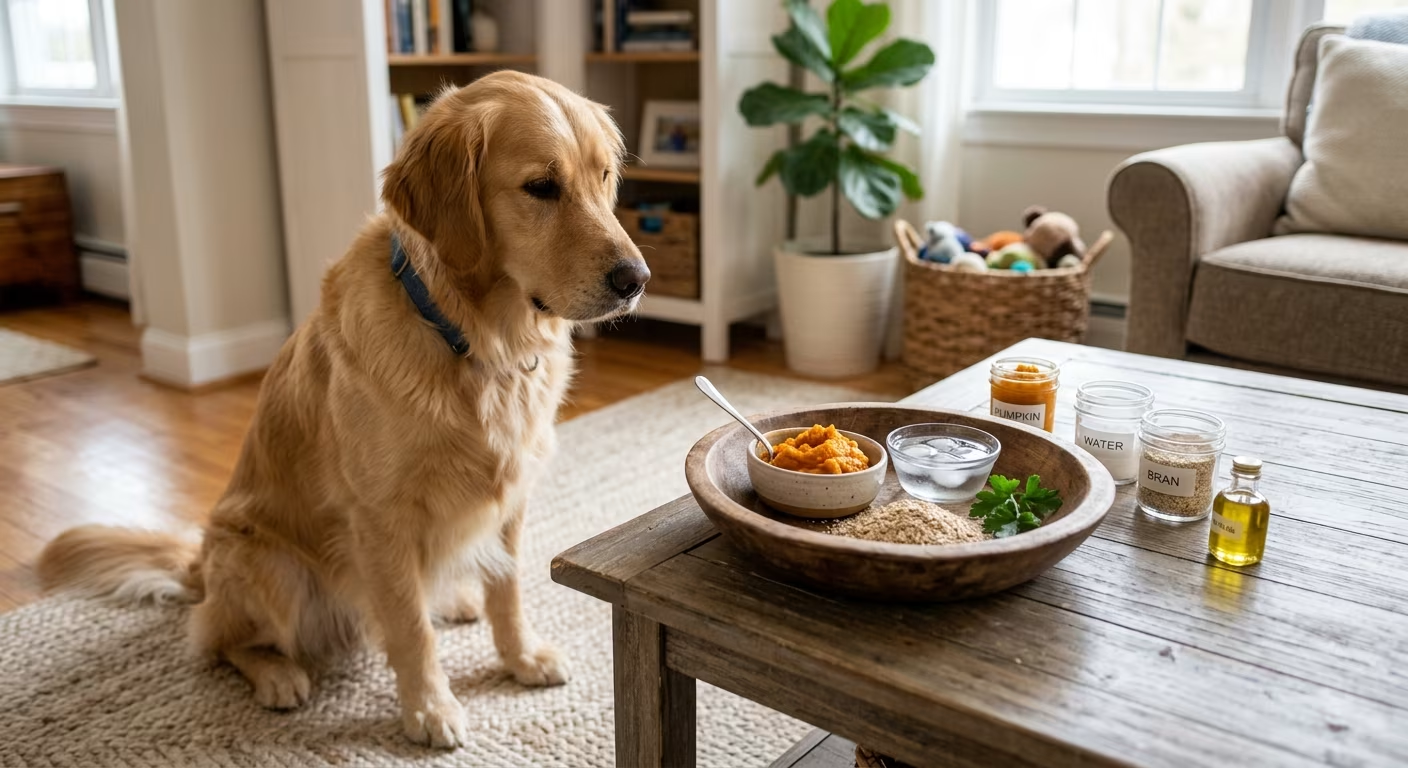
1. 🎃 Canned Pumpkin Puree
Pumpkin offers many great health benefits for your pup, but the high soluble fiber content is what makes it so effective for treating constipation. Fiber helps to regulate your dog’s digestive tract, and the moisture content in the pumpkin can also help soften their stool.
The Merck Veterinary Manual recommends adding 1 4 tablespoons with your dog’s meal to help ease constipation. Make sure to always buy 100% pumpkin puree and never pumpkin pie filling. Pumpkin pie filling contains added sugar and spices that can be harmful to your dog.
Pro tip from experience: I keep a can of plain pumpkin puree in my pantry at all times. It’s cheap, dogs love it, and it works for both constipation AND diarrhea a true digestive superhero.
2. 💧 Increase Water Intake
One of the most common causes of constipation is dehydration. Without enough water and moisture in your pup’s diet, there’s no way for them to lubricate their stool. If your dog is constipated, make sure they have access to plenty of fresh, clean water at all times.
Make sure your dog always has access to fresh water. Dog water fountains can be helpful to entice pets to hydrate throughout the day. You can also add water or broth to their daily meals to encourage more hydration, especially if your dog doesn’t go for their water bowl as often as you’d like.
A good rule of thumb is that your dog should drink approximately 1 ounce of water for every pound of body weight. For example, a dog who weighs 15 pounds should drink around 15 ounces of water.
3. 🥫 Switch to Wet/Canned Dog Food
Canned dog food the softer food and higher moisture content will help regulate their digestive system and create softer stool. Feeding your dog canned food or mixing a small amount of water into dry food can help provide your constipated dog with extra hydration.
4. 🏃 Exercise & Movement
Take your dog for long walks to get their bowels moving and stimulate a healthy movement. Exercises like running, fetch, and chase are great ways to promote a healthy digestive tract.
A daily 15- to 30-minute walk is an excellent way to stimulate a bowel movement. It can also help reduce bloating, which often accompanies constipation.
Honestly, this is one I swear by. A brisk 20-minute walk has gotten more than one of my dogs “going” when they were backed up. Movement really does matter.
5. 🦠 Probiotics
Probiotics are beneficial bacteria that keep the gut microbiome in check and help with digestion. Probiotics are safe for dogs of all ages and come in different forms, including powders or chewable treats.
If your dog’s constipation is the result of an imbalanced gut, probiotics may help. Probiotics aren’t quick-acting, but over time, they can balance the gut microbiota, which can alleviate constipation and make your dog’s digestion healthier overall.
An over-the-counter probiotic supplement for dogs, such as Purina Pro Plan Veterinary Diets FortiFlora, can help support normal bowel function. FortiFlora is formulated with probiotics and antioxidants to help maintain good bacteria in your dog’s intestinal tract, supporting normal bowel functions and healthy digestion.
6. 🌿 Fiber Supplements (Psyllium / Metamucil)
Psyllium husk powder, or Metamucil, can be added to food to increase fiber and relieve constipation. Your veterinarian can provide dosage information. Too much MiraLAX or Metamucil can cause diarrhea, so always start small and consult your vet.
What NOT to Give Your Dog
Not everything you read online is safe. Here’s what to avoid:
- Human laxatives without vet guidance: You should never give a dog a laxative unless it is directly prescribed by your veterinarian. While your dog might benefit from something to help them expel the stool, certain medications and laxatives can cause much more harm than good.
- Home enemas: An enema should never be given to your dog at home unless it has been specifically prescribed by your veterinarian. Most dogs will need to have something to relax their muscles before an enema. Trying to give one to your dog at home, without medical guidance, can cause you to tear the inside of the rectum or result in other injuries.
- Yogurt with sweeteners: Yogurt should be plain yogurt with no added sweeteners like xylitol.
- Pumpkin pie filling: Never substitute this for pure pumpkin it contains sugar and spices harmful to dogs.
- Overuse of laxatives: Using laxatives on a regular basis can also make your dog’s constipation worse.
Quick Reference: Home Remedies at a Glance
| Remedy | How It Helps | Suggested Amount |
|---|---|---|
| Canned Pumpkin Puree | Adds fiber & moisture | 1 4 tablespoons per meal |
| Fresh Water | Lubricates stool | ~1 oz per lb of body weight/day |
| Wet/Canned Dog Food | High moisture softens stool | Mix with regular food |
| Daily Exercise/Walk | Stimulates bowel movement | 15 30 min walk daily |
| Probiotics (dog-safe) | Balances gut microbiome | Per product label |
| Psyllium/Metamucil | Boosts dietary fiber | Vet-recommended dose only |
When to Call Your Vet Don’t Wait Too Long
If your dog has not had a bowel movement in 48 hours, contact your veterinarian. Prolonged constipation can be a sign of serious conditions such as a blockage (obstipation) in the intestinal tract or other underlying causes like diseases of the colon, thyroid diseases, megacolon, or neurological conditions.
Call your vet immediately if you notice any of the following:
- In addition to having little or no bowel movements, your dog vocalizes when straining to have a bowel movement
- Signs of pain, vomiting, or lethargy, or if there is blood in the stool and the dog is showing signs of distress
- Your vet may also recommend additional testing, like X-rays or an abdominal ultrasound, to rule out other potential health issues
- Your dog ingested a foreign object never try to clear an intestinal blockage at home
💡 “When in doubt, always err on the side of caution. I’ve seen owners wait too long, and what started as simple constipation became an expensive, uncomfortable emergency. A quick vet call can save your dog (and your wallet) a lot of pain.”
When in doubt, it’s always best to have your dog evaluated by their veterinarian sometimes constipation can be the tip of the iceberg of a much bigger problem.
How Vets Treat Severe Constipation
If your dog is constipated, unfortunately there is no quick fix. Depending on the degree of constipation, your vet may recommend oral medications, or they might need an enema or manual removal of the feces at the veterinarian’s office.
Most cases will resolve with mild treatments, such as boosting liquids and dietary fiber or getting more exercise. Laxative suppositories, stool softeners, and enemas may be helpful, but should only be used with guidance from a veterinarian.
Serious cases may require the manual extraction of impacted feces, prescription medications, and, in rare instances, surgery.
Preventing Constipation: Long-Term Tips
Prevention is always better than cure. Here’s what I recommend to every dog owner I speak with:
- Maintain a consistent diet Sudden food changes stress the gut. Transition foods slowly over 7 10 days.
- Daily exercise At the very least, dogs should get one or two walks a day with plenty of time for sniff time so they are encouraged to poop.
- Fresh water always available Making sure that your dog has constant access to fresh water is perhaps the easiest and least expensive way to prevent constipation. Place clean water bowls both inside and outside the house and refresh them several times a day.
- Regular vet check-ups Routine physical exams allow your vet to examine your dog’s abdomen, assess their hydration status and evaluate any osteoarthritic conditions that may disrupt their normal bathroom habits.
- Watch for medication side effects If being boarded or taking oral antibiotics tends to trigger constipation, your vet can help you find a preventive solution to address constipation before it sets in.
Frequently Asked Questions
How long can a dog go without pooping?
A dog can safely go about 48 to 72 hours without defecating. Beyond that, it’s time to call your vet.
Can I give my dog olive oil for constipation?
There’s debate on this. Contrary to popular advice on the internet, do not give your dog coconut oil or olive oil. These can be harmful to your dog. Always consult your vet before trying any oil-based remedy.
Is pumpkin puree safe for puppies too?
Canned pumpkin puree works as a gentle natural laxative in both adult dogs and puppies. Just use small amounts and ensure it’s 100% plain pumpkin.
Can stress cause constipation in dogs?
Yes! Dogs may not go when you are traveling or if you are on a new walking route. That is because of the situation and is not a cause for concern if it’s temporary.
Final Thoughts
Dog constipation is uncomfortable for your pet and stressful for you but in most mild cases, it’s very treatable at home with the right approach. Most cases of constipation in dogs are short-lived, and you can easily treat your dog’s constipation at home. Start with hydration, a little pumpkin, and some extra exercise. But always keep your vet in the loop, especially if symptoms persist beyond 48 hours.
Your dog is counting on you to notice the signs and act quickly. The more you know, the faster they feel better and honestly, there’s no better feeling than watching your pup finally get relief after a tough day!
References
- American Kennel Club “Dog Constipation: Home Remedies and When to Call the Vet” American Kennel Club (AKC). Updated March 9, 2026. https://www.akc.org/expert-advice/health/dog-constipation/
- PetMD “Dog Constipation: Treatment and When To Call Your Vet” PetMD. Updated September 27, 2024. https://www.petmd.com/dog/symptoms/dog-constipation
- WebMD Pets “Dog Constipation: How to Help Your Pet & When to See a Vet” WebMD. Updated January 27, 2025. https://www.webmd.com/pets/dogs/dog-constipation-causes-treatment
- Hill’s Pet Nutrition “Dog Constipation: Signs, Causes and Treatment” Hill’s Pet. Updated November 25, 2025. https://www.hillspet.com/dog-care/healthcare/dog-constipation
- Vetster “Everything You Need to Know to Handle Your Dog’s Constipation” Vetster (featuring licensed veterinarians). Updated November 14, 2025. https://vetster.com/en/wellness/everything-you-need-to-know-to-handle-your-dog-s-constipation