
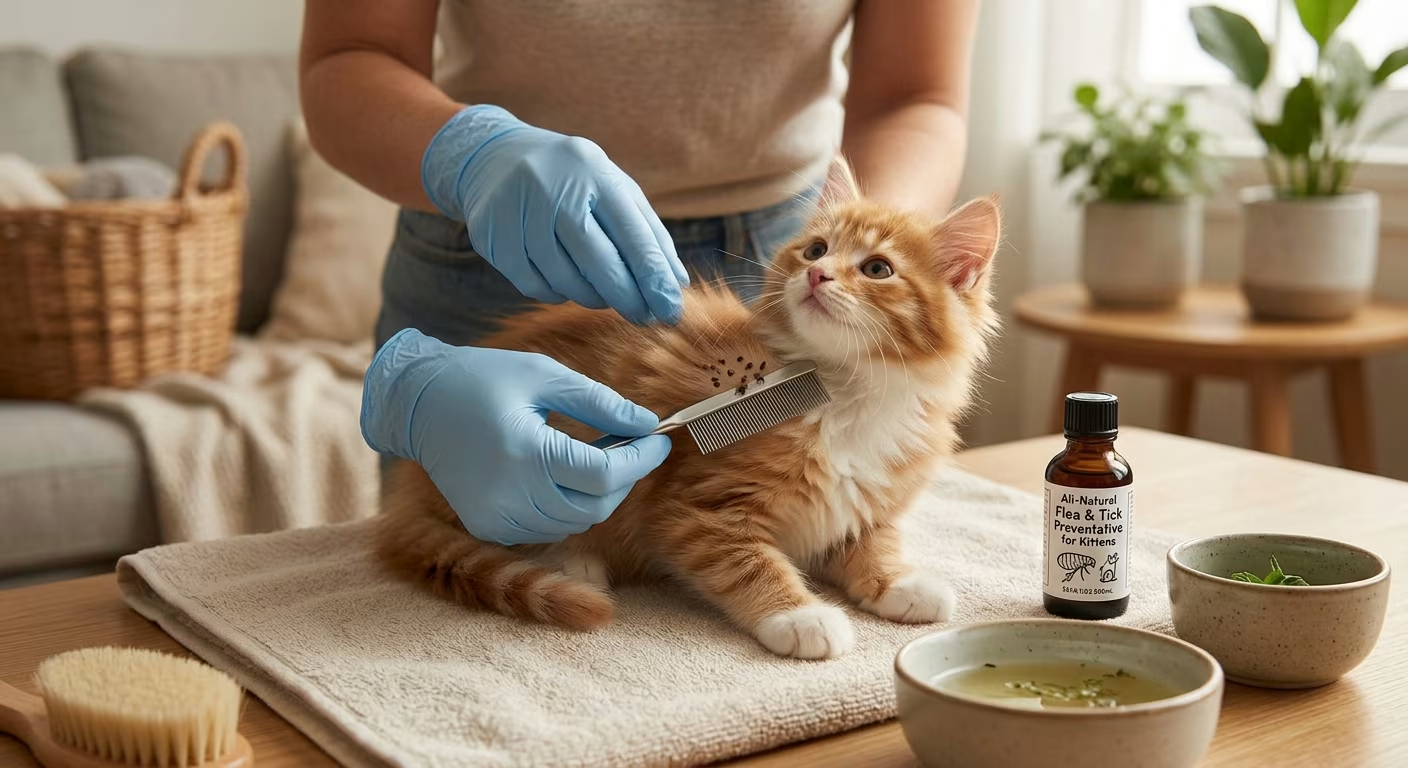
As someone who has spent years working with cats and kittens from fostering neonates to advising pet owners on parasite control I can tell you firsthand: discovering fleas on a tiny kitten is one of the most stressful moments for any cat caregiver. That racing heartbeat when you spot something crawling in that soft fur? I’ve been there. The good news is, with the right approach, you can handle it safely and effectively. Let me walk you through exactly what to do.
Why Fleas Are Especially Dangerous for Kittens
Most people think of fleas as just an itchy nuisance but for kittens, they can be life-threatening. Because kittens are tiny and still developing, flea infestations can become serious more quickly than they do in adult cats, which is why it’s important to kill fleas quickly using a kitten-safe method and to provide ongoing parasite prevention.
Fleas are common parasites, but they can be especially dangerous for young kittens. Because kittens are so small, fleas can remove enough blood to cause anemia a condition where the body doesn’t have enough healthy red blood cells and severe flea infestations can quickly become life-threatening.
An infestation of fleas can cause severe itching, discomfort, tapeworms, and even a loss of blood that can lead to deadly anemia. Kittens are especially susceptible to dying of flea anemia due to their small size, so flea infestations should be taken seriously and treatment should not be delayed.
“I once fostered a two-week-old litter where the smallest kitten had gone pale around the gums within 48 hours of a flea infestation. It was a frightening reminder of how quickly things can escalate in tiny bodies.”
Signs Your Kitten Has Fleas
Before you treat, you need to confirm the problem. Here’s what to look for:
- Excessive scratching, biting, or grooming especially around the neck, ears, and tail base
- Flea dirt small black specks in the fur that turn reddish-brown when wet (that’s digested blood)
- Visible fleas fast-moving, dark brown insects darting through the fur
- Pale gums, lethargy, or rapid breathing signs of anemia in severe cases
Check the kitten for fleas by combing through the fur with your fingers or a flea comb. You may see active, live fleas small, dark brown bugs that quickly dart through the fur, seeking refuge in the cat’s face, belly, and armpits. Even if you don’t see live bugs, check for flea dirt the waste left behind by fleas which looks like small black flecks of dirt, especially along the back and base of the tail.
The Golden Rule: Treatment Depends on Age and Weight
This is the most important thing I want you to remember before you do anything else. Not all flea treatments are safe for all kittens.
Kittens’ bodies and immune systems are still developing, which makes them more sensitive to chemicals found in many flea products. Some ingredients that are safe for adult cats are toxic to kittens, especially those under 8 weeks old. Always choose flea treatments formulated and approved for kittens, and never use dog flea treatments on cats they can be fatal.
| Age | Safe Method | What to Avoid |
|---|---|---|
| Under 4 weeks (Neonatal) | Flea comb only; manual removal | All medications |
| 4 8 weeks | Flea comb + gentle dish soap bath; Capstar (4+ weeks, 2+ lbs, vet consult) | Topical spot-ons, flea collars, flea shampoos |
| 8 12 weeks (>2 lbs) | Vet-prescribed topicals (Revolution Plus, Frontline Plus, Advantage II) | Dog flea products, permethrin-based products |
| 12+ weeks | Medicated flea shampoos, monthly topicals, flea collars (10+ weeks for some) | Dog-labeled products |
Step 1 For Kittens Under 8 Weeks: Use a Flea Comb
For very young kittens under 8 weeks old, the safest option is using a flea comb on them once or twice a day. This will allow you to physically remove the adult fleas without exposing your young kitten to potentially toxic ingredients in products.
Here’s exactly how I do it and how you should too:
- Use a fine-toothed metal flea comb. Start at the head and work toward the tail, paying special attention to the base of the tail, as fleas often hide there.
- Dip the comb in a cup or bowl filled with hot soapy water to kill any fleas you find. Make sure to thoroughly dry the comb before using it again.
- Repeat this process once or twice daily until no more fleas are found.
Pro tip from experience: Do this over a white towel or in a sink so you can clearly see the fleas and flea dirt as you comb them out.
Step 2 Give Your Kitten a Safe Bath
A bath is one of the fastest ways to start getting rid of fleas on kittens. Most flea shampoos aren’t appropriate for very young kittens, but simply rinsing a kitten in warm water and dish soap will physically remove many adult fleas.
Follow this method carefully to keep bath time safe:
- Create a ring of soapy water around the kitten’s neck this acts as a barrier so that the fleas do not run up the body and onto the head. Wash the neck first, then work your way down the rest of the body, lathering with warm water and dish soap.
- Wash the entire body from the neck down, including between the toes, under the arms, and on the tail. Rinse completely with clean, comfortably warm water, then immediately towel dry the kitten.
- Spot clean the head with a washcloth, sponge, or cotton round and warm, soapy water. Avoid the eyes, ears, nose, and mouth.
- Place the kitten back into a warm environment immediately after the bath. Kittens can easily become chilled from a bath, and it is of utmost importance that the kitten be kept warm.
“In my experience, keeping a heating pad (on low, covered with a towel) nearby while bathing is a game changer. The moment you’re done drying, back onto the warmth they go.”
Try to complete the bath within 2 minutes to prevent your kitten from getting chilled or panicked. If your kitten is more than 12 weeks old, a cat flea and tick shampoo may be an option, but closely follow the instructions on the label.
⚠️ Important: Bathe kittens in lukewarm water with mild soap no more than twice a week bathing more frequently can damage your pet’s skin. Use gentle, non-medicated, fragrance-free soap or a natural baby shampoo.
Step 3 For Kittens 8 Weeks+: Vet-Recommended Flea Treatments
Once the kitten is 8 weeks old, it is safe to use more effective flea treatments prescribed by your veterinarian. Veterinarians can prescribe very effective flea treatments once kittens are 8 weeks old or so.
The most effective way to get rid of fleas is to use a flea treatment recommended by a veterinarian. Flea treatments for kittens come in a variety of forms, including topical solutions applied to the skin, oral pills and chewables, and flea collars.
Popular Vet-Approved Options:
- Revolution Plus A monthly topical flea treatment for kittens as young as 8 weeks old, weighing at least 2.8 pounds. Available by prescription, it provides all-in-one protection against fleas, ticks, ear mites, roundworms, hookworms, and heartworm disease.
- Frontline Plus Available without a prescription, it kills flea eggs, adult fleas, and flea larvae, in addition to ticks and chewing lice. It’s safe for use in kittens 8 weeks old weighing at least 1.5 pounds.
- Advantage II Safe for kittens 8 weeks old weighing at least 2 pounds, also available without a prescription, but does not kill ticks.
- Capstar Available without a prescription and is the only flea product safe for kittens as young as 4 weeks and weighing at least 2 pounds. The active ingredient is effective for 24 hours.
Always read the warnings and instructions carefully to ensure the flea product is safe and effective for your kitten. Do not use products that contain permethrin.
Flea treatments can quickly induce poisoning in kittens if too much product or the wrong product is used. The symptoms of flea control product toxicity in kittens can appear anywhere from one to 12 hours after administration and vary depending on the ingredients and dosage the kitten is exposed to.
Step 4 Treat Your Home: Don’t Skip This Step
This is where most people drop the ball. You can treat your kitten perfectly and still see fleas return within days because the home is still infested.
By the time you notice fleas on your kitten, it is likely that there is already a flea infestation in your home.
Adult fleas live on pets such as cats, feeding on blood and laying eggs in the fur. These eggs drop off in areas where the pet sits or sleeps and hatch into a larval stage. The larval stage then burrows down and encases itself in a cocoon to become the pupal stage, which can lie dormant for up to 6 months. Once stimulated by vibrations and movement nearby, the baby flea hatches from the cocoon and jumps onto a nearby pet, completing the whole cycle.
Here’s how to break the cycle at home:
- Vacuum thoroughly Thorough vacuuming is a must when it comes to getting rid of fleas. Since it’s sometimes impossible to completely treat fleas on kittens, regular deep cleaning is often the best way to keep fleas in check until cats are old enough to be safely treated. Use a vacuum with a high-quality HEPA filter to eliminate as many fleas and flea eggs as possible.
- Dispose of vacuum contents immediately Be sure to dump the vacuum bag or canister outside to keep the fleas out of your house.
- Wash all bedding Washing bedding and other infested items at high temperatures can kill most fleas and their eggs. Throwing things into the dryer after being laundered also helps.
- Treat all pets in the home Even if only one of your kittens has fleas, you’ll need to treat every pet in the home as if they also have them. Failure to do so can result in re-infestations.
- Ask your vet about home sprays Ask your veterinarian about pet-safe home or yard flea treatments if the infestation is severe.
What NOT to Do: Common Mistakes to Avoid
Over the years, I’ve seen well-meaning owners accidentally make things worse. Here’s what to steer clear of:
- ❌ Never use dog flea products on cats Never use a flea and tick treatment for dogs, as they can be deadly for cats of any age.
- ❌ Avoid essential oils Some types of essential oils (such as citrus, pine, ylang-ylang, peppermint, and cinnamon oil) can be hazardous to felines, even in small doses. Many natural flea medicines contain essential oils because they are effective against fleas, but it’s best to avoid usage altogether, especially while your feline friend is still young.
- ❌ Don’t use flea shampoos on kittens under 12 weeks Flea shampoos generally can’t be used until a kitten is over 12 weeks old.
- ❌ Don’t double up on flea products Flea treatments can take a while to completely rid your kitten of its issue, so be patient and never double up on doses.
- ❌ Don’t use hot or cold water for baths always use comfortably warm water to prevent hypothermia or burning.
Ongoing Prevention: Keep Fleas Away for Good
Preventing fleas on kittens is much easier (and less expensive) than having to eradicate an infestation. Kittens can typically begin flea protection at 8 weeks of age, though weight and overall health also play a role.
It’s important to use a flea and tick prevention product even if your kitten will never go outdoors, because human family members or dogs who do venture outdoors can bring fleas and ticks inside. That’s why it’s important to protect all animals in your household.
An effective flea prevention product will help avoid re-infestation, and washing your kitten’s bedding frequently in hot water will help kill any flea eggs. Your veterinarian will be able to prescribe the best flea prevention product.
“In my experience, the families who stay consistent with monthly prevention even through the winter never have to deal with full-blown infestations. Prevention truly is the best treatment.”
When to Call Your Vet Immediately
Some situations require professional help right away. Contact your veterinarian if you notice:
- Pale or white gums (sign of anemia)
- Lethargy or weakness
- Rapid breathing or difficulty breathing
- Symptoms of flea product toxicity (drooling, tremors, vomiting) put your kitten in a bath of lukewarm water and wash the product off using a gentle dish soap like Dawn, then call your veterinarian or local animal hospital for further instructions.
- Fleas not improving after 2 3 weeks of consistent treatment
Quick Recap: Your Kitten Flea Action Plan
| Step | Action | Frequency |
|---|---|---|
| 1 | Flea comb (all ages) | 1 2× daily |
| 2 | Dish soap bath (all ages) | Max 2× per week |
| 3 | Vet-approved topical or oral treatment (8 weeks+) | Monthly |
| 4 | Vacuum home thoroughly | 2 3× per week |
| 5 | Wash all pet bedding | Weekly (hot water) |
| 6 | Treat all pets in the household | Simultaneously |
Final Thoughts
Fleas on kittens are scary, but they are manageable when you act quickly and safely. The key is always to match your approach to your kitten’s age and weight, never to improvise with products meant for dogs or adult cats, and to treat both the kitten and the home at the same time. When in doubt, call your vet they are your best resource and will always help you find the safest, most effective solution for your specific situation.
You’ve got this. And so does your kitten.
References
- “How To Get Rid of Fleas on Kittens” PetMD, reviewed by veterinarians. Last updated May 29, 2026.
- “When To Start Flea and Tick Prevention for Kittens” PetMD, veterinarian-reviewed. Last updated May 1, 2026.
- “Fleas” Kitten Lady (Hannah Shaw, professional neonatal kitten rescuer). Accessed June 2026.
- “6 Best Flea Treatments for Kittens in 2026, Recommended by Vets” PetMD. Last updated January 5, 2026.
- “How To Get Rid of Fleas on Kittens: 7 Vet Approved Steps” Catster. Last updated June 19, 2025.