
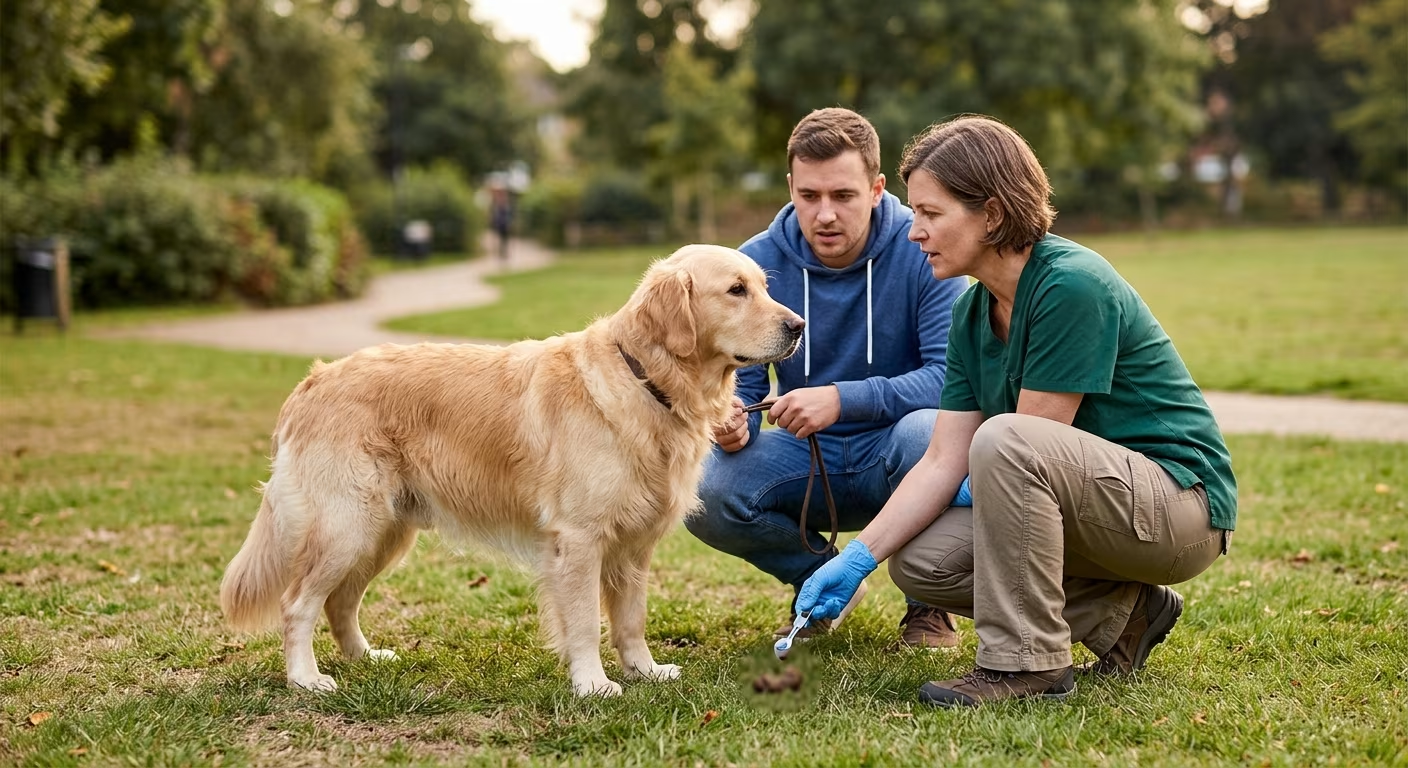
I’ve been working in veterinary practice for years, and one of the most common things dog owners say when they walk in is: “I noticed something slimy in my dog’s poop is that bad?” It’s a fair question, and honestly, it’s one of the best signs that you’re paying close attention to your dog’s health. So let’s break it all down simply, honestly, and from experience.
What Is Mucus in Dog Poop?
Mucus in dog poop is a jelly-like substance that is usually pale yellow or transparent gloopy and snotty, adhering closely to the stool. If you’ve ever seen what looks like a clear or slightly yellowish slime coating your dog’s poo, that’s it.
Here’s the thing: a normal and healthy gut will produce some mucus it’s the body’s natural way to lubricate the intestinal tract so stool can easily pass through. Mucus also lines the gut and acts as a protective layer, shielding it from bacteria, viruses, and toxins.
The concern starts when there’s too much of it. When there’s too much mucus, it could be a sign of digestive irritation or inflammation.
“Think of it like this: your dog’s gut is trying to protect itself. A little lubrication is normal. A lot of it is a distress signal.”
Is It Always Something to Worry About?
Not always and I want you to take a breath before you panic. Small amounts of mucus in dog poop can be normal, but persistent or excessive mucus may signal an underlying issue.
A single instance of mucus in otherwise normal stool may not be alarming if your dog seems healthy. But if it keeps happening? That’s when we need to dig deeper.
Here’s a quick reference table to help you gauge the situation:
| What You See | Likely Concern Level | Action |
|---|---|---|
| Tiny bit of clear mucus, dog acting normal | 🟢 Low | Monitor for a day or two |
| Mucus with soft stool, once or twice | 🟡 Moderate | Bland diet; call vet if persists |
| Mucus + diarrhea, multiple episodes | 🟠 High | See vet soon |
| Mucus + blood + vomiting + lethargy | 🔴 Emergency | Go to the vet immediately |
Common Causes of Mucus in Dog Poop
A variety of factors can lead to mucus in dog poop, ranging from stress and dietary changes to bacterial infections, diseases, and allergies and food intolerances. Let me walk you through the most common ones I see in practice.
1. Dietary Changes or Food Sensitivities
This is probably the number one cause I deal with. A client once switched their dog’s food overnight to a “healthier” brand, and within two days slimy stool everywhere. An abrupt diet change, particularly in a dog with a sensitive stomach, is a common trigger for colitis and mucus in the stool. When diet changes are made, this must be done gradually over several days.
Certain foods can trigger gut inflammation in some dogs. Some of the more common canine food triggers include dairy, chicken, beef, eggs, and grains.
My advice: Always transition foods over 7 10 days. Mix old and new food gradually, increasing the new food ratio slowly.
2. Colitis (Colon Inflammation)
“Mucus in a dog’s stool is typically a sign of colitis, which is when their colon is inflamed. This has many possible underlying causes like stress, recent and usually sudden diet change, dietary indiscretion, and intestinal parasites.”
Colitis is a generic term referring to inflammation of the colon. Based on the duration of clinical signs, colitis may be classified as acute or chronic (lasting at least 3 weeks).
3. Intestinal Parasites
By coming into contact with infected stool, soil, or water, your dog can contract gastrointestinal (GI) parasites, such as roundworms, hookworms, whipworms, and Giardia, which invade your pup’s intestines and irritate their sensitive GI lining.
Dogs can unknowingly ingest parasites from their environment, making parasite prevention an important part of their health routine. I can’t stress this enough regular fecal testing is something every dog owner should do at least once a year.
4. Bacterial or Viral Infections
E. coli, canine parvovirus, and salmonella all infect the gastrointestinal tract, often triggering diarrhoea, vomiting, inappetence, and mucus.
Viral, bacterial, and even fungal infections of the GI tract can cause signs such as mucus stool, diarrhoea, vomiting, bloating, and flatulence. Common causes include eating contaminated raw food or drinking from puddle water.
5. Stress Colitis
Dogs feel stress just like we do. I’ve had patients develop slimy stools after moving to a new home, being boarded, or even just from a loud thunderstorm. Yes, stress can cause diarrhea in dogs and this diarrhea may contain mucus. This is called stress colitis and can happen if a dog experiences physical (surgery, increased activity, trauma) or mental stress (boarding, veterinary visit, separation anxiety, moving, etc.).
6. Inflammatory Bowel Disease (IBD)
Canine IBD denotes a heterogeneous group of idiopathic, chronic, relapsing inflammatory disorders of the gastrointestinal tract that are immunologically-mediated. In cases such as IBD, mucus in the poop could wax and wane with relapses of the underlying condition.
While exact etiologies remain unknown, results from basic science and clinical studies suggest that interplay between genetic factors and enteric bacteria are crucial for disease development.
Warning Signs: When to Call the Vet Right Away
As a rule, I always tell dog owners: if you’re unsure, call. It’s never a bother. Here are the specific signs that mean you shouldn’t wait:
- If large amounts of mucus in the stool are accompanied by symptoms such as vomiting, bloody stool, collapse, lethargy, or abdominal pain, urgent veterinary attention is needed.
- Multiple slimy stools within 24 hours suggest an ongoing problem needing veterinary attention. Persistent mucus over several days, even without other symptoms, warrants a check-up.
- If your dog is very young or very old or has a pre-existing condition, speak with your vet immediately if you notice any mucus in their stool.
- It’s also important to seek veterinary advice if your dog shows additional symptoms such as decreased appetite, vomiting, lethargy, or noticeable changes in behavior.
Pro tip from experience: Take a photo of the stool before you clean it up. I know it sounds unpleasant, but it genuinely helps your vet make a faster and more accurate assessment.
What Your Vet Will Do
When you bring your dog in for this issue, here’s typically what happens:
Your veterinarian will take a complete health history and perform a physical exam. To determine the underlying cause, they may need to run a combination of diagnostic tests.
| Diagnostic Test | What It Checks For |
|---|---|
| Fecal analysis | Parasites, bacteria, abnormal cells |
| Blood work | Organ function, infection markers |
| Urinalysis | Rule out other systemic diseases |
| X-ray / Ultrasound | Structural abnormalities, masses |
| Colonoscopy / Biopsy | IBD, polyps, tumors (chronic cases) |
Treatment Options for Mucus in Dog Poop
The right treatment for mucus in your dog’s poop depends on the underlying cause. Some cases resolve on their own with dietary adjustments, while others require medications or veterinary care.
🥣 Dietary Management
Your vet may recommend feeding your dog bland foods like white rice, pumpkin supplements, or yogurt, or adding probiotics for canines to their diet. They may also recommend dog foods designed for sensitive stomachs.
For IBD cases, your veterinarian may recommend an easy-to-digest gastrointestinal diet, an ultra-low-fat diet, a novel protein diet, or a hydrolyzed diet. A novel protein diet contains a single protein source that is new to the dog.
💊 Medications
Based on the underlying cause, anti-diarrheal medication, immunosuppressants, or antibiotics may be prescribed. Probiotics can be a good addition to treatment plans for mucus in stool.
For parasites, you will need to treat parasites with a prescription dewormer, such as Interceptor Plus or Heartgard Plus. If Giardia is the culprit, your vet may prescribe Panacur, which can be more effective than traditional dewormers.
For IBD specifically, treatment involves both dietary and pharmacologic interventions as well as therapeutic manipulation of the enteric microbiota through the use of antibiotics and soluble fiber (prebiotic) supplements.
🦠 Probiotics
A small amount of mucus in the stool in an otherwise healthy dog does not require treatment with medications, but a probiotic supplement may help. Look for probiotic products designed specifically for dogs or ask your veterinarian for recommendations.
Prevention: What You Can Do at Home
I always say prevention is far kinder to your dog and your wallet than treatment. Here are practical steps you can take:
- Transition foods slowly: When diet changes are made, this must be done gradually over several days. For a pup, a transition period of a week is advised.
- Keep up with parasite prevention: Regular deworming and fecal tests are essential.
- Minimize stress: Stress colitis can happen if a dog experiences physical or mental stress such as boarding, veterinary visits, separation anxiety, or moving. Use calming tools and familiar routines to reduce anxiety triggers.
- Avoid dietary indiscretion: Garbage, table scraps, and random items dogs eat outside are common culprits. Keep a close eye on what your dog is sniffing and snacking on during walks.
- Regular vet check-ups: Early intervention prevents digestive issues from worsening.
Quick Summary: Key Takeaways
- ✅ A little mucus is normal it lubricates the gut.
- ⚠️ Persistent, excessive, or bloody mucus needs veterinary attention.
- 🔍 Common causes include diet changes, parasites, stress, infections, and IBD.
- 🧪 Diagnosis involves fecal tests, blood work, and sometimes imaging.
- 💡 Treatment ranges from bland diets and probiotics to prescription medications.
- 📞 When in doubt call your vet. It’s always the right move.
From my years of experience, the dog owners who notice the small things early like a little slime in the poop are the same ones whose dogs live longer, healthier lives. You’re already doing the right thing by being curious and informed.
References
- Merck Veterinary Manual “Colitis in Small Animals.” Merck & Co., Inc. Last reviewed June 2025.
- Jergens AE. “Inflammatory bowel disease in veterinary medicine.” Frontiers in Bioscience (Elite Edition), 2012. PubMed PMID: 22201965.
- VCA Animal Hospitals “Inflammatory Bowel Disease in Dogs.” VCA Inc. (Accessed June 2026).
- American Kennel Club “Colitis in Dogs: Signs, Symptoms, Treatment.” AKC. Updated January 2024.
- PetMD Veterinary-Reviewed Content “Mucus in Dog Poop.” PetMD. Updated August 2025.
- BluePearl Veterinary Partners “Practical Treatment of Inflammatory Bowel Disease.” BluePearl Pet Hospital. October 2023.