
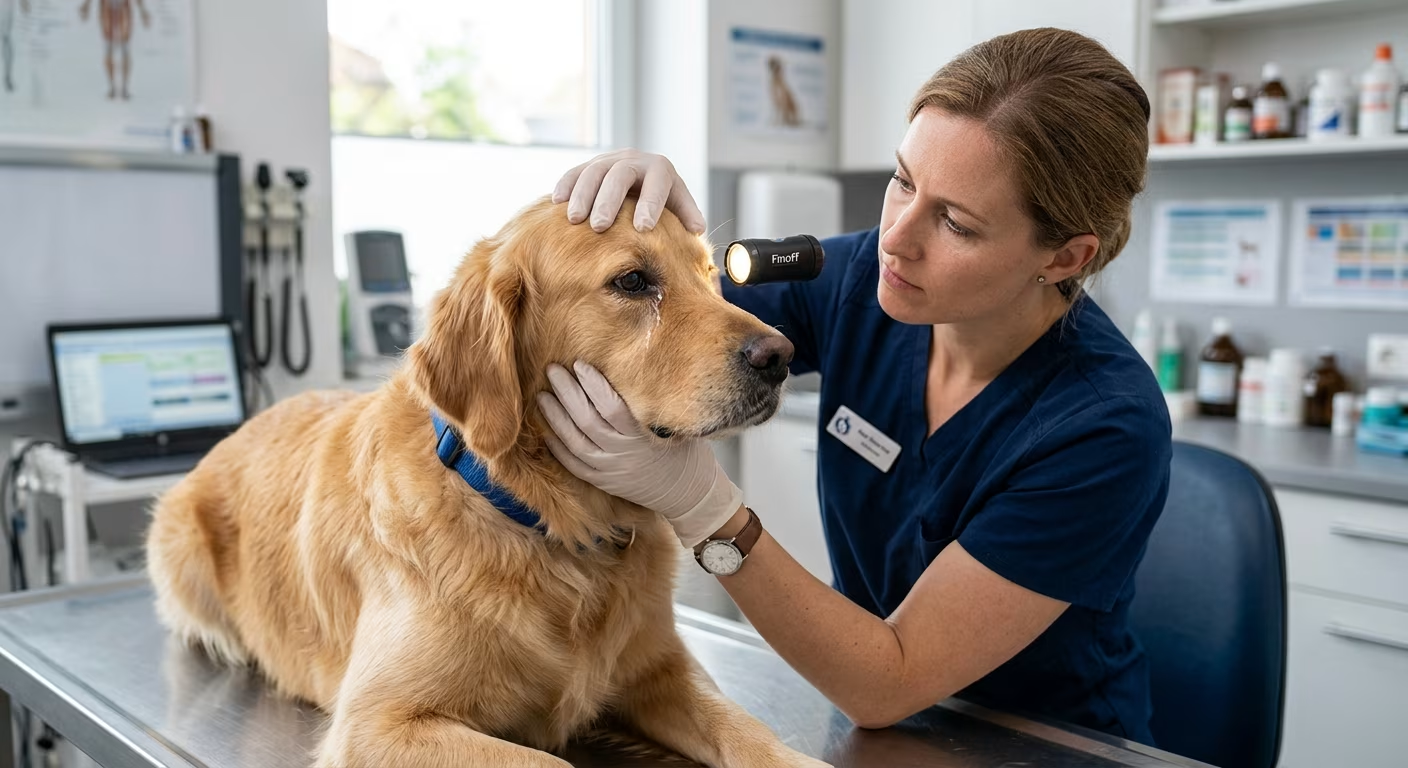
As someone who has worked with dogs and their owners for years, I can tell you that one of the most common questions I get is: “Is this gunk in my dog’s eye normal?” The honest answer? It depends. And knowing the difference can save your dog from pain or even blindness.
I remember a client who came in with a golden retriever named Biscuit. She’d noticed a little crust in the corner of his eye for a couple of weeks and assumed it was just “sleep” the same stuff she wipes off her own face every morning. By the time she brought him in, Biscuit had a corneal ulcer. Two more days and we might have been talking about permanent vision damage.
That’s why I wrote this guide. Not to scare you but to help you know what you’re looking at so you can make the right call, fast.
What Is Dog Eye Discharge?
Dog eye discharge is exactly what it sounds like: any fluid, crust, mucus, or goop that comes from your dog’s eyes. The medical term for excessive tearing is epiphora. But not all discharge means the same thing.
Eye boogers in dogs work similarly to how they do in humans while your dog sleeps, their eyes continue producing tears and mucus, which dry in the corners overnight. That’s completely normal. The problem starts when the color, amount, or consistency changes.
“Think of eye discharge like a traffic light. Clear and small = green. Watery and persistent = yellow. Yellow, green, or thick = red. Pull over and see your vet.”
The 5 Types of Dog Eye Discharge (At a Glance)
| Discharge Type | What It Looks Like | Likely Cause | Action Needed? |
|---|---|---|---|
| Clear / Watery | Tears running down the face | Allergies, irritants, blocked tear ducts | Monitor 1 2 days; vet if persistent |
| Tan / Brown Crust | Small crusty bits in the corner | Normal after sleep | No action needed if mild |
| White / Gray Mucus | Thick, sticky, grayish goop | Dry eye (KCS) | See vet |
| Yellow / Green | Thick colored pus-like discharge | Bacterial infection, conjunctivitis | See vet urgently |
| Reddish-Brown Staining | Rust-colored fur around eyes | Tear staining from porphyrins | Mostly cosmetic; clean regularly |
Normal vs. Abnormal: How to Tell the Difference
✅ What’s Normal
A small amount of crusty, tan-colored discharge in the inner corner of your dog’s eye after sleeping is completely normal. Think of it as the canine version of “sleep” in your own eyes. Your dog’s eye-cleaning system is doing its job flushing out dust, dead cells, and debris.
The key: small amount, consistent, not growing. If that’s what you see, a warm damp cloth wipe in the morning is all you need.
🚨 Warning Signs When to Act
Stop waiting and call your vet if you see ANY of the following:
- Discharge that is yellow, green, white, or blood-tinged
- Eyes that look red, cloudy, or swollen
- Your dog is squinting, pawing at their face, or rubbing on furniture
- Tearing so excessive it’s staining the fur around the eyes
- A visible film over the eye, or a swollen third eyelid (cherry eye)
- Discharge accompanied by sneezing, nasal discharge, or lethargy
Trust your gut. If something feels off about your dog’s eyes, it usually is.
Breaking Down the 5 Types in Detail
1. 💧 Clear, Watery Discharge (Epiphora)
Watery eyes are one of the most common things I see. Sometimes it’s nothing your dog just got a face full of pollen on a walk. But if it keeps going, it can signal something more serious like blocked tear ducts, corneal wounds, or even glaucoma.
Breeds like Pugs, French Bulldogs, and Shih Tzus are especially prone to this because their facial anatomy makes normal tear drainage harder. If your dog’s eyes are just a little more watery than normal but they seem comfortable, watch closely for a day or two. But if redness or pain develops, get to the vet.
2. 🟤 Normal Sleep Crust (Eye Boogers)
That tan or brownish crustiness you notice in the morning? Usually nothing to worry about. While your dog sleeps, their eyes still produce tears but without blinking, those tears dry in the corners. By morning, you’ll often see crusty buildup. A gentle wipe with a warm, damp cloth is all that’s needed.
I always tell owners: “If it looks the same every morning and your dog doesn’t seem bothered great. If it’s getting bigger or changing color call us.”
3. ⚪ White or Gray Mucus (Dry Eye / KCS)
This one catches a lot of people off guard. White or grayish, sticky mucus that keeps coming back sometimes ropy in texture is a classic sign of Keratoconjunctivitis Sicca (KCS), also known as dry eye.
In KCS, the immune system attacks and destroys the tear glands. Without enough tears, the eye compensates by producing excess mucus but it’s not a good substitute. Left untreated, KCS causes painful corneal ulcers and can lead to blindness.
Your vet will use a Schirmer Tear Test a simple, painless strip of paper placed inside the eyelid for one minute to measure tear production. Most dogs respond well to medicated eye drops like cyclosporine or tacrolimus, which help the eyes produce more tears and reduce inflammation.
4. 🟡 Yellow or Green Discharge (Infection)
This is the one that should send you straight to the phone. Yellow or green discharge especially with redness, squinting, or obvious discomfort almost always means infection. It can be bacterial conjunctivitis, or it can develop secondary to another condition like dry eye or a corneal scratch.
Here’s something important: some infections can be contagious. Viral or bacterial conjunctivitis can spread between pets in the same household. If one dog has it, keep them separated and don’t share food bowls, bedding, or toys until they’re cleared.
Never use leftover eye drops from a previous condition medication that helped once can actually make a different condition worse.
5. 🟫 Reddish-Brown Tear Staining
You’ve probably seen this on white or light-colored dogs a rust-colored stain around the inner corners of the eyes. It looks alarming, especially if you mistake it for blood, but it’s actually caused by a pigment called porphyrin, which darkens when exposed to air.
Tear staining is mostly cosmetic. It’s most common in breeds like Maltese, Bichon Frises, Poodles, Chihuahuas, and Pugs. Regular cleaning and keeping the fur around the eyes trimmed helps manage it. However, if staining suddenly increases, that warrants a vet check it may indicate a blocked tear duct or eyelid abnormality.
Common Causes of Dog Eye Discharge
- Conjunctivitis (Pink Eye): Inflammation of the eye lining caused by bacteria, viruses, allergies, or irritants. Signs include redness, mucus, and squinting. Can affect one or both eyes.
- Allergies: Environmental allergens like pollen, grass, mold, and dust can trigger watery eyes. Seasonal flare-ups are especially common in spring and fall.
- Corneal Ulcers: Scratches from rough play, debris, or foreign objects can injure the eye surface. These are painful and require immediate care.
- Dry Eye (KCS): Immune-mediated destruction of tear glands leading to insufficient tear production.
- Blocked Tear Ducts: When drainage is blocked, tears overflow and create staining and chronic discharge.
- Glaucoma: Increased eye pressure causing pain, redness, and watery discharge a veterinary emergency.
- Foreign Objects: Grass seeds, sand, or dust can get trapped under an eyelid, causing sudden discharge and discomfort.
- Structural Abnormalities: Conditions like entropion (eyelids rolling inward) cause lashes to chronically rub the eye surface.
Breed Spotlight: Dogs More Prone to Eye Issues
| Breed Type | Examples | Common Eye Issue |
|---|---|---|
| Brachycephalic (flat-faced) | Pug, French Bulldog, Shih Tzu, Boston Terrier | Excessive tearing, epiphora, corneal exposure |
| Light-colored / long-haired | Maltese, Bichon Frise, Poodle | Visible tear staining, chronic tearing |
| Prominent eyes | Chihuahua, Cavalier King Charles Spaniel | Increased tearing, injury risk |
| KCS-prone breeds | Cocker Spaniel, West Highland Terrier, Bulldog | Dry eye (KCS), thick mucus discharge |
If your dog is one of these breeds, I recommend making eye checks part of your weekly routine not just when something seems wrong.
What Your Vet Will Do: The Diagnostic Process
When you bring your dog in for eye discharge, here’s what a thorough vet visit typically looks like:
- Full history: How long has this been going on? Has it changed? Any other symptoms?
- Physical examination: Your vet will check your dog’s overall health, not just their eyes.
- Ophthalmological exam: Special lights and equipment to examine the eye surface and interior.
- Schirmer Tear Test: Measures tear production to rule out dry eye.
- Fluorescein stain: A special dye that highlights corneal ulcers or injuries on the surface.
- Tonometry: Checks eye pressure to screen for glaucoma.
Based on findings, your vet may also refer you to a veterinary ophthalmologist a specialist with advanced training in animal eye conditions for complex cases.
Treatment Options
Treatment depends entirely on the cause. Here’s a general overview:
- Antibiotic eye drops or ointments for bacterial infections
- Antiviral medications for viral infections like canine distemper
- Antihistamines or allergy medications for allergy-related discharge
- Cyclosporine or tacrolimus drops for dry eye (KCS) to stimulate tear production
- Artificial tears and lubricating drops for dry eye management
- Anti-inflammatory medications for corneal injury or inflammation
- Surgical intervention for structural abnormalities, blocked tear ducts, or severe unresponsive cases
One thing I stress to every client: never use over-the-counter human eye drops on your dog without veterinary instruction. Drops formulated for humans can worsen certain dog eye conditions significantly. And please finish the full course of any prescribed medication, even when the eye looks better. Problems in the eye can decline rapidly if treatment is stopped early.
Safe Home Care Tips (While You Wait for Your Vet Appointment)
- Wipe gently: Use a clean, moistened cotton ball to wipe away discharge. Use a fresh cotton ball for each eye to avoid cross-contamination.
- Keep the area clean: Use a pet-safe eye wipe or damp cloth to clean around the eyelids and corners. Avoid touching the eyeball itself.
- Trim fur around the eyes: Long hair around the eyes can trap debris and irritate them further. Ask your groomer to keep that area neat.
- Don’t let your dog rub their eyes: If your dog is pawing at their face, an Elizabethan collar (cone) can prevent further damage while you wait for treatment.
- Observe for other symptoms: Note any changes in behavior, appetite, or other signs of illness your vet will want to know.
Important: Do NOT apply any topical ointment or eye drops unless specifically instructed by your veterinarian.
Prevention: Keeping Your Dog’s Eyes Healthy
- Schedule regular wellness checkups early detection of subtle eye changes prevents future complications
- Keep your dog’s face and eye area clean and groomed
- Rinse eyes after hikes or outdoor play to remove dust, seeds, and allergens
- Watch for seasonal allergy triggers pollen in spring, mold in fall, dry air in winter
- If one pet has an eye infection, separate them from other animals and sanitize shared items
- For flat-faced breeds, work with your vet on a breed-specific eye care routine
Frequently Asked Questions
Is dog eye discharge contagious to humans?
Conjunctivitis caused by a virus or bacteria can potentially be passed between dogs and humans, though this is very rare. If your dog has an active eye infection, wash your hands thoroughly after touching their face and avoid letting them lick near your eyes.
Can dog eye discharge clear up on its own?
Mild, clear discharge from a brief irritant (like dust or pollen) can sometimes resolve on its own within a day or two. However, colored, thick, or persistent discharge will not resolve without treatment and waiting too long can lead to serious complications including corneal scarring and vision loss.
How often should I clean my dog’s eyes?
Daily gentle cleaning is a good habit, especially for breeds prone to discharge. A warm damp cloth in the morning is usually sufficient for routine maintenance.
My dog’s eyes are red but there’s no discharge. Should I worry?
Yes red eyes without discharge can still indicate conjunctivitis, glaucoma, or corneal injury. It warrants a vet call even without visible goop.
Final Thoughts
Your dog can’t tell you when their eyes hurt. They can’t say “hey, this has been bothering me for a week.” That’s why you are their best advocate. A quick look at your dog’s eyes every morning literally 10 seconds is one of the simplest and most effective things you can do for their long-term health.
When in doubt? Call your vet. Eye conditions can move fast, and early treatment makes all the difference between a quick fix and a complicated, expensive problem.
Your dog’s eyes are depending on you. Trust what you see and don’t wait.
References
- Keratoconjunctivitis Sicca (KCS) in Dogs Cornell University College of Veterinary Medicine, Riney Canine Health Center. Last reviewed 2024.
- Conjunctivitis in Dogs VCA Animal Hospitals. Reviewed by veterinary professionals.
- Keratoconjunctivitis Sicca (KCS) or Dry Eye in Dogs VCA Animal Hospitals. Reviewed by veterinary professionals.
- Dry Eye (Keratoconjunctivitis Sicca) American College of Veterinary Ophthalmologists (ACVO). Updated 2023.
- Immune-Mediated Keratoconjunctivitis Sicca in Dogs: Current Perspectives on Management PMC / National Library of Medicine. Published 2018.
- Eye Discharge in Dogs Maddie’s Fund. Veterinary-reviewed resource.