
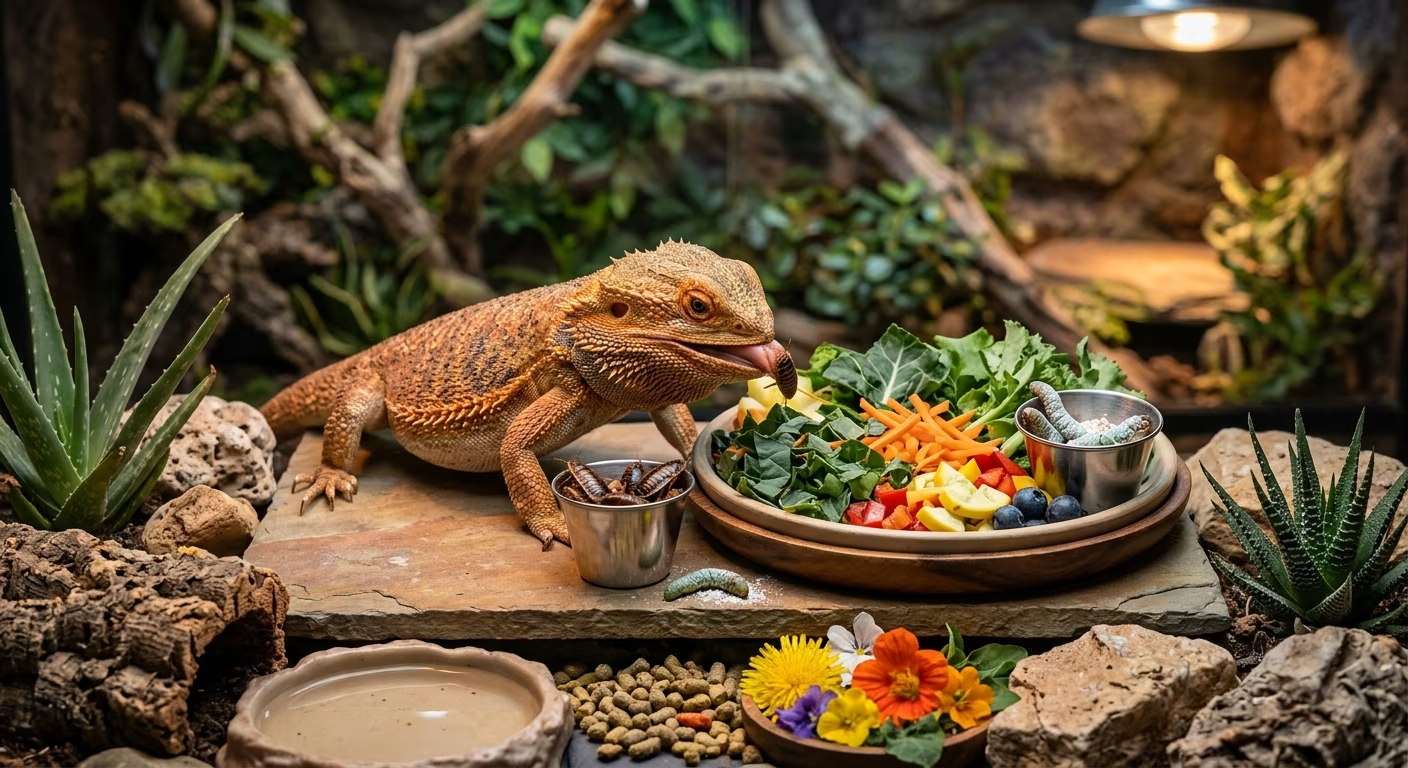
I still remember the first time I held a baby bearded dragon she was barely the size of my palm, and I had absolutely no idea what to feed her. I’d done some reading, but nothing quite prepared me for the real-world nuances of keeping a beardie well-fed and healthy. Over the years of working with reptiles, I’ve learned that diet is everything for these little creatures. Get it right, and your dragon thrives. Get it wrong, and you’re dealing with a vet bill or worse.
So whether you’ve just brought home your first beardie or you’re a seasoned keeper looking to level up, this guide covers everything you need to know about what bearded dragons eat broken down by age, food type, and practical feeding tips you can use today.
🦎 Are Bearded Dragons Omnivores?
Yes and this is the first thing every owner needs to understand. Bearded dragons are not purely meat-eaters, nor are they strictly herbivores. They eat both. Bearded dragons are omnivores, which means they need to eat both insects and vegetables to be healthy. In the wild, as omnivores, bearded dragons eat a variety of insects, flowers, fruit, veggies, and the occasional rodent or lizard.
Think of their diet like a dynamic balance that shifts as they grow. A baby beardie needs more protein to fuel rapid development. An adult beardie is more like a salad-loving senior mostly plants with some insect protein on the side.
📊 Bearded Dragon Diet by Age: The Big Picture
The single most important concept in bearded dragon nutrition is this: their diet changes dramatically with age. What works for a 2-month-old hatchling will actually be harmful to a 2-year-old adult.
| Age | Insects (Protein) | Plants (Veggies/Greens) | Feeding Frequency |
|---|---|---|---|
| Hatchling (<1 month) | 60 80% | 20 40% | 2 3x daily |
| Juvenile (1 12 months) | 50 80% | 20 50% | 1 2x daily |
| Adult (>12 months) | 20% | 80% | Insects 2 3x/week, veggies daily |
Young bearded dragons under 12 months need a diet that’s about 50 percent insects and 50 percent plant matter they need the added protein to grow and develop properly. On the flip side, for adult bearded dragons, it is recommended their overall diet consist of around 80% plant matter and 20% insects, with the exact ratio depending on your dragon’s individual needs.
“The most common mistake I see new owners make is continuing to feed adults like juveniles loads of insects, not enough greens. It leads to obesity, gout, and a shorter life. Trust me, your beardie doesn’t know what’s good for them you do.”
🐛 What Insects Can Bearded Dragons Eat?
Live insects are the best protein source for bearded dragons, as the movement triggers their natural hunting instinct. The activity of catching prey provides mental stimulation along with nutrition. I always recommend live feeders for this reason it keeps your beardie mentally sharp and physically active.
Best Staple Insects (Use Regularly)
- Dubia Roaches My personal favourite. High protein, low fat, easy to gut-load.
- Crickets Widely available and nutritious; just be sure to gut-load them first.
- Black Soldier Fly Larvae (Calci Worms) Naturally high in calcium. Great for bone health.
- Silkworms & Hornworms Also nutritious choices according to veterinary sources.
Occasional Treat Insects (Use Sparingly)
- Waxworms High in fat. Think of them like candy. Once in a while is fine.
- Superworms (Mealworms) Waxworms and superworms should not be offered daily because they are high in fat and tend to cause your beardie to become overweight.
⚠️ Insects to NEVER Feed
- Wild-caught insects Do NOT feed wild-caught insects, as they often contain parasites.
- Fireflies / Glowing insects Toxic. Never offer these under any circumstances.
Size rule: Insect size should be no larger than the space between your bearded dragon’s eyes. This is a golden rule ignore it and you risk impaction, a potentially fatal digestive blockage.
The Secret Weapon: Gut-Loading
Gut-loading means feeding the insects nutritious foods before offering them to your bearded dragon, which passes those nutrients along to your pet. Gut-loading is where insects are fed a diet high in calcium 24 72 hours prior to being fed to your dragon. I gut-load my crickets with collard greens, carrots, and a commercial insect diet and the difference in my dragons’ health has been remarkable.
🥬 What Vegetables Can Bearded Dragons Eat?
Vegetables should form the backbone of an adult beardie’s diet. Their diet should consist of 50% dark leafy greens, 20% grated or chopped vegetables, 25% animal matter and a maximum of 5% fruits.
Leafy greens such as collard greens, mustard greens, and dandelion greens are excellent choices for bearded dragons. These vegetables not only offer hydration but also aid in digestion and overall gut health.
Best Daily Vegetables ✅
- Collard greens
- Mustard greens
- Dandelion greens (leaves and flowers)
- Turnip greens
- Bell peppers (any color)
- Butternut squash
- Sweet potato (occasional)
- Kale (in moderation)
Vegetables to Avoid ❌
- Iceberg/Head Lettuce Avoid fiber-rich, nutrient-poor, and vitamin-deficient light green vegetables, including celery and iceberg or head lettuce, as these are mainly composed of fiber and water with little nutrient value.
- Spinach Spinach and beet greens contain oxalates that bind calcium; spinach in particular should be avoided entirely given how many better alternatives are available.
Pro tip from experience: Beardies can eat as many veggies as they want, all day, every day so you never have to worry about your reptile growing fat from these garden goodies. This is one area where you truly cannot overfeed.
🍓 What Fruits Can Bearded Dragons Eat?
Fruits are the dessert of a beardie’s diet enjoyable, but to be given sparingly. A bearded dragon’s diet should be made up of approximately 10% fruit items. Fruit should be fed sparingly because it has high sugar and water content, which can cause a laxative effect if fed too frequently.
Safe Fruits (Occasional Treats) ✅
- Strawberries, blueberries, raspberries
- Mango, papaya, melon
- Peach, pear, apple (peeled)
- Watermelon, figs, apricots
Safe fruits include strawberries, blueberries, raspberries, blackberries, mango, papaya, peach, pear, melon, grapes, and apple.
Fruits to Avoid ❌
- Citrus fruits Citrus fruits should be avoided the high citric acid content can cause digestive irritation.
- Avocado Avocado is toxic and should never be offered.
I use fruit as a training tool. Draping a blueberry or a thin slice of mango over a pile of collard greens is one of the best tricks I know for getting a stubborn juvenile to start eating their veggies. It works like a charm.
💊 Supplements: The Non-Negotiable Part of Beardie Care
This is where many first-time owners fall short and it leads to one of the most devastating preventable diseases in pet bearded dragons.
Metabolic bone disease (MBD) is one of the most common and preventable diseases in pet bearded dragons. It is typically caused by calcium deficiency, inadequate UV-B lighting, improper diet, or a combination of these factors.
If your bearded dragon has weak legs, a soft jaw, tremors, or difficulty climbing, metabolic bone disease may be a concern.
What Supplements Does Your Beardie Need?
| Supplement | Purpose | How to Use |
|---|---|---|
| Calcium Powder | Bone health, muscle function | Dust insects before feeding |
| Vitamin D3 | Calcium absorption | Combined with calcium, 3x/week |
| Multivitamin | Overall health | Once or twice a week |
The best way to ensure your dragon is getting enough calcium is to “gut-load” all insects before feeding. Gut-loading is where insects are fed a diet high in calcium 24 72 hours prior to being fed to your dragon. “Dusting” insects with powdered calcium supplements can provide additional calcium, but is not a substitute for appropriate gut-loading.
Bearded dragons require heat and UVB lighting to metabolize Vitamin D3, which is essential for their bone health. So even if your supplement game is perfect, without proper UVB lighting, your dragon cannot absorb that calcium effectively. These two things go hand-in-hand.
💧 Hydration: Don’t Overlook Water
Bearded dragons come from arid Australian environments and are adapted to low water availability, but they still need consistent hydration in captivity. Most of their water intake comes from the vegetable content of the diet another reason why the plant component of the adult diet matters so much.
Here’s what works in practice:
- Provide a shallow water dish at all times and change it daily.
- A brief warm bath twice a week 10 minutes at around 90°F stimulates drinking, aids shedding, and supports digestion.
- Mist fresh vegetables lightly before offering them. The water droplets are often sipped directly.
⏰ How Often Should You Feed Your Bearded Dragon?
Feeding frequency is directly tied to age. Here’s a simple breakdown:
- Hatchlings (<1 month): Feed 2 3x daily with flightless fruit flies, pinhead crickets (gut-loaded), and mashed vegetables.
- Juveniles (1 4 months): Feed 2x daily with crickets, veggies, and occasional mealworms.
- Adults (>12 months): Feed insects 2 3x per week, with vegetables offered daily.
One practical tip I always share: to avoid overfeeding and the growth of mold on uneaten food, it’s recommended to provide insects for 10 minutes and remove any leftovers. Leave fruits and vegetables in the enclosure for approximately 30 minutes.
🚫 Foods That Are Dangerous or Toxic to Bearded Dragons
Knowing what not to feed is just as important as knowing what to feed. Here’s a quick reference:
| Food | Why It’s Dangerous |
|---|---|
| Avocado | Toxic never feed |
| Fireflies / Glowing Insects | Contain toxins fatal to bearded dragons |
| Wild-caught insects | Carry parasites and pesticides |
| Citrus fruits | Citric acid causes digestive irritation |
| Spinach / Beet greens | Oxalates bind calcium, preventing absorption |
| Iceberg lettuce | Nutritionally empty; causes diarrhea |
| Raw chicken / seasoned meats | Salmonella risk; high phosphorus and fat |
✅ Quick-Reference: Bearded Dragon Diet Do’s and Don’ts
- ✅ Gut-load and dust insects before every feeding
- ✅ Offer a variety of dark leafy greens daily
- ✅ Use fruits as occasional treats only (<10% of diet)
- ✅ Provide UVB lighting for proper calcium absorption
- ✅ Always offer fresh, clean water in a shallow dish
- ❌ Never feed wild-caught insects
- ❌ Never feed avocado, fireflies, or citrus
- ❌ Don’t overfeed fatty insects like waxworms daily
- ❌ Don’t rely solely on commercial pellets
- ❌ Never feed bearded dragon foods designed for other animals
🩺 When to See a Vet
Seek help from your nearest exotic veterinarian if your dragon becomes lethargic, stops eating for more than 1 2 days (adults only), stops defecating, or if stools appear abnormal for example, watery, foul-smelling, or discolored.
Also consult a vet if you notice signs of MBD: weakness in the legs, a soft jaw, tremors, or difficulty moving. Although metabolic bone disease is so common amongst reptiles, it’s relatively easy to prevent with proper care. Early action makes all the difference.
Final Thoughts
Feeding a bearded dragon well isn’t complicated but it does require consistency and a little knowledge. The big takeaways from years of working with these amazing animals: match the diet to the age, prioritize dark leafy greens for adults, always gut-load your insects, and never skip the calcium supplement. Do those things, and your beardie will reward you with years of good health and a personality bigger than their enclosure.
Have questions about your specific dragon’s diet? Drop them in the comments below I read every one and I’m happy to help. And always remember: when in doubt, call your exotic vet.
References
- How To Feed Your Bearded Dragon NC State University College of Veterinary Medicine Veterinary Hospital. Last updated November 15, 2024. https://hospital.cvm.ncsu.edu/services/small-animals/nutrition/how-to-feed-your-bearded-dragon/
- Metabolic Bone Disease in Bearded Dragons Washington State University Veterinary Teaching Hospital. Published January 2, 2026. https://hospital.vetmed.wsu.edu/2026/01/02/metabolic-bone-disease-in-bearded-dragons/
- Feeding Bearded Dragons VCA Animal Hospitals. https://vcahospitals.com/know-your-pet/bearded-dragons-feeding
- What Do Bearded Dragons Eat? PetMD (reviewed by Dr. Sean Perry, DVM). Last updated March 27, 2024. https://www.petmd.com/reptile/nutrition/what-do-bearded-dragons-eat
- Understanding Metabolic Bone Disease in Reptiles INVMA. Published August 6, 2024. https://invma.org/understanding-metabolic-bone-disease-in-reptiles/