
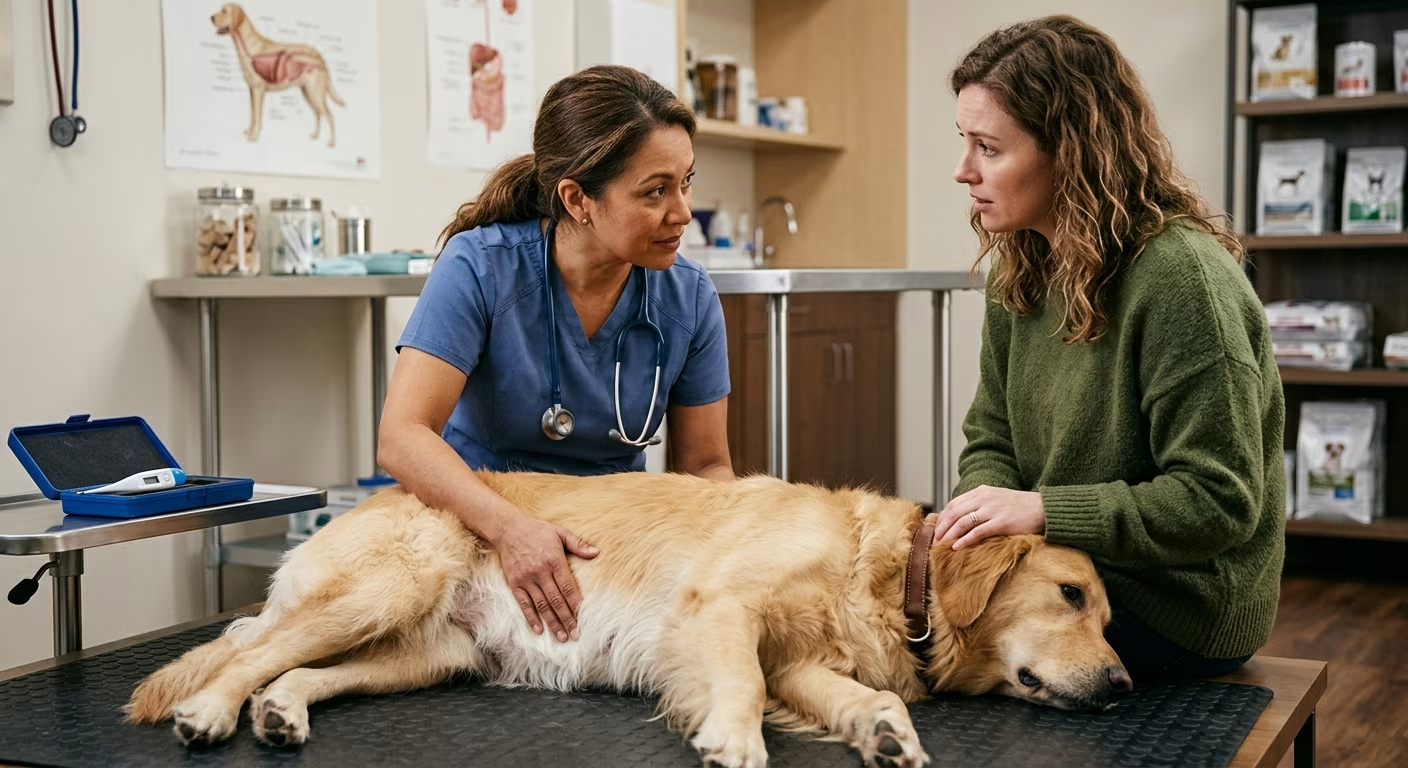
From harmless hunger rumbles to serious warning signs know the difference and keep your dog safe.
I remember the first time my dog Max’s stomach let out a sound so loud it made both of us jump. It was late at night, he was lying next to me on the couch, and suddenly gurrrgle, swoosh, rumble. I sat up in a panic. Was he sick? Was something wrong? Should I rush to the emergency vet?
After years of working with dogs and their owners, I can tell you: you are not alone. That stomach noise has a real name borborygmi and understanding what’s behind it could be one of the most useful things you learn as a dog owner.
This article will walk you through everything you need to know: what those noises mean, what causes them, when you can relax, and when you absolutely need to pick up the phone and call your vet.
🔬 What Is Borborygmi? The Science Behind That Gurgling Sound
That rumbling, gurgling, sloshing sound coming from your dog’s belly is officially called borborygmi (pronounced bore-bore-IG-mee). It sounds fancy, but it’s actually just the noise your dog’s digestive system makes while doing its job.
Specifically, borborygmi is the sound produced when gas and fluid move through the gastrointestinal (GI) tract during the process of peristalsis the rhythmic muscle contractions that push food, water, and gas through the stomach and intestines. The GI tract includes the stomach, small intestine, and large intestine, each lined with smooth muscle that squeezes and relaxes to keep digestion moving.
Think of it like water moving through pipes in your house. A little sound is completely normal it just means the plumbing is working.
“Borborygmi occur when gas moves throughout the gastrointestinal tract during normal peristalsis and is typically not concerning.”
Veterinary expert quoted at Care.com
In most cases, those gurgles are simply a sign that your dog’s digestive system is doing exactly what it’s supposed to do. It happens to every dog, every day just like it happens to you.
🐶 Common Causes of Dog Stomach Gurgling
Now that we know what borborygmi is, let’s look at why it happens. Some causes are totally harmless; others need attention.
1. Normal Digestion
This is the most common cause and it’s nothing to worry about. Muscle contractions in the gut naturally create noise, especially right after meals. If your dog just ate and you hear rumbling, that’s just good digestion at work.
2. Hunger
An empty stomach is a noisy stomach. When your dog hasn’t eaten in a while, digestive juices are still released in preparation for the next meal, and gas moves through an empty tract creating louder-than-usual rumbles. An empty belly often makes slightly louder noises than a full one, simply because there’s no food to absorb the sound.
Quick fix: Try feeding your dog smaller meals more frequently throughout the day instead of one big meal.
3. Eating Too Fast or Swallowing Air
Dogs that bolt down their food often swallow a lot of air along with it. Panting and exercise can also cause gas to build up in the GI tract. The result? Extra-loud gurgling. I had a Labrador patient named Biscuit who sounded like a submarine after every single meal purely because she inhaled her food in under 30 seconds flat.
4. Dietary Changes or Indiscretion
Did your dog eat something from the trash? Sneak a bite of your pizza? Switch to a new food brand? Any abrupt change in diet can trigger a noisy, upset stomach. When you switch foods too quickly, the gut needs time to adjust to new ingredients. The digestive system essentially “protests” the change with gurgles, gas, and sometimes loose stool.
Pro tip: Always transition to a new food over 7 10 days, gradually mixing the old and new food together.
5. Excess Gas
Gas happens especially in certain breeds like Bulldogs, Boxers, and Pugs. Excessive gas in the gastrointestinal tract causes louder or more frequent gut sounds and can lead to increased intestinal activity and contractions.
6. Gastrointestinal Upset or Gastroenteritis
When the lining of the stomach and intestines becomes inflamed (a condition called gastroenteritis), digestion is disrupted and the rumbling gets louder and more frequent. This can be triggered by eating something spoiled, an infection, parasites, or stress. You’ll usually see other symptoms alongside the gurgling.
7. Inflammatory Bowel Disease (IBD)
Just like in people, dogs can suffer from Inflammatory Bowel Disease (IBD) a chronic condition where the gut lining stays inflamed over time. The gurgling you hear may be one of IBD’s earliest signs, often accompanied by chronic vomiting and diarrhea. If symptoms keep coming back, it’s worth discussing with your vet they may suggest an ultrasound or biopsy to look for inflammatory markers.
8. Intestinal Parasites or Infections
Internal parasites like roundworms, hookworms, and Giardia can disrupt digestion and cause increased intestinal noise. Bacterial infections such as Salmonella can also trigger a noisy, upset gut. These require veterinary diagnosis and treatment.
Quick Reference: Causes at a Glance
| Cause | Severity | Action Needed? |
|---|---|---|
| Normal digestion | ✅ Normal | None |
| Hunger | ✅ Normal | Feed more frequent meals |
| Eating too fast / swallowing air | ⚠️ Mild | Use a slow-feeder bowl |
| Dietary change or indiscretion | ⚠️ Mild Moderate | Bland diet, monitor 24 48 hrs |
| Gastroenteritis | ⚠️ Moderate | Vet visit if symptoms persist |
| IBD / chronic GI disease | 🔴 Moderate Serious | Veterinary diagnosis required |
| Intestinal parasites / infection | 🔴 Serious | Vet visit required |
| Bloat / GDV | 🚨 Emergency | Emergency vet immediately |
⚠️ When to Worry: Warning Signs to Watch For
Here’s the truth I share with every dog owner I work with: the gurgling itself is rarely the problem it’s what comes with it that matters.
A single dog tummy rumble in an otherwise happy, energetic dog who just ate? Totally fine. But certain combinations of symptoms tell a very different story.
🟢 Probably Nothing to Worry About If:
- The gurgling is occasional and mild
- Your dog is eating, drinking, and behaving normally
- Your dog has normal energy levels
- No vomiting, diarrhea, or signs of pain
- The sounds happen around mealtime or after eating
🔴 See Your Vet Soon If:
- Gurgling is frequent or getting louder over time
- Your dog has loose stools or diarrhea
- Vomiting has happened once or twice
- Your dog seems lethargic or “off”
- Your dog is eating less than usual
- Symptoms last more than 24 hours
🚨 Go to Emergency Vet Right Now If:
- Stomach is visibly swollen or distended
- Your dog is retching or dry-heaving with no vomit produced
- Pale or white gums
- Signs of severe pain hunched posture, whining, pacing
- Rapid breathing, weakness, or collapse
- Blood in vomit or stool
I cannot stress this enough if your dog has a swollen belly and is trying to vomit but can’t, do not wait. That is a potential GDV emergency and minutes matter.
🚨 Bloat & GDV The Emergency You Must Know About
Let’s talk about the one cause of stomach gurgling that is a true, life-threatening emergency: Gastric Dilatation-Volvulus (GDV), commonly called bloat.
GDV develops when the stomach becomes abnormally distended with gas, food, or fluid and then rotates on itself. This twisting traps stomach contents, restricts blood flow to the stomach and surrounding organs, and interferes with normal circulation throughout the body. Without urgent intervention, GDV can be fatal in a very short period of time.
Who Is Most at Risk?
While any dog can develop GDV, large and giant breeds with deep chests are at the highest risk including Great Danes, German Shepherds, Standard Poodles, Weimaraners, Dobermans, and Saint Bernards. Certain behaviors also increase risk: rapid eating, consuming large meals, and exercising too close to feeding times.
Signs of GDV Act Immediately
- Restlessness and inability to get comfortable
- Unproductive retching (trying to vomit but nothing comes up)
- Visibly distended or hard abdomen, especially on the left side
- Excessive drooling
- Rapid breathing or difficulty breathing
- Pale or white gums
- Weakness or collapse
If you suspect GDV, call your nearest 24/7 emergency veterinary hospital immediately and tell them you’re coming with a suspected bloat case so they can prepare.
🏠 What You Can Do at Home for Mild Stomach Gurgling
For mild cases your dog is acting normally but their stomach is noisy and maybe a little off there are some safe things you can try at home.
1. Switch to a Bland Diet Temporarily
A bland diet is one of the most reliable short-term fixes for a mild upset stomach. The classic vet-recommended option is plain boiled chicken breast mixed with cooked white rice no butter, no oil, no seasoning whatsoever. White rice is preferred over brown because it is lower in fiber and easier to digest during stomach upset.
A commonly suggested ratio is 2 parts rice to 1 part chicken, fed in small, frequent meals around 3 to 6 mini-meals spread through the day. Most dogs should only stay on a bland diet for about 2 to 3 days, then gradually transition back to their regular food over another 3 to 5 days.
Important note: Boiled chicken and rice is not a nutritionally complete long-term diet. It’s missing more than 10 essential nutrients dogs need. Use it only as a short-term fix (2 3 days max), then return to a balanced diet.
2. Feed Smaller, More Frequent Meals
Instead of one or two large meals a day, try splitting your dog’s daily food into 3 4 smaller portions. This reduces the amount of air swallowed, keeps the stomach from getting too empty (and too noisy), and gives the digestive system less to deal with at once.
3. Use a Slow-Feeder Bowl
If your dog is a speed-eater, invest in a slow-feeder bowl or a puzzle feeder. These simple tools can dramatically reduce the amount of air swallowed during meals and make a big difference in post-meal gurgling and gas.
4. Keep a Log
One of the most helpful things you can do especially if gurgling is happening often is to keep a daily log of when your dog eats, how much, any symptoms you notice, and when they go to the bathroom. This information is gold for your vet and can help identify patterns you might otherwise miss.
5. Ensure Fresh Water Is Always Available
Dehydration can develop quickly during episodes of GI upset. Always make sure fresh water is available. If your dog cannot keep water down, seems weak, or is not urinating normally, contact your vet promptly.
- Switch to bland diet (boiled chicken + white rice) for 2 3 days
- Feed 3 6 small meals instead of 1 2 large ones
- Use a slow-feeder bowl
- Provide constant access to fresh water
- Monitor for 24 48 hours
- Keep a log of symptoms, meals, and bathroom habits
📞 When to Call Your Vet
Here’s my honest advice, based on years of experience: when in doubt, call your vet. A quick phone call can save you hours of worry and in serious cases, it can save your dog’s life.
Call your vet if:
- Stomach gurgling is accompanied by repeated vomiting or diarrhea
- Your dog hasn’t eaten for more than 24 hours
- Symptoms are not improving after 24 48 hours of home care
- You notice any blood in the stool or vomit
- Your dog seems unusually quiet, weak, or is in pain
- Your dog is losing weight without explanation
For suspected bloat or GDV skip the phone call and go directly to an emergency veterinary hospital.
When you call, be ready to describe: when the gurgling started, when your dog last ate and what they ate, any other symptoms you’ve noticed, and your dog’s breed and age. The more detail you can give, the faster your vet can help.
🛡️ Prevention: Simple Daily Habits That Protect Your Dog’s Gut
You can’t prevent every stomach gurgle and you wouldn’t want to, because most are completely normal. But there are things you can do to keep your dog’s digestive system as healthy as possible.
| Habit | Why It Helps |
|---|---|
| Feed 2 3 smaller meals per day | Reduces stomach emptiness and air swallowing |
| Use a slow-feeder bowl | Reduces ingested air and post-meal gas |
| Transition foods gradually (7 10 days) | Prevents dietary upset during food switches |
| Keep trash and harmful foods out of reach | Prevents dietary indiscretion |
| Wait 1 hour after meals before exercise | Reduces GDV risk in large/deep-chested breeds |
| Feed a highly digestible, quality diet | Food digested quickly produces less gas |
| Keep up with parasite prevention | Prevents parasitic GI infections |
| Discuss gastropexy with your vet (at-risk breeds) | Surgically reduces GDV recurrence risk |
❓ Frequently Asked Questions
Is it normal for a dog’s stomach to gurgle constantly?
Occasional gurgling is completely normal. However, if the sounds are constant, unusually loud, or accompanied by other symptoms like vomiting, diarrhea, or loss of appetite, it’s worth calling your vet.
My dog’s stomach is gurgling and they won’t eat. Should I be worried?
Stomach gurgling combined with refusing food can range from minor to serious. If your dog is otherwise acting normally and symptoms resolve within 24 hours, it’s likely a mild issue. If your dog also seems uncomfortable, is vomiting, or has a swollen belly, seek veterinary care promptly.
Can stress cause stomach gurgling in dogs?
Yes. Just like in humans, stress and anxiety can affect a dog’s gastrointestinal tract. A change in routine, a new pet, loud noises like fireworks, or travel can all trigger digestive upset and increased gut sounds.
What does it mean if stomach gurgling is louder at night?
Louder gurgling at night is often simply hunger your dog’s stomach is empty after several hours without food, and an empty GI tract makes more noise as digestive juices and gas move through it freely.
How long should I wait before taking my dog to the vet for stomach gurgling?
For mild gurgling with no other symptoms, you can monitor at home for 24 48 hours. If symptoms don’t improve, worsen, or are accompanied by vomiting, diarrhea, or signs of pain, contact your vet. For any suspicion of bloat or GDV, go to the emergency vet immediately do not wait.
Final Thoughts
Dog stomach gurgling is one of the most common things I hear pet owners worry about and most of the time, that worry is unnecessary. The majority of stomach gurgles in dogs are a completely normal part of digestion. They sound dramatic, they can be startlingly loud, but they usually mean your dog’s gut is doing exactly what it should.
That said, knowing the difference between a harmless hunger rumble and the early signs of something serious especially bloat is knowledge that could one day save your dog’s life. Trust your instincts. You know your dog. If something feels wrong, make the call.
Your dog can’t tell you they’re in pain. But their body can and now you know how to listen.
References
- “Why Is My Dog’s Stomach Gurgling?” PetMD. Last updated August 27, 2025. https://www.petmd.com/dog/general-health/dog-stomach-gurgling
- “Bland Diet Instructions for Dogs and Cats” VCA Animal Hospitals (authored by Canadian Academy of Veterinary Nutrition, Caitlin Grant DVM DVSc Dip ECVCN; Lynn Buzhardt DVM). https://vcahospitals.com/know-your-pet/blah-blah-and-more-blah-bland-diet-instructions-for-dogs-and-cats
- “Bloat or Gastric Dilatation-Volvulus (GDV)” University of Florida College of Veterinary Medicine, Small Animal Hospital. https://smallanimal.vethospital.ufl.edu/clinical-services/emergency-critical-care/bloat-or-gastric-dilatation-volvulus-gdv/
- “Understanding Canine Bloat (GDV): A Medical Emergency” American Animal Hospital Association (AAHA). Published September 19, 2025. https://www.aaha