
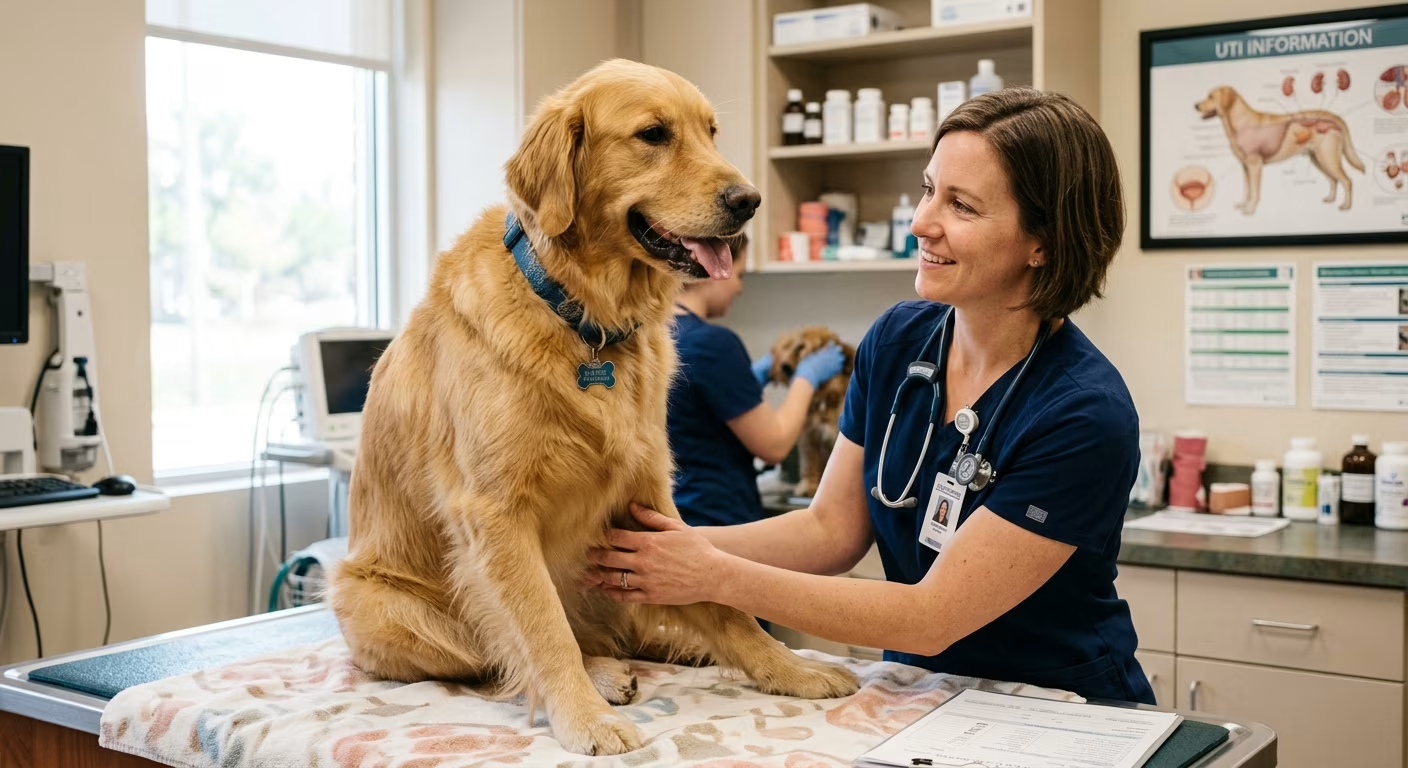
By a practicing small animal veterinarian with over 12 years of clinical experience
I still remember one of my earliest cases as a new vet a 6-year-old female Labrador named Bella who was brought in because she kept squatting in the backyard but producing almost nothing. Her owner was convinced she was just being dramatic. Two minutes into the exam, I knew exactly what we were dealing with: a classic urinary tract infection (UTI).
Over the years, I’ve seen hundreds of dogs just like Bella. UTIs are one of the most common conditions I diagnose, and the good news is when caught early, they respond really well to treatment. But when pet owners miss the signs or delay care, things can get complicated fast.
This guide is everything I wish every dog owner knew about UTIs written in plain language, from real clinical experience.
📌 Quick Summary: Dog UTI at a Glance
| Category | Key Points |
|---|---|
| What it is | Bacterial infection of the bladder or urinary tract |
| Who gets it most | Female dogs, senior dogs, diabetic dogs |
| Top symptoms | Frequent urination, straining, blood in urine, strong odor |
| Diagnosis | Urinalysis + urine culture at the vet |
| Treatment | Vet-prescribed antibiotics + follow-up testing |
| Risk if untreated | Kidney infection, bladder stones, serious complications |
🐾 What Is a UTI in Dogs?
A urinary tract infection (UTI) in dogs happens when bacteria travel up through the urethra and into the bladder, where they multiply and cause inflammation. Think of it as an unwelcome houseguest that breaks in through the back door and refuses to leave.
These bacteria are typically found around the rectum, skin, or near the external urethral opening and in certain dogs, the anatomy or health conditions make it much easier for those bacteria to get in.
How common is it? Very. Studies estimate that UTIs affect approximately 14% of dogs at some point in their lifetime, and in dogs already showing lower urinary tract symptoms, the prevalence can be even higher. A 2025 peer-reviewed meta-analysis published in the journal Animals (MDPI) found that among dogs with lower urinary tract disease, the pooled prevalence of bacterial UTI reached 44.6% significantly higher than in cats.
The most common culprit? Escherichia coli (E. coli) the same bacteria responsible for many human UTIs. It accounts for the majority of confirmed canine cases.
🚨 Signs and Symptoms of UTI in Dogs
The tricky part with UTIs is that some dogs show obvious signs, while others are nearly symptom-free (especially early on). Here’s what I tell every dog owner to watch for:
Common Signs
- ✅ Frequent urination going outside constantly but only producing a little
- ✅ Straining or appearing in pain while urinating
- ✅ Blood in urine (pink, red, or brownish tint)
- ✅ Strong or unusual odor from the urine
- ✅ Accidents in the house (even in well-trained dogs)
- ✅ Excessive licking of the genital area
Signs the Infection May Be More Serious
- ⚠️ Lethargy and reduced energy
- ⚠️ Loss of appetite
- ⚠️ Vomiting or diarrhea
- ⚠️ Fever or painful abdomen
I always say: if your dog is straining and producing nothing at all, that’s an emergency. A complete urinary blockage is life-threatening and needs immediate veterinary attention don’t wait overnight.
“Typically, dogs with a UTI will posture to urinate multiple times, with little to no urine passing.”
American Kennel Club (AKC) Health Guide
🔬 What Causes UTIs in Dogs?
Bacteria cause the vast majority of UTIs but why do some dogs get them repeatedly while others never seem to? In my practice, I always look for an underlying reason. Here are the most common contributing factors:
| Risk Factor | Why It Increases Risk |
|---|---|
| Female sex | Shorter urethra = easier path for bacteria to the bladder |
| Senior age (7+) | Weakened immune response, more underlying health issues |
| Diabetes mellitus | High glucose in urine feeds bacterial growth |
| Recessed/hooded vulva | Traps moisture and bacteria near the urethral opening |
| Bladder stones | Rough surface harbors bacteria; creates chronic irritation |
| Poor hygiene / dirty environment | Bacterial contamination from sitting in mud or feces |
| Infrequent urination | Urine pooling allows bacteria to multiply |
One pattern I see regularly: overweight female dogs with recessed vulvas. The skin folds trap bacteria and moisture, creating a direct highway to the bladder. Keeping your dog at a healthy weight isn’t just about their joints it directly impacts their urinary health too.
🏥 How Do Vets Diagnose a UTI?
Here’s where a lot of well-meaning pet owners go wrong: they try to diagnose a UTI themselves or treat it at home. I understand vet visits cost money and time. But here’s the thing: the symptoms of a UTI look almost identical to bladder stones, tumors, or even early kidney disease. You genuinely cannot tell the difference without testing.
When a dog comes in with urinary symptoms, here’s what we typically do:
- Full physical exam including abdominal palpation to check the bladder and kidneys
- Urinalysis the first and most important test; checks for bacteria, white blood cells, pH, glucose, and crystals in the urine
- Urine culture and sensitivity test identifies the exact bacteria causing the infection and which antibiotics will work best
- Blood work if we suspect diabetes, kidney disease, or systemic illness
- Ultrasound or X-rays if bladder stones, tumors, or structural issues are suspected
Pro tip from my exam room: When collecting urine, the cleanest sample comes from cystocentesis where we use a needle to collect urine directly from the bladder. It sounds scary but it’s quick and painless for your dog, and it gives us an uncontaminated sample.
💊 Treatment: What Actually Works
The standard and most effective treatment for a bacterial UTI is a course of antibiotics prescribed by your veterinarian. The specific antibiotic depends on the bacteria identified in the culture, and the course typically runs 7 to 14 days for uncomplicated infections.
Here’s what I tell every client before they leave the clinic:
⚠️ Finish the full course of antibiotics even if your dog seems better after a few days. Stopping early is one of the biggest reasons UTIs come back stronger and harder to treat. Incomplete treatment encourages antibiotic-resistant bacteria to develop.
Your vet may also prescribe pain relief medication, because UTIs can be genuinely uncomfortable some dogs are in significant pain during urination.
What About Home Remedies?
I get asked about cranberry supplements, apple cider vinegar, and other home treatments constantly. Here’s my honest take:
- Cranberry extract There is some evidence that compounds called proanthocyanidins in cranberry may help reduce the ability of E. coli bacteria to stick to the bladder wall, potentially reducing recurrence risk. However, it is not a treatment for an active infection and should only be used alongside veterinary care, not instead of it.
- “Leftover” antibiotics Please never do this. The dose, duration, and type of antibiotic matter enormously. Using the wrong one can make things much worse.
- Waiting it out UTIs rarely resolve on their own in dogs. Untreated infections can ascend to the kidneys (pyelonephritis), which is a serious, painful, and expensive condition to treat.
🔁 What About Recurring UTIs?
Some dogs especially older females seem to get UTI after UTI. If your dog has had more than two or three infections in a year, your vet needs to investigate why. Recurring UTIs are almost always a sign of an underlying issue:
- Bladder stones creating a rough surface where bacteria thrive
- Anatomical issues (like a recessed vulva)
- Diabetes or Cushing’s disease altering immune defenses
- Incomplete resolution of a previous infection
- In rare cases, bladder cancer especially if infections are resistant to multiple antibiotics
I’ve had cases where a dog came in for what seemed like their fourth UTI in a year, and a bladder ultrasound revealed stones that had been quietly causing reinfections. Once the stones were treated, the UTIs stopped entirely.
🛡️ Prevention: How to Reduce Your Dog’s UTI Risk
While you can’t eliminate the risk completely, these evidence-based steps genuinely help:
1. Keep Your Dog Hydrated
This is the single most impactful thing you can do. Water flushes bacteria out of the urinary tract naturally. Make sure your dog always has access to fresh, clean water. For dogs that don’t drink enough, try adding a splash of low-sodium broth to their water bowl, or switch to wet food to increase fluid intake through meals.
2. Give Frequent Bathroom Breaks
Dogs who hold their urine for long periods are giving bacteria more time to multiply in the bladder. Aim for at least 3 4 outdoor breaks per day, and more for puppies and seniors.
3. Maintain Good Hygiene
Keep the area around your dog’s genitals clean and dry especially in female dogs or dogs with skin folds. Regular grooming and trimming of hair around the urethra reduces bacterial buildup significantly.
4. Manage Underlying Health Conditions
If your dog has diabetes, Cushing’s disease, or bladder stones, working with your vet to manage those conditions is essential they dramatically increase UTI risk if left uncontrolled.
5. Regular Vet Check-ups
Annual wellness exams with a urinalysis are especially important for senior dogs (7+) and female dogs. Many UTIs are caught at this stage before symptoms even appear.
❓ Frequently Asked Questions (FAQ)
Can male dogs get UTIs?
Yes though it’s less common. Female dogs are more susceptible due to their shorter urethra. However, male dogs, especially seniors, absolutely can develop UTIs, and theirs can be more serious if they involve the prostate.
How long does it take to clear a UTI with antibiotics?
Most dogs start feeling better within 2 3 days, but the full antibiotic course (usually 7 14 days) must be completed to fully eliminate the infection and prevent antibiotic resistance.
Is blood in my dog’s urine always a UTI?
Not necessarily. Blood in urine can also indicate bladder stones, polyps, trauma, or even bladder cancer. Any blood in urine warrants a vet visit for proper diagnosis.
Can I give my dog cranberry supplements for a UTI?
Cranberry extract may have some preventive benefit for dogs susceptible to E. coli-related infections, but it is not a treatment for an active UTI. Always consult your vet before adding any supplement.
When should I go to the vet immediately?
If your dog is straining to urinate and producing nothing at all go immediately. This can indicate a urinary blockage, which is a life-threatening emergency. Also go urgently if your dog has a painful abdomen, fever, or is vomiting alongside urinary symptoms.
✅ Key Takeaways
- UTIs are common in dogs especially females and seniors and almost always caused by bacteria
- Key signs include frequent urination, straining, blood in urine, and strong odor
- Only a vet can confirm a UTI and determine the right antibiotic home treatment is not safe or effective
- Always complete the full antibiotic course to prevent resistant infections
- Recurring UTIs need investigation for an underlying cause
- Hydration, hygiene, and regular vet visits are your best prevention tools
If your dog is showing any signs of urinary discomfort, please don’t wait. Early treatment means faster recovery, less pain for your pup, and a lower chance of complications. Trust your instincts you know your dog best.
References
- Thassakorn P, Sukon P, Phuektes P, Fungbun N. Prevalence of Bacterial Urinary Tract Infections in Dogs and Cats with Lower Urinary Tract Diseases and Other Illnesses: A Systematic Review and Meta-Analysis. Animals (MDPI). Published November 30, 2025. DOI: 10.3390/ani15233456
- Weese JS et al. Urinary Tract Infections in Dogs. Today’s Veterinary Practice (based on ISCAID Guidelines). Updated July 2024.
- American Kennel Club. Urinary Tract Infections (UTI) in Dogs: Symptoms, Signs, Treatment. AKC Health. Updated February 2024.
- Cummings School of Veterinary Medicine, Tufts University. Can Diet Prevent or Treat Urinary Tract Infections in Dogs? Petfoodology. Published August 14, 2023.
- WebMD Pets. UTI in Dogs: Symptoms, Causes, and Treatment. Updated July 2025.
- Smee NM, Loyd K, Grauer GF. Prevalence and antimicrobial resistance of canine urinary tract pathogens. PubMed / Veterinary Record. 2013. PMID: 24158327.