
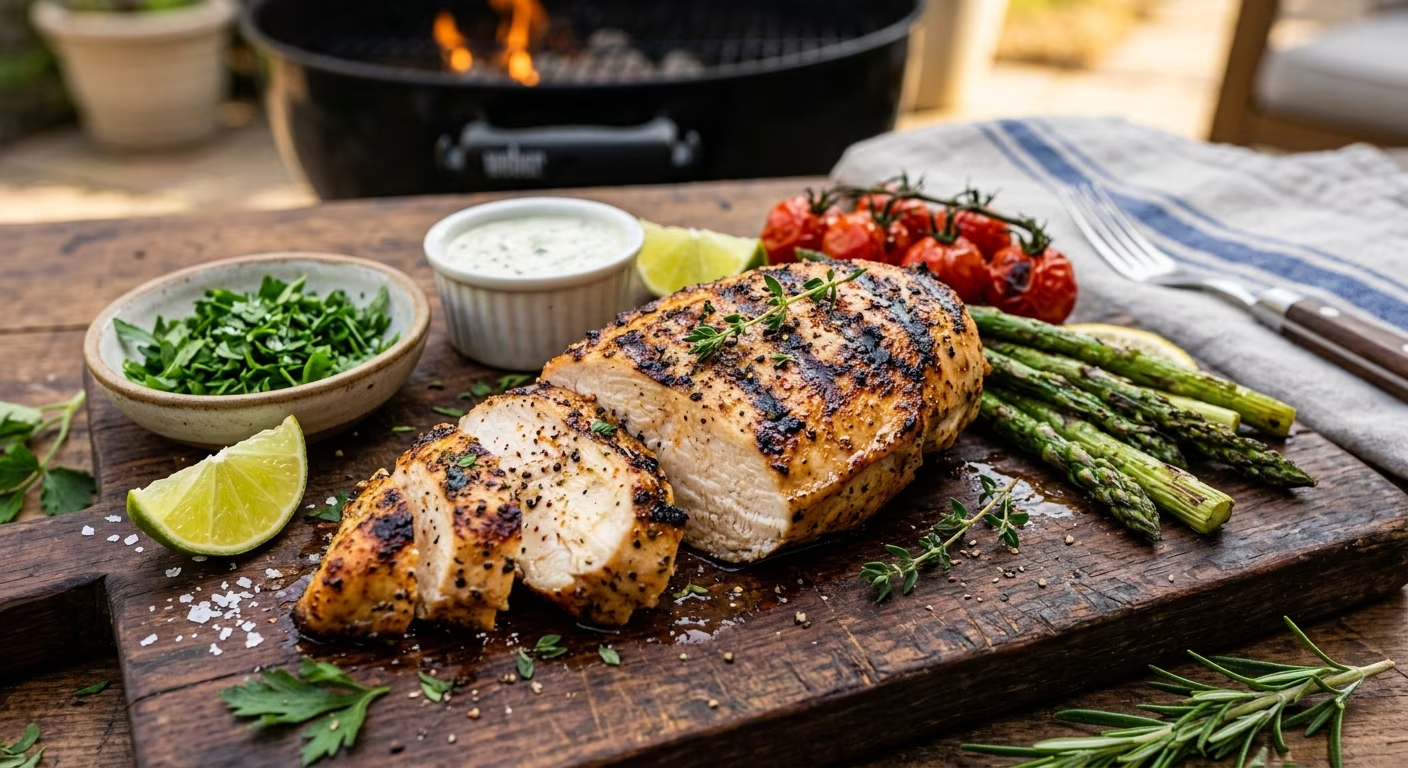
By a grilling enthusiast with 15+ years at the grate sharing what actually works, not just what sounds good on paper.
Let me be honest with you: I spent years pulling dry, rubbery chicken off the grill and pretending it was fine. Sound familiar? The truth is, grilling chicken breast is one of those deceivingly simple tasks that trips up even experienced cooks. But once you understand a few key principles and I mean really understand them, not just skim a recipe everything changes. This guide is everything I wish someone had told me years ago.
Why Grilled Chicken Breast Is So Hard to Get Right
Chicken breast is lean. That’s great for your health, but it’s the enemy of moisture on the grill. Because boneless chicken breasts are so lean, they often turn out dry, rubbery, and bland especially when cooked without any prep strategy. Unlike chicken thighs, which have fat and connective tissue to keep them forgiving, breast meat punishes you for every degree of overcooking.
Here’s what I’ve learned from hundreds of grilling sessions: the problem usually isn’t the grill it’s the preparation before the chicken ever touches the grates. Let’s fix that from the ground up.
The 5 Secrets to Perfectly Juicy Grilled Chicken Breast
1. Pound It Flat (Seriously, Do It)
The number-one mistake people make? Throwing an uneven chicken breast straight on the grill. The thin end cooks in 3 minutes. The thick end needs 8. By the time the center is done, the edges are leather.
The fix: Place each breast in a zip-lock bag and pound it to an even ½-inch thickness with a meat mallet, rolling pin, or even your fist. This one step alone will transform your results. When pounded thin, chicken breasts cook quickly and evenly that’s the goal.
Pro tip I picked up from testing: after pounding, use a fork to poke holes all over the chicken. This opens up the muscle fibers and lets your marinade penetrate deeper.
2. Marinade or Brine Pick One, Commit
You have two paths here, and both work beautifully:
- Dry rub + marinade: A mix of olive oil, lemon juice, garlic, and herbs (oregano, thyme, smoked paprika) works wonders. Seal it in a bag with the chicken and refrigerate for at least 30 minutes ideally 4 hours or overnight.
- Wet brine: Dissolve kosher salt and a small amount of sugar in cool water, add smashed garlic, and submerge the chicken for 1 4 hours. This locks in moisture and seasons the chicken from the inside out a technique favored by professional cooks for a reason.
“Wet brining is a game-changer for grilling lean meat like chicken and pork because it prevents it from drying out and seasons it at the same time.” The Kitchn
One important note from my experience: don’t over-marinate with acidic marinades. Lemon juice or vinegar, if left too long (over 2 hours), can start to denature the protein on the surface turning the texture mushy rather than tender. 30 90 minutes is the sweet spot for acidic marinades.
3. Get Your Grill Screaming Hot (Then Manage It)
Cold grates = stuck chicken. Always preheat your grill and oil the grates before the chicken goes on. I use a folded paper towel dipped in oil, clamped with tongs simple and effective.
Set your grill to medium-high heat (375 450°F). Here’s a tip that changed the game for me: set up a two-zone fire. On a gas grill, keep one burner on medium-high and one on low. On charcoal, pile coals on one half and leave the other clear. Sear the chicken over the hot zone first to get those grill marks, then slide to the cooler zone to finish cooking without burning the outside.
4. Don’t Touch It Then Know When to Flip
Once the chicken goes on the grill, leave it alone. Seriously. If you try to flip it and it feels stuck, give it another 30 seconds it will release naturally when it’s ready. Forcing it tears the meat and breaks the crust you’re building.
For a pounded, thin breast, you’re looking at roughly 6 8 minutes per side over medium-high heat. Always grill with the lid closed; this creates convection heat which helps give the chicken a nicely charred exterior and a tender, moist interior.
5. Use a Meat Thermometer No Exceptions
This is the one I can’t stress enough. I used to cut into the chicken to check if it was pink. That’s a terrible habit for two reasons: it lets all the juices escape, and color alone is not a reliable indicator of doneness.
The USDA mandates a safe minimum internal temperature of 165°F (74°C) for all poultry. Here’s the pro move: pull the chicken off the grill when the thermometer reads 160°F, tent it loosely with foil, and let it rest for 5 minutes. Carryover cooking will bring it up to 165°F and you’ll have dramatically juicier meat than if you cooked it all the way to 165°F on the grill.
The Complete Grilled Chicken Breast Recipe
Ingredients
| Ingredient | Amount | Notes |
|---|---|---|
| Boneless, skinless chicken breasts | 4 medium (~8 oz each) | Pounded to ½-inch thickness |
| Olive oil | 3 tablespoons | Also for oiling grates |
| Garlic, minced | 3 cloves | Fresh is best |
| Lemon juice | 2 tablespoons | Freshly squeezed |
| Kosher salt | 1 teaspoon | Or to taste |
| Black pepper | ½ teaspoon | Freshly ground |
| Smoked paprika | 1 teaspoon | Adds deep flavor & color |
| Dried oregano or thyme | 1 teaspoon | Or use fresh herbs |
| Cumin (optional) | ½ teaspoon | Great for smokier flavor |
Step-by-Step Instructions
- Prep the chicken: Place breasts one at a time in a zip-lock bag. Pound to an even ½-inch thickness with a meat mallet. Poke holes all over with a fork to help the marinade absorb.
- Make the marinade: Whisk together olive oil, minced garlic, lemon juice, salt, pepper, paprika, and oregano in a bowl or directly in a large zip-lock bag.
- Marinate: Add the chicken to the marinade, seal the bag, and massage until evenly coated. Refrigerate for at least 30 minutes up to 4 hours for best flavor. Do not exceed 2 hours if using a strongly acidic marinade.
- Preheat the grill: Heat your grill to medium-high (375 450°F). Oil the grates with a paper towel dipped in oil.
- Grill: Remove chicken from the marinade, letting excess drip off. Place on the grill. Cook covered for 6 8 minutes per side. Resist the urge to move the chicken let it release on its own.
- Check temperature: Use an instant-read thermometer. Pull chicken off at 160°F.
- Rest: Tent loosely with foil and let rest for 5 minutes. The internal temperature will rise to a safe 165°F.
- Slice and serve: Cut against the grain and serve immediately.
Temperature Quick-Reference Guide
| Internal Temp | What It Means | Action |
|---|---|---|
| Below 160°F | Undercooked not safe | Keep grilling |
| 160°F | Pull off grill here | Tent with foil & rest 5 min |
| 165°F | USDA safe minimum (after rest) | Safe to eat juicy & perfect |
| 170°F+ | Overcooked | Dry, rubbery avoid |
Source: USDA Food Safety and Inspection Service
Nutrition at a Glance
One of the best things about grilled chicken breast is its nutritional profile. It’s genuinely hard to beat for a high-protein, low-fat meal.
| Nutrient | Per 100g (cooked, skinless) |
|---|---|
| Calories | ~165 kcal |
| Protein | ~31g |
| Fat | ~3.6g |
| Carbohydrates | 0g |
Grilled chicken breast delivers an impressive protein-to-calorie ratio making it a staple in fitness-focused meal plans, weight management diets, and everyday family dinners alike.
Flavor Variations to Keep It Exciting
Once you master the base technique, it’s easy to riff on flavors. Here are some of my go-to variations:
- 🍋 Lemon Herb: Add extra lemon zest to the marinade and finish with a squeeze of fresh lemon and chopped parsley after grilling.
- 🌶️ Smoky Chipotle: Swap paprika for chipotle powder and add a dash of honey for a sweet-heat glaze.
- 🧄 Italian Style: Season with Italian seasoning and top with shaved Parmesan or fresh mozzarella right off the grill.
- 🥑 Southwest: Use cumin, chili powder, garlic powder, and onion powder. Serve with avocado salsa and lime.
- 🫙 Greek-Inspired: Marinate in Greek yogurt, garlic, and oregano. Top with crumbled feta and olives.
How to Store and Reheat Leftovers
Grilled chicken is a meal-prep dream. Here’s how to handle leftovers the right way:
- Refrigerator: Store in an airtight container for up to 3 4 days.
- Freezer: Wrap tightly and freeze for up to 3 months. Thaw overnight in the fridge before using.
- Reheating: Best reheated in a skillet over medium-low heat with a splash of water or broth to restore moisture. If using a microwave, slice first so it warms evenly without drying out.
Leftover grilled chicken works beautifully sliced over a Caesar salad, tucked into tacos, layered on sandwiches, or added to pasta.
Common Mistakes to Avoid
- ❌ Skipping the pounding step uneven thickness = uneven cooking.
- ❌ Grilling cold chicken straight from the fridge let it sit at room temperature for 20 30 minutes before grilling for more even cooking.
- ❌ Over-marinating in acidic ingredients can make the surface mushy.
- ❌ Opening the lid constantly you lose heat and char every time you peek.
- ❌ Cutting into it to check doneness use a thermometer instead. Every cut lets juice escape.
- ❌ Skipping the rest period this is where the magic happens. Five minutes makes a huge difference.
Frequently Asked Questions
How long does it take to grill chicken breast?
At medium-high heat (375 450°F), pounded boneless chicken breasts take about 6 8 minutes per side, for a total of 12 16 minutes. Always confirm doneness with a meat thermometer, not time alone.
Should I grill chicken with the lid open or closed?
Always closed. A closed lid creates convection heat, helping cook the chicken through more evenly and giving you a nicely charred exterior without overcooking the inside.
Can I marinate chicken overnight?
Yes for oil-and-herb-based marinades, overnight marinating is ideal. For marinades with strong acidic components (lemon juice, vinegar), cap it at 2 hours to avoid a mushy texture.
What’s the best way to know chicken is done?
Use an instant-read thermometer every single time. The USDA recommends a safe minimum internal temperature of 165°F for all chicken. Pull it at 160°F and rest for 5 minutes carryover cooking does the rest.
Can I use frozen chicken?
Thaw thoroughly in the refrigerator before grilling. Cooking from frozen on the grill usually means the outside overcooks before the inside reaches a safe temperature.
References
- USDA Food Safety and Inspection Service “Chicken from Farm to Table.” U.S. Department of Agriculture. Accessed June 2026.
- FoodSafety.gov “Cook to a Safe Minimum Internal Temperature.” U.S. Department of Health & Human Services. Updated November 2024.
- Once Upon a Chef “The Best Grilled Chicken.” Updated May 2025.
- The Kitchn “Grilled Chicken Breast Recipe.” Updated July 2024.
- Easy Chicken Recipes “Juicy Grilled Chicken Breast Recipe.” Updated May 2026.