
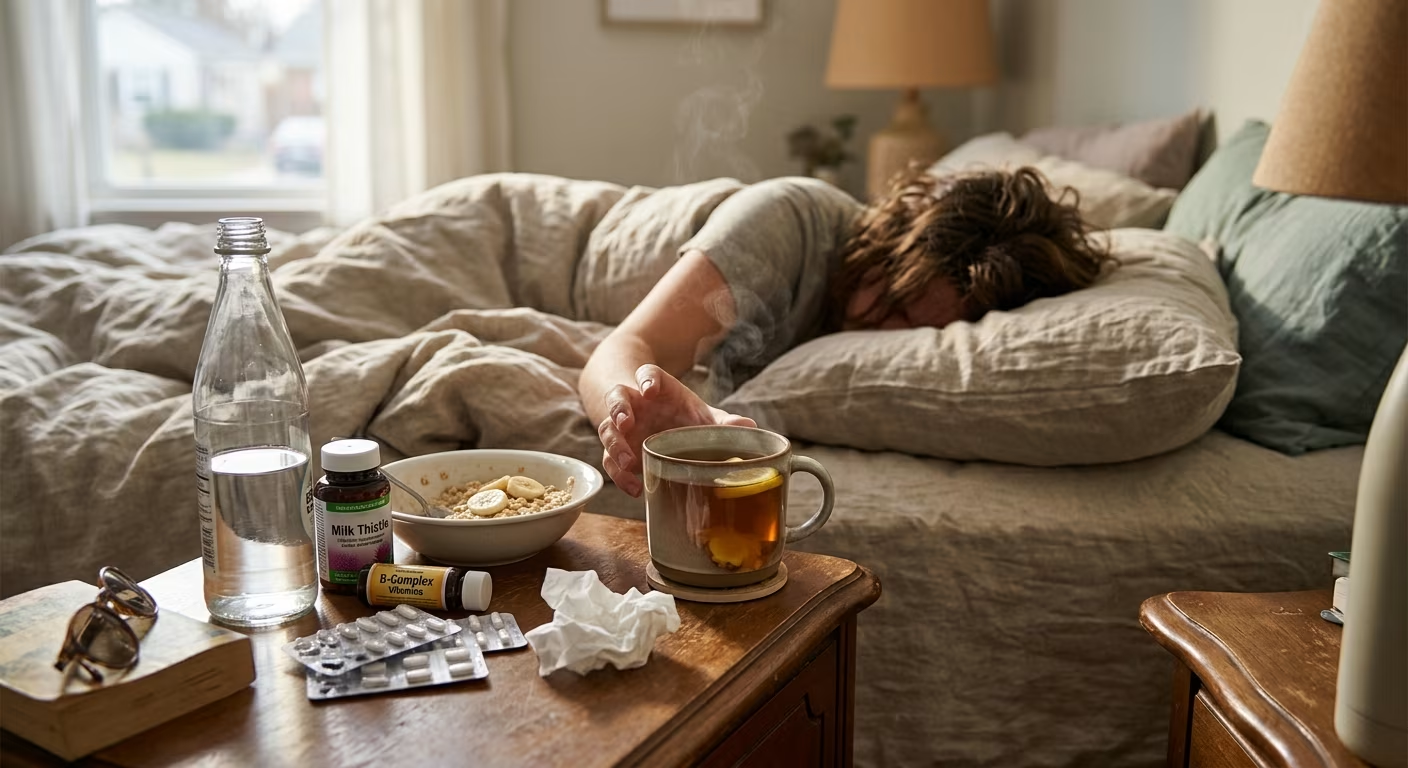
Let’s be honest we’ve all been there. One drink turned into three, three turned into “I lost count,” and now you’re staring at the ceiling at 7 a.m. wondering if this is what the end feels like. I’ve spent years working in nutrition and wellness, and I’ve also, personally, had my fair share of rough mornings. So when I talk about hangover remedies, I’m not reading from a textbook I’m speaking from real experience AND science.
Here’s the truth nobody wants to hear right away: there is no magic cure for a hangover. But there are things that genuinely help your body recover faster, reduce the misery, and get you back on your feet. Let’s break it all down.
What Is Actually Happening to Your Body?
Before we talk remedies, it helps to understand why you feel so terrible. A hangover isn’t just “too much fun” it’s your body fighting on multiple fronts at once.
A hangover refers to a set of symptoms that occur as a consequence of drinking too much. Typical symptoms include fatigue, weakness, thirst, headache, muscle aches, nausea, stomach pain, vertigo, sensitivity to light and sound, anxiety, irritability, sweating, and increased blood pressure.
Here’s what’s driving those symptoms:
- Dehydration: Alcohol suppresses the release of vasopressin, a hormone produced by the brain that sends signals to the kidneys causing them to retain fluid. Less vasopressin = more trips to the bathroom = dehydration.
- Toxic byproducts: Acetaldehyde, a byproduct that builds up in response to alcohol processing in the body, is thought to be 30 times more toxic than alcohol itself. Studies have shown that it produces hangover symptoms and the substance may partly explain the origin of hangovers.
- Inflammation: A team of researchers noticed hangovers are often accompanied by elevated levels of cytokines, the messaging system for our bodies’ immune responses. When cytokines get busy, the immune system begins firing, and that can cause inflammation.
- Disrupted sleep: People may fall asleep faster after drinking alcohol, but their sleep is fragmented, and they tend to wake up earlier.
Hangovers result from dehydration, disrupted sleep, inflammation and the byproducts of alcohol metabolism, so effective relief targets those underlying causes rather than chasing a single cure.
The Best Hangover Remedies (Ranked by What Actually Helps)
1. 💧 Rehydrate Water First, Electrolytes Second
This is always my first move, every single time. I keep a large glass of water on my nightstand before a night out it’s a habit that’s saved me countless times.
Drinking water before bed and sipping fluids the next morning helps correct dehydration, which can contribute to headaches, lightheadedness and dry mouth. Plain water is a good start, but if you feel faint or very weak, an oral rehydration solution or a drink with electrolytes can restore salts and sugars more efficiently than water alone.
If you’ve been vomiting, step it up: “A glass of water when you first wake up will help you rehydrate from the night before. If you got to the point of vomiting, drinking Gatorade and Pedialyte are good choices to help replenish the lost electrolytes.”
Pro tip: Coconut water is my personal favorite electrolyte drink. Coconut water has five of the electrolytes found in human blood, while most sports drinks only have two.
2. 🍳 Eat the Right Foods
I know the urge is to reach for a greasy burger or a full fry-up. I’ve done it. It feels good in the moment, but here’s what actually works better:
| Food | Why It Helps |
|---|---|
| 🍌 Bananas | Restores potassium lost through frequent urination |
| 🍞 Toast or Crackers | Bland carbs raise blood sugar gently without upsetting the stomach |
| 🥚 Eggs | High in amino acids; support liver processing |
| 🍯 Honey on Toast | Fructose from honey may help the body metabolize alcohol |
| 🍜 Chicken Noodle Soup / Broth | Restores sodium and water levels; easy on the stomach |
| 🥣 Oatmeal | Complex carbs stabilize blood sugar; nutrient-dense |
Eat bland foods with complex carbohydrates, like toast or crackers it’ll stabilize your blood sugar and reduce nausea.
Drinking may lower blood sugar levels, so theoretically some of the fatigue and headaches of a hangover may be from a brain working without enough of its main fuel. Moreover, many people forget to eat when they drink, further lowering their blood sugar. Toast and juice is a way to gently nudge levels back to normal.
And that bowl of soup? A cup of noodles can restock sodium and water levels in the body, and chicken and some vegetables contain cysteine, which give the liver a much-needed boost.
3. 😴 Sleep It Off (Seriously)
The most underrated remedy on this list. I used to push through on two hours of sleep thinking coffee would save me. It doesn’t. Get sleep to counteract fatigue. Your body does its best repair work while you’re resting. If you can sleep in, do it. Your body is literally healing itself.
4. 🫚 Ginger or Peppermint Tea for Nausea
When my stomach is in revolt, this is my go-to before I can even think about eating. For a soothing brew, look no further than herbal tea. Studies show that ginger tea can reduce nausea and motion sickness. Peppermint tea can also ease stomach pain and decrease nausea.
The anti-nausea effects of ginger make it a possible treatment for the stomach upset associated with hangovers. Start with small sips don’t gulp it down.
5. 🍊 B Vitamins and Zinc
This is something I now take preventatively the morning after a night out. A study published in The Journal of Clinical Medicine evaluated the diets for 24 hours before and after excessive drinking occurred. It was a small study and results were based on the participants saying what they ate. However, they did find that people whose food and beverage consumption contained greater amounts of zinc and B vitamins had less severe hangovers.
Vitamins and supplements, such as B vitamins, vitamin C, prickly pear extract and N-acetylcysteine may offer some benefits, but the evidence is inconsistent. If you opt for supplements, consider them as potentially helpful but not guaranteed.
6. ☕ Coffee With Caution
I love my morning coffee, hangover or not. But here’s what you need to know: caffeine may not have any special anti-hangover powers, but as a stimulant, it could help with the grogginess. However, coffee is also a diuretic it can worsen dehydration if you’re not already well-hydrated. Always drink a full glass of water before your coffee.
Hangover Myths What Does NOT Work
Over the years, I’ve heard every “cure” imaginable. Let me save you some trouble:
| Myth | The Truth |
|---|---|
| 🍺 “Hair of the Dog” (more alcohol) | Having another drink may blunt symptoms for a few hours, but it delays full recovery and increases the risk of developing unhealthy drinking patterns. |
| 💊 Acetaminophen / Tylenol before bed | “The first thing to realize is that alcohol and acetaminophen, in combination, can be harmful to your liver.” |
| 🍔 Greasy food as a cure | Greasy food helps before drinking, not after. Post-hangover, it can irritate your already-inflamed stomach lining. |
| ☕ Black coffee alone | Can sharpen alertness but may worsen anxiety and dehydration. |
The Smarter Move: Prevent the Hangover in the First Place
I know, I know this is the part nobody wants to read when they’re already suffering. But for next time, bookmark this section.
The most effective way to avoid a hangover is to drink mindfully, know your limits or choose to abstain altogether. Eating a balanced meal beforehand, alternating alcoholic beverages with water or other nonalcoholic options and pacing yourself can go a long way toward minimizing next-day discomfort.
Also, pay attention to what you drink: Experiments have shown that clear liquors, such as vodka and gin, tend to cause hangovers less frequently than dark ones, such as whiskey, red wine, and tequila. The main form of alcohol in alcoholic beverages is ethanol, but the darker liquors contain chemically related compounds (congeners), including methanol. The same enzymes process ethanol and methanol, but methanol metabolites are especially toxic, so they may cause a worse hangover.
Pace yourself: limit consumption to one drink per hour that’s about how much your body can process.
Quick Reference: Your Hangover Recovery Plan
| Time | Action |
|---|---|
| ⏰ Wake up | Drink a large glass of water immediately |
| 🌅 30 min later | Sip ginger or peppermint tea for nausea |
| 🍳 When ready to eat | Toast with honey, banana, or oatmeal |
| 💊 With food | B-vitamin complex + Vitamin C supplement |
| ☕ Mid-morning | One cup of coffee only after rehydrating |
| 🥣 Lunch | Chicken broth or noodle soup with vegetables |
| 😴 Afternoon | Rest or nap if possible |
When to See a Doctor
Most hangovers resolve on their own within 24 hours. But sometimes, things go beyond a rough morning. “If you have severe vomiting, fainting, confusion, breathing problems or signs of serious dehydration, seek immediate medical attention.”
If excessive drinking is interfering with your life, talk to your healthcare provider. There’s no shame in it it’s the smart, adult thing to do.
Final Thoughts
After years in the wellness field and yes, after plenty of personal trial and error here’s my honest bottom line: the only true hangover cure is time. There’s no quick cure. You need to let your body rid itself of alcohol and heal.
But that doesn’t mean you have to just suffer. Hydrate aggressively, eat gently, rest deeply, and support your body with the right nutrients. You will feel better just give it the care it deserves.
And next time? Maybe just one less round. 😉
References
- National Institute on Alcohol Abuse and Alcoholism (NIAAA) “Hangovers” Fact Sheet. U.S. Department of Health & Human Services. (Reviewed 2021)
- Verster JC et al. “The Alcohol Hangover Research Group: Ten Years of Progress…” Current Drug Abuse Reviews / PubMed Central. (2019)
- Cleveland Clinic “Hangover: What It Is, Symptoms & How To Cure.” Cleveland Clinic Health Library. (Updated April 2026)
- Harvard Health Publishing “7 Ways to Cure Your Hangover.” Harvard Medical School. (2023)
- Inspira Health Network “Hangover Recovery Guide: What Remedies Help and What to Skip.” (October 2025)