
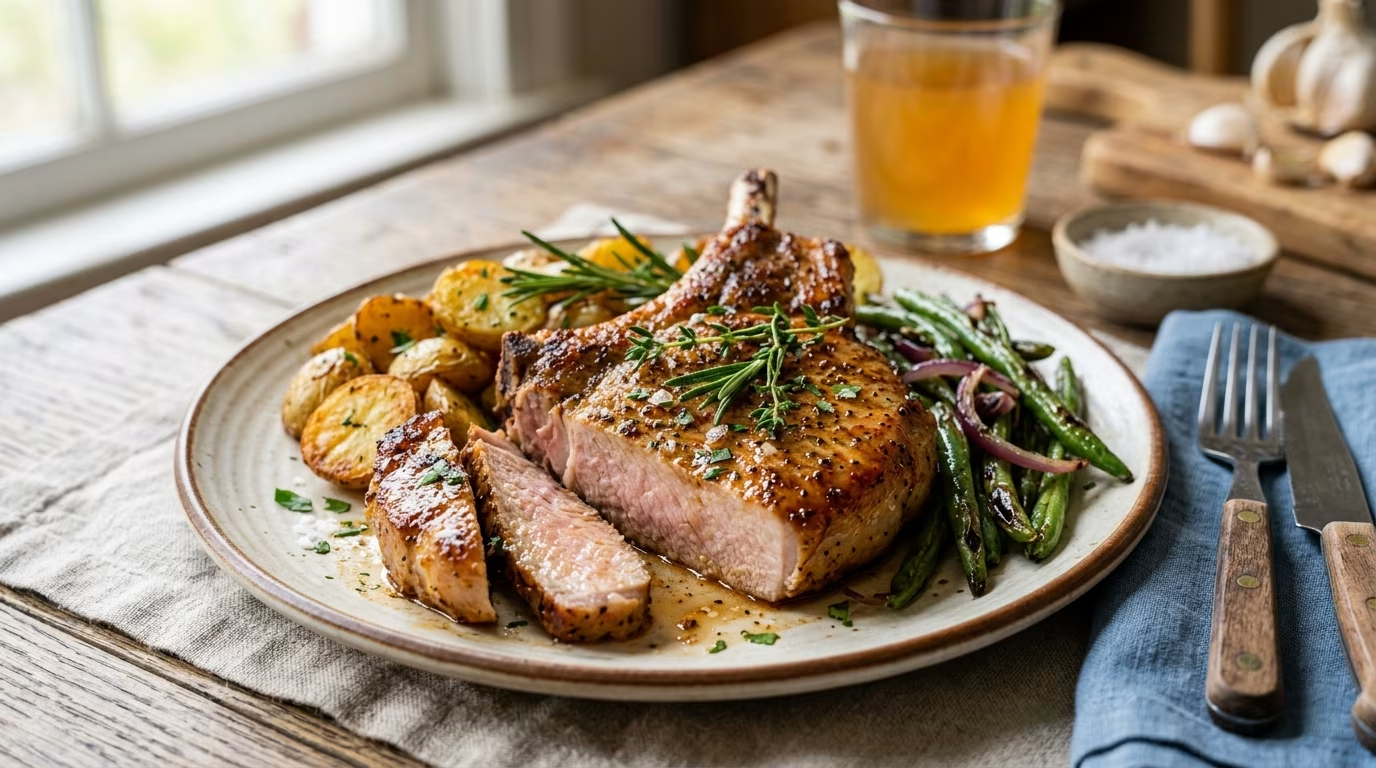
I’ll be honest with you the first time I baked pork chops, they came out like rubber hockey pucks. Dry. Tough. Totally disappointing. It took me a few years in the kitchen, a lot of trial and error, and a good meat thermometer to finally crack the code. And now? Baked pork chops are one of my go-to weeknight dinners, and I’m going to walk you through exactly how I make them no fluff, no fancy equipment, just real results.
Whether you’re a beginner cook or someone who’s just never quite nailed pork chops, this guide is for you. Let’s get into it.
Why Baked Pork Chops Beat the Stovetop (Most of the Time)
A lot of people default to pan-frying pork chops, and I get it that sizzle is satisfying. But baking has some serious advantages, especially on busy weeknights.
- ✅ Hands-off cooking once they’re in the oven, you can prep your sides
- ✅ Even heat distribution no hot spots burning one side
- ✅ Less mess no splattered grease on your stovetop
- ✅ Easier to hit the right internal temperature
Pro tip from my own kitchen: if you want the best of both worlds a golden crust AND juicy interior give the chops a quick 2-minute sear in a hot oven-safe skillet before sliding them into the oven. It’s an extra step, but worth it on weekends.
Choosing the Right Pork Chops
This is where most people go wrong before they even turn on the oven. The type and thickness of your chop matters enormously.
Bone-In vs. Boneless
Both work great for baking, but they behave differently. Bone-in chops tend to stay juicier because the bone helps retain moisture during cooking. Boneless chops are more convenient and cook a little faster, but they’re also leaner and more prone to drying out if you’re not careful.
My personal preference? Bone-in for a Sunday dinner, boneless when I need dinner on the table in 25 minutes flat.
Thickness Is Everything
This is the single biggest mistake I see home cooks make. Those thin, wafer-cut chops you sometimes find at the grocery store? They’ll overcook before you can even check the temperature. Stick with chops that are at least 1 inch thick ideally 1 to 1.5 inches.
“Thin pork chops tend to dry out more easily.” Kristine’s Kitchen
| Type | Best For | Bake Time (400°F) | Notes |
|---|---|---|---|
| Boneless, 1″ | Quick weeknight dinner | 15 20 min | Watch closely near end |
| Bone-In, 1″ | Juicier result | 20 25 min | Add ~1 min per ½” extra thickness |
| Boneless, 1.5″ | Thick, restaurant-style | 21 24 min | Use thermometer don’t guess |
The Simple Seasoning That Works Every Time
You don’t need a complicated marinade to get incredible flavor. A dry rub made from pantry staples is all it takes. Here’s the blend I’ve landed on after years of testing:
- 1 tsp paprika (smoked or sweet both work)
- 1 tsp garlic powder
- ½ tsp onion powder
- ½ tsp dried oregano
- 1 tsp kosher salt
- ½ tsp black pepper
- 1 tbsp olive oil (helps the spices stick and prevents dryness)
Mix the dry spices in a small bowl, drizzle olive oil on both sides of the chops, then rub the seasoning in generously with your hands. Don’t be shy get it into all the crevices.
Optional upgrade: Add a small pat of butter on top of each chop before baking. As it melts, it bastes the meat and adds incredible richness. I do this about 80% of the time.
Step-by-Step: How to Bake Pork Chops
- Preheat your oven to 400°F (200°C). This high heat is key it cooks the chops quickly so they don’t dry out sitting in the oven too long.
- Pat the chops dry with paper towels. This step is underrated. Removing surface moisture helps the seasoning adhere and promotes better browning.
- Season generously on both sides with your spice blend and olive oil.
- Place in a baking dish or on a parchment-lined rimmed baking sheet. A snug baking dish helps retain moisture; a baking sheet gives you slightly crispier edges.
- Bake uncovered for 15 25 minutes, depending on thickness (see table above).
- Check the internal temperature this is non-negotiable. Pull them from the oven when they reach 145°F (63°C).
- Rest for at least 3 5 minutes before cutting. This is where most people lose patience and make a mistake. More on this below.
The Most Important Step: Temperature & Resting
Let me be direct here because this is where food safety and great flavor intersect. The number you need to remember is 145°F.
The USDA lowered the recommended safe cooking temperature for whole cuts of pork from 160°F to 145°F, with a three-minute rest time after removing from heat resulting in a product that is both safe and at its best quality: juicy and tender.
Pork today is very lean, making it important not to overcook. The safe internal pork cooking temperature for fresh cuts is 145°F, and fresh muscle meats such as pork chops should measure 145°F, ensuring the maximum amount of flavor.
Don’t rely on color. Cooked muscle meats can be pink even when the meat has reached a safe internal temperature if fresh pork has reached 145°F throughout, even though it may still be pink in the center, it is safe.
Why Resting Matters
I know it’s tempting to cut into them the second they come out of the oven. But please don’t. The 3-minute rest is part of the USDA recommendation during resting, the internal temperature continues to rise slightly (carryover cooking), pathogens are destroyed, and the juices redistribute through the meat. A properly rested chop is both safer and more flavorful than one cut immediately.
In my experience, 5 minutes of resting is the sweet spot. I tent them loosely with foil, set a timer, and use those minutes to plate my sides. By the time I sit down, those chops are perfectly juicy.
Common Mistakes & How to Avoid Them
| Mistake | Why It Happens | The Fix |
|---|---|---|
| Dry, tough chops | Overcooked or too thin | Use 1″+ thick chops; pull at 145°F |
| Pale, no color | Oven not hot enough; too much moisture | Pat chops dry; use 400°F+ |
| Uneven cooking | Chops different thicknesses | Buy uniform chops; pound to even thickness |
| Bland flavor | Under-seasoned or no resting | Season both sides generously; rest before serving |
Pro Tips from Years in the Kitchen
- 🌡️ Always use a meat thermometer. Oven times can vary, so it is always best especially with pork chops to use a meat thermometer. I use an instant-read digital one; it’s the best $15 I’ve spent in my kitchen.
- 🧂 Consider a quick brine. If you have the time, it’s completely worth it to brine your pork chops first dissolve 3 tablespoons of salt in 4 5 cups of cold water, toss your chops in the solution, cover the bowl, and refrigerate for 30 minutes. This simple step makes a noticeable difference in moisture retention.
- 🧈 Add butter on top. A small pat per chop before baking adds richness and helps caramelize the top slightly.
- 🫙 Store leftovers properly. They can be stored in the fridge for 3 to 4 days or in the freezer for up to 3 months.
- 🔥 Reheat gently. They can become dry when reheated, so reheat them gently, covered, in the microwave at 50% power start with 30 seconds per chop on each side, and continue until heated through.
What to Serve with Baked Pork Chops
Pork chops are wonderfully versatile. Here are my go-to pairings:
- Mashed or roasted potatoes a classic that never fails
- Steamed or roasted green beans light, fast, and healthy
- Rice pilaf soaks up those delicious pan juices
- Roasted broccoli toss it in the oven at 400°F alongside your chops
- A simple side salad perfect for a lighter meal
My weeknight favorite: baked pork chops + roasted broccoli + a scoop of mashed potatoes. Everything cooks at 400°F, so I can time it all together. Dinner on the table in 30 minutes, start to finish.
Quick Recipe Summary
| Step | Detail |
|---|---|
| Oven Temp | 400°F (200°C) |
| Ideal Thickness | 1 1.5 inches |
| Bake Time (boneless, 1″) | 15 20 minutes |
| Bake Time (bone-in, 1″) | 20 25 minutes |
| Safe Internal Temp | 145°F (63°C) |
| Rest Time | 3 5 minutes minimum |
| Storage (fridge) | 3 4 days |
| Storage (freezer) | Up to 3 months |
Frequently Asked Questions
Can I use frozen pork chops?
Yes, but always thaw them first for the best result. There are three safe ways to thaw pork: in the refrigerator, in cold water (in an airtight or leak-proof bag), and in the microwave never thaw at room temperature on the counter. It’s best to plan for slow, safe thawing in the refrigerator.
Is it okay if my pork chop is slightly pink inside?
Yes! Cooked muscle meats can be pink even when the meat has reached a safe internal temperature. If fresh pork has reached 145°F throughout, even though it may still be pink in the center, it should be safe. Use your thermometer color alone is not a reliable indicator of doneness.
How do I know when they’re done without a thermometer?
Honestly? Get a thermometer. It’s the one tool that has made the biggest difference in my cooking. If you’re new to roasting pork chops, using an instant-read meat thermometer is the best way to determine whether they are fully cooked. They cost very little and eliminate all the guesswork.
Can I bake them at a lower temperature?
The best way to keep your pork chops from drying out is to bake them at high temperature for a shorter amount of time baking at 425°F means 1-inch thick boneless pork chops take between 15 20 minutes to cook. Lower temperatures mean longer times in the oven, which often leads to drier chops.
Final Thoughts
Baked pork chops are one of those recipes that seems simple and it is but a few key decisions make the difference between something forgettable and something your family requests every week. Choose thick chops, season generously, bake hot and fast, hit 145°F, and rest before you cut. That’s the whole formula.
Once you nail it once, you’ll never stress about pork chops again. Trust me I’ve been there.
References
- “Cooking Meat? Check the New Recommended Temperatures” U.S. Department of Agriculture (USDA), May 2011 (official USDA pork temperature guidance, remains the authoritative primary source)
- “Fresh Pork From Farm to Table” USDA Food Safety and Inspection Service (FSIS). Covers safe minimum internal temperatures, thawing, and storage of pork.
- “Pork Cooking Temperature” National Pork Board. Official guidance from the primary U.S. pork industry authority on safe and optimal cooking temperatures for all cuts.
- “Cook to a Safe Minimum Internal Temperature” FoodSafety.gov (U.S. Department of Health & Human Services), updated November 2024. Reference chart for all meat minimum safe temps.