
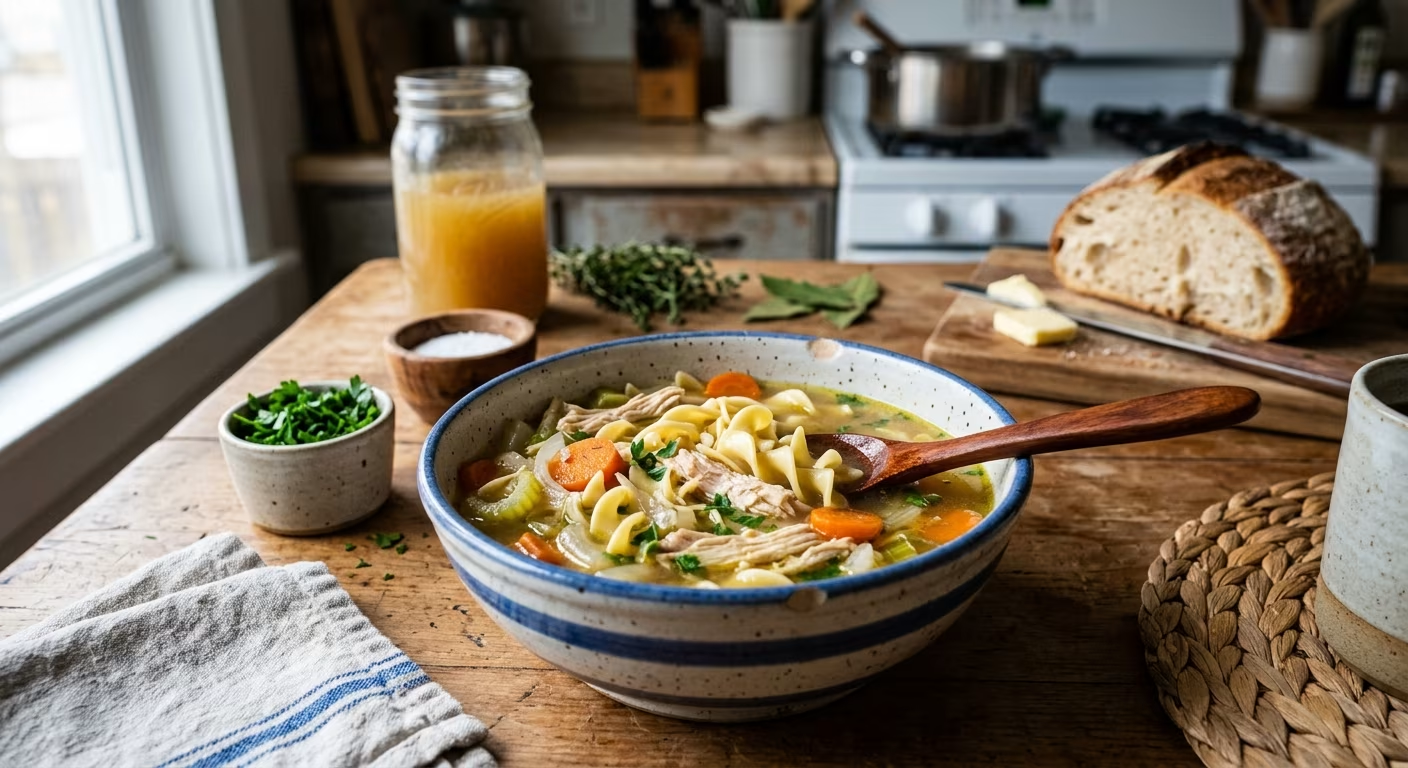
By a home cook and food writer with over 15 years of soup-making experience
I still remember the first time I made chicken noodle soup from scratch. I was nervous it felt like something only grandmothers could pull off properly. But the moment that golden broth hit the pot and the smell of thyme and celery filled my kitchen, I knew I’d been overthinking it. That was over a decade ago. Today, this is the recipe I make when someone in my house is sick, when it’s raining outside, or honestly, when I just want something that feels like a hug in a bowl.
The good news? You don’t need a culinary degree or hours of free time. This guide walks you through everything the ingredients, the steps, the tips I’ve learned the hard way, and even the science of why this soup actually makes you feel better.
Why Make It From Scratch?
I get asked this a lot: “Why bother when I can just open a can?” Here’s my honest answer the difference is enormous, and it’s not just taste.
Homemade chicken noodle soup typically offers better nutrition than store-bought versions. It contains fresher ingredients, less sodium, no preservatives, and you control the quality and quantity of every ingredient. Store-bought soups often have excessive sodium and may contain artificial additives. In fact, one popular “25% less sodium” canned soup can still contain over 1,200 milligrams of sodium per cup nearly half your daily recommended intake.
When you make it at home, you’re in control. That’s a big deal.
Ingredients You’ll Need
One of the things I love most about this recipe is how pantry-friendly it is. Here’s what you need:
| Ingredient | Amount | Notes |
|---|---|---|
| Chicken breast or thighs | 2 boneless, skinless | Or use rotisserie chicken to save time |
| Chicken broth | 8 cups | Low-sodium preferred |
| Carrots | 3 4, peeled and chopped | Bite-size pieces |
| Celery | 3 4 stalks, chopped | Including leaves for extra flavor |
| Onion | ½ medium, diced | Yellow onion works best |
| Garlic | 2 cloves, minced | Optional but highly recommended |
| Egg noodles | 2 cups, dry | Wide egg noodles are classic |
| Dried thyme | ¼ tsp | Or fresh thyme sprigs |
| Bay leaves | 2 | Remove before serving |
| Olive oil | 1 2 tbsp | For sautéing |
| Salt & black pepper | To taste | Taste the broth before adding more |
Pro Tip: A quality broth is one of the most impactful choices you’ll make. For a quick recipe, choose a flavorful low-sodium broth the higher-quality boxed varieties (look for ones without MSG or artificial flavors) are usually only a dollar or so more and are absolutely worth it.
Broth vs. Stock Does It Matter?
Yes, and here’s a simple way to remember the difference:
- Broth is made primarily from meat and vegetables, creating a clean, classic chicken-soup flavor with a lighter body.
- Stock is simmered with bones, giving it a richer mouthfeel and slightly deeper, more gelatinous texture.
For a quick weeknight soup, a good-quality chicken broth is your best friend it delivers full, savory flavor without a long simmer time. If you have homemade chicken stock on hand, use it it takes the soup to a completely different level.
Step-by-Step Instructions
Here’s exactly how I make this soup. The whole thing comes together in about 30 minutes.
Step 1 Sauté the Vegetables
Heat olive oil in a large stock pot or Dutch oven over medium heat. Add your onion, carrots, and celery. Cook for about 6 10 minutes, stirring occasionally, until the vegetables begin to soften. Add the minced garlic and cook for another 30 seconds. Don’t rush this step softening the vegetables here builds the flavor foundation of your soup.
Step 2 Add Broth and Chicken
Pour in the chicken broth. Add the whole raw chicken breasts directly into the pot, along with your thyme, bay leaves, salt, and pepper. Bring the mixture to a boil over medium-high heat, then reduce to a gentle simmer. Cover and cook for 20 30 minutes until the chicken is fully cooked through.
🌡️ Safety Note: According to the USDA Food Safety and Inspection Service, chicken must reach an internal temperature of 165°F (74°C) to be safe to eat. Always use a meat thermometer to check color alone is not a reliable indicator of doneness.
Step 3 Shred the Chicken
Remove the cooked chicken from the pot. Using two forks (or your hands once it cools slightly), shred it into bite-size pieces. Return the shredded chicken to the pot. This step gives the soup that classic, hearty texture that makes it so satisfying.
Step 4 Add the Noodles
Bring the soup back to a boil. Stir in the dry egg noodles. Cook over medium-high heat, stirring occasionally, for 8 10 minutes until the noodles are just tender. Don’t overcook them pull them off the heat as soon as they’re al dente, because they’ll continue cooking in the hot broth.
Step 5 Taste and Serve
Remove the bay leaves. Taste the broth and adjust your seasonings. Serve hot, garnished with fresh parsley if you have it. A side of crusty bread or a grilled cheese sandwich turns this into a complete, deeply satisfying meal.
The Real Health Benefits (And They’re Legit)
People have been reaching for chicken noodle soup when they’re sick for centuries and it turns out, there’s real science behind it, not just tradition.
Protein & Immune Support
Chicken provides high-quality protein that supports immune function, tissue repair, and helps preserve muscle. A typical serving of chicken noodle soup contains roughly 7 15 grams of protein. Chicken also contains amino acids that may help reduce inflammation and support your body’s defenses.
Hydration
The warm broth counts toward your daily hydration, which is especially important when you’re under the weather. Fluids carry nutrients and oxygen to your cells, aid digestion, and help regulate body temperature all things your body needs more of when it’s fighting an illness.
Vitamins from Vegetables
The classic vegetable trio of carrots, celery, and onions punch well above their weight:
- Carrots provide beta-carotene, which the body converts into Vitamin A to support immune health and vision.
- Celery and onions offer Vitamin C and potassium, which support cellular function and fluid balance.
- These vegetables also provide antioxidants and phytonutrients that may help modulate inflammation.
Steam Helps Congestion
The steam from a hot bowl of chicken noodle soup can help increase blood flow and decrease the nasal congestion that comes with colds and flu. While it won’t cure your infection, it may genuinely help you breathe a little easier. Steam also has a mild anti-inflammatory effect that can soothe coughs and discomfort.
Easy on the Stomach
Chicken noodle soup is low in fat, has soft textures, and mild flavors making it easier to tolerate when your appetite is reduced or digestion feels off. It’s a genuinely gentle food, not just a folk remedy.
Calorie-wise, a cup of homemade chicken noodle soup is generally moderate between 80 and 150 calories depending on noodle content and added oils making it a filling but light choice.
Expert Tips for the Best Soup Every Time
After years of making this, here are the lessons that made the biggest difference for me:
- Don’t skip the sauté. Those 6 10 minutes of softening the vegetables in oil before adding broth genuinely deepen the flavor of the final soup. I’ve skipped this step in a rush I always regret it.
- Check your dried herbs. Dried herbs lose their potency over time. If yours have been in the cupboard for more than a year, buy fresh ones they make a noticeable difference.
- Cook noodles separately for meal prep. If you’re making a big batch, store the noodles separately from the broth in the fridge. Noodles left in the broth overnight absorb the liquid and become mushy. Keep them apart and add to each bowl when serving.
- Rotisserie chicken is your shortcut friend. On a genuinely busy night, shredded rotisserie chicken stirred in at the end works beautifully and cuts your time significantly. No shame in it I do it regularly.
- Taste the broth before you salt it. Broth varies wildly in sodium content by brand. Always taste first; you may need less salt than you think.
- Undercook the noodles before freezing. If you plan to freeze leftovers, undercook the noodles slightly before freezing to avoid a soggy texture when reheated.
Easy Variations to Try
This recipe is incredibly flexible. Here are some of my favorite ways to change it up:
| Variation | How to Do It |
|---|---|
| Creamy Version | Stir in 1 cup heavy cream or whole milk during the last 5 10 minutes of cooking. |
| Extra Veggie Boost | Add a handful of fresh spinach or kale toward the end of cooking. Frozen peas work great too. |
| Chicken & Rice | Swap noodles for already-cooked white or wild rice, stirred in during the last few minutes. |
| Healthier Noodles | Use whole grain noodles, green lentil pasta, or rotini for added fiber and protein. |
| Anti-Inflammatory Boost | Add a small knob of fresh ginger and a pinch of turmeric to the broth while simmering. |
| Slow Cooker Version | Add all ingredients except noodles to a crockpot. Cook on low 6 8 hours. Add noodles in the last 30 minutes. |
Storage & Reheating Guide
- Fridge: Store in an airtight container for up to 5 days. Keep noodles and broth separate for best texture.
- Freezer: Freeze the broth and chicken (without noodles) for up to 3 months. Cook fresh noodles when you reheat.
- Reheating: Gently reheat on the stovetop over medium-low heat. Avoid boiling, as it can make the noodles mushy and the chicken tough.
Quick Recipe Card
⏱ Prep Time: 10 minutes | Cook Time: 25 30 minutes | Total: ~40 minutes
🍽 Serves: 6 | Calories per serving: ~200 250 kcal
Summary of Steps:
- Sauté onion, carrots, celery in olive oil (6 10 min).
- Add broth, raw chicken, herbs. Bring to boil, then simmer covered 20 30 min.
- Remove chicken, shred, return to pot.
- Add noodles, cook 8 10 min until tender.
- Remove bay leaves, taste, adjust seasoning, serve.
Final Thoughts
Chicken noodle soup is one of those dishes that sounds simple and it is but it rewards attention. Using good broth, taking the time to sauté your vegetables, and not overcooking your noodles are the three things that separate a forgettable bowl from one people will ask you to make again. I’ve seen this soup comfort sick kids, warm up guests on cold nights, and empty a whole pot without a single leftover. Once you make it from scratch, the can stays on the shelf.
Have a variation you love? A trick that works in your kitchen? Drop it in the comments I read every one.
References
- USDA Food Safety and Inspection Service “Chicken from Farm to Table.” U.S. Department of Agriculture. Last reviewed 2024.
- FoodSafety.gov “Cook to a Safe Minimum Internal Temperature.” U.S. Department of Health & Human Services. Last updated November 2024.
- Healthline “Chicken Noodle Soup Isn’t Always Healthy.” Healthline Media, December 2018. (Cited for sodium data in commercially processed soups.)
- Mom’s Meals “The Nutrients Behind Chicken Soup: Unveiling Its Nutritional Value.” Mom’s Meals. Updated September 2025.