
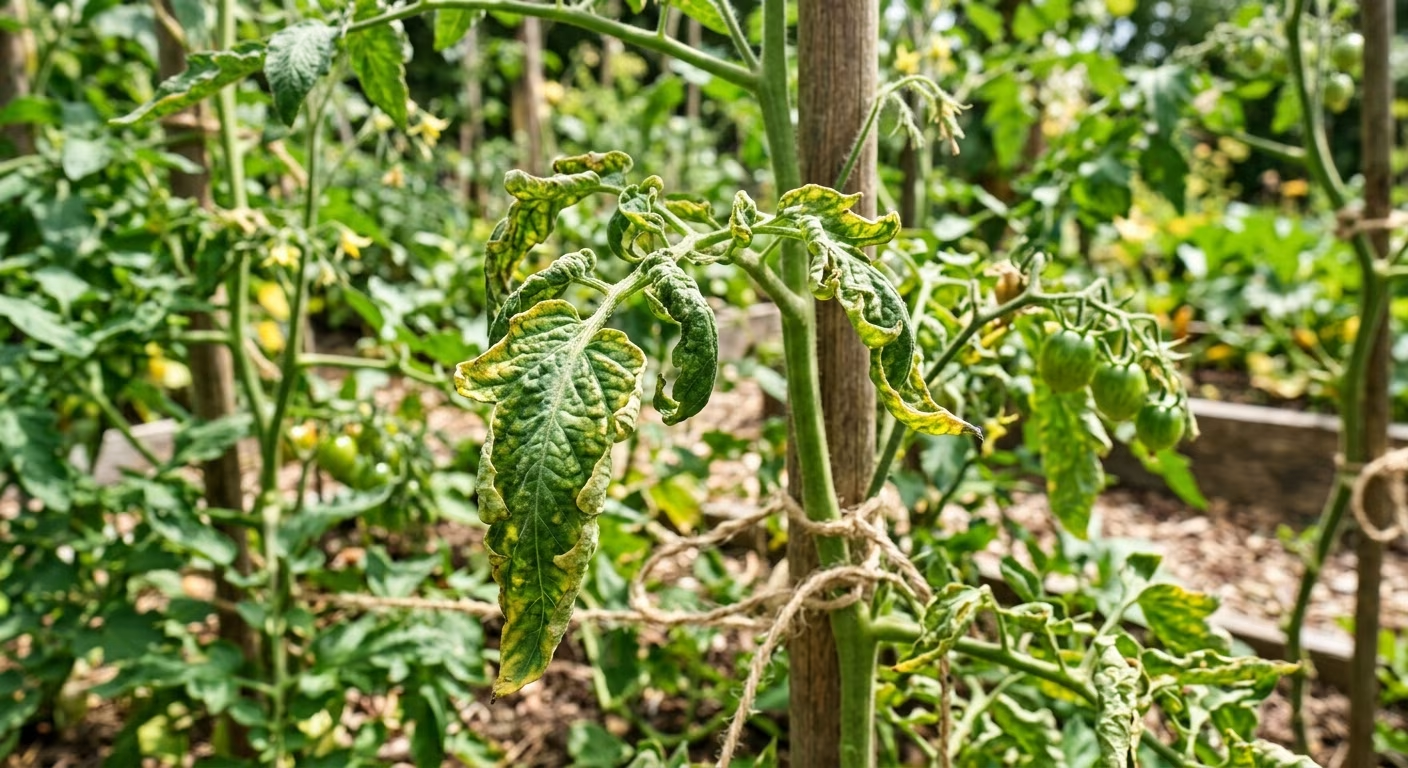
I’ve grown tomatoes for over 15 years in raised beds, containers, and a quarter-acre backyard plot. And I’ll tell you this: the moment I see a curled leaf, my stomach drops just a little. Every time. But after years of diagnosing (and over-diagnosing) this problem, I’ve learned that curled tomato leaves are almost never the disaster they look like. Most of the time, it’s something you can fix with a small adjustment in your watering routine, a shade cloth, or just a little patience.
In this guide, I’ll walk you through every major reason your tomato leaves might be curling from the very common to the more serious and tell you exactly what to do about each one. No fluff. No guessing. Just practical advice from someone who’s been there.
Is Curling Always a Problem?
First, a little reassurance. Curling tomato leaves don’t mean your plants are doomed. Leaf curling can be caused by a wide variety of factors, many of which are completely correctable and some of which resolve on their own.
The key is knowing which type of curl you’re dealing with. A leaf rolling inward lengthwise on a hot afternoon is very different from a leaf twisting and distorting with yellow veins. One is a stress response; the other might signal something more serious.
Here’s a quick diagnostic guide before we dive in:
| Curl Type | Where on Plant? | Most Likely Cause |
|---|---|---|
| Inward roll (upward) | Lower/older leaves first | Heat stress, underwatering, physiological leaf roll |
| Downward curl | Throughout plant | Overwatering / root rot, excess nitrogen |
| Twisting / distortion | New growth at the top | Herbicide drift |
| Curling with yellow / purple veins | All over | Viral infection |
| Cupping with sticky residue | Scattered | Aphids / whiteflies |
The 6 Most Common Reasons Tomato Leaves Curl
1. 🌡️ Heat Stress and Sun Exposure
This is by far the most common cause I see in home gardens, especially during July and August. When temperatures climb above 90°F (32°C) consistently, tomato plants start to struggle. The leaves curl inward essentially folding themselves like a taco to reduce the amount of leaf surface exposed to the blistering sun and hot, dry air.
I remember watching my ‘Brandywine’ tomatoes curl up dramatically during a week-long heat wave. I panicked. But within two days of rigging up a 40% shade cloth over the bed, the new growth came in perfectly normal. The older curled leaves stayed curled that’s normal but the plant was fine.
What to do:
- Use a shade cloth or garden netting (30 50% shade rating works well) to reduce light intensity without starving the plant of sun.
- Water deeply in the early morning this is critical. Watering at night can invite fungal issues, so always aim for that morning window.
- Mulch around the base of the plant to keep soil temperatures down and retain moisture.
“Prolonged periods of high temperatures over 90°F can cause stress, and curling leaves are usually a sign that the plant is working hard to conserve water.” Park Seed Blog
2. 💧 Watering Issues (Too Much or Too Little)
Watering problems are the #1 cause of tomato leaf curl across the board more common than heat, more common than pests. The tricky part? Both overwatering and underwatering can cause curling, but they look slightly different.
Underwatering causes leaves to curl upward and inward the plant is desperately trying to reduce water loss through its leaves. This usually starts on the lower, older leaves first. The leaves stay green but may feel leathery or stiff.
Overwatering causes leaves to curl downward. When roots sit in waterlogged soil, they can’t take up oxygen properly, and the leaves droop and curl under. Left unchecked, this leads to root rot which is much harder to fix.
My rule of thumb: Stick your finger 2 inches into the soil. If it’s bone dry, water deeply. If it’s soggy and smells musty, hold off and check your drainage.
What to do:
- Aim for about 1 2 inches of water per week, adjusted for your climate and container vs. in-ground situation. Container plants need more frequent watering than in-ground ones.
- Water deeply and less frequently shallow watering encourages shallow roots that are more vulnerable to stress.
- Use a drip irrigation system if you can; it delivers water directly to roots and prevents wet foliage.
- Make sure containers have adequate drainage holes.
3. 🌿 Nutrient Imbalances in the Soil
Tomatoes are heavy feeders, and the wrong nutrient balance in your soil can absolutely cause leaf curl. Here are the three most common nutrient culprits:
| Nutrient | Problem | Symptom |
|---|---|---|
| Nitrogen (too much) | Overfeeding | Leaves curl and droop downward; excessive leafy growth |
| Potassium (too little) | Deficiency | Stunted growth, yellow edges, curling |
| Phosphorus (too little) | Deficiency | Reduced fruiting, yellowing, curling |
I’ve made the nitrogen mistake myself. I got excited with a high-nitrogen fertilizer one spring and ended up with enormous, lush tomato plants that produced almost no fruit and had perpetually curling leaves. Lesson learned: match your fertilizer to the growth stage.
What to do:
- Get a soil test before the season your local cooperative extension office often offers affordable testing kits.
- Amend with compost to improve overall soil health and nutrient balance.
- Use a balanced fertilizer early in the season, then switch to a low-nitrogen, higher-phosphorus/potassium formula once the plant starts flowering.
- Avoid over-fertilizing more is rarely better with tomatoes.
4. ✂️ Over-Pruning (Physiological Leaf Roll)
This one surprises a lot of gardeners. If you’ve been aggressively pruning your tomato plants removing lots of suckers and leaves in one go the remaining leaves may curl as a self-protection response. Scientists at Purdue University’s Vegetable Crops program note that when large amounts of photosynthate are produced but there aren’t enough plant sinks to use it (because branches have been removed), starch can build up in the leaves and cause them to curl.
This type of leaf curl is called physiological leaf roll and it’s the most common form of tomato leaf curl overall. It’s especially common in indeterminate varieties (like most heirloom tomatoes), which are more prone to this response than compact determinate types.
Good news: Physiological leaf roll has minimal impact on your harvest. The plant usually recovers on its own within a few weeks as conditions stabilize.
What to do:
- Prune conservatively never remove more than one-third of the plant at a time.
- If you’ve already over-pruned, just step back. Leave the plant alone and let it recover.
- Avoid pruning in the heat of the day; early morning is best.
- Consider choosing determinate varieties if leaf roll is a consistent problem for you.
5. 🐛 Pests: Aphids, Whiteflies, and Thrips
If you see curling leaves accompanied by sticky residue, small insects, or a sooty black coating on the leaves, you may have a pest problem. Sap-sucking insects like aphids, whiteflies, and thrips can cause leaves to curl by draining plant fluids from the leaf tissue itself.
How to check: Flip the leaf over and look at the underside. That’s where these pests tend to hide. Aphids look like tiny green, yellow, or black bumps clustered along stems and veins. Whiteflies are tiny white moths that flutter when disturbed. Thrips are nearly invisible but leave silvery streaks.
Beyond the direct damage, whiteflies are also vectors for serious viral diseases (more on that below), so controlling them early is critical.
What to do:
- Use a strong jet of water to knock aphids off the plant this works surprisingly well.
- Apply neem oil or insecticidal soap spray, focusing on leaf undersides.
- Introduce or encourage beneficial insects: ladybugs and lacewings are natural aphid predators. Look for parasitoid wasp activity (small mummified aphids are a sign).
- Use yellow sticky traps to monitor and catch whitefly populations early.
- Avoid broad-spectrum pesticides that kill beneficial insects along with pests.
6. 🦠 Viral Infections
This is the most serious cause of tomato leaf curl and unfortunately, there’s no cure once a plant is infected. The good news is that viral infection is also one of the easier causes to identify if you know what to look for.
Here are the most common viruses to watch for:
| Virus | Key Symptoms | Spread By |
|---|---|---|
| Tomato Yellow Leaf Curl Virus (TYLCV) | Small leaves curling upward, yellowing margins, stunted growth | Whiteflies (Bemisia tabaci) |
| Tomato Mosaic Virus (TMV) | Inward leaf roll + mottled mosaic pattern, brown inside fruit | Contact / contaminated tools |
| Curly Top Virus (BCTV) | Leaves cup downward, become thick and brittle, purple veins | Leafhoppers |
| Tomato Spotted Wilt Virus | Downward-cupped leaves, necrotic (brown/dead) spots | Thrips |
What to do:
- Remove and destroy infected plants immediately do not compost them, as this can spread the virus.
- Control whitefly and thrip populations aggressively to prevent spread to other plants.
- Choose TYLCV-resistant tomato varieties if you live in an area where this virus is common (Florida, parts of the Southwest, and Mediterranean climates).
- Sanitize garden tools between plants with a dilute bleach solution.
- If you’re unsure of the diagnosis, contact your local cooperative extension office many run plant diagnostic labs.
Bonus Cause: Herbicide Drift
If you or a neighbour recently applied a weed killer nearby, your tomato plants may have been exposed to herbicide drift. This is less common than the causes above, but it’s important to recognize because it looks quite different: affected leaves don’t just roll they twist and distort dramatically, especially in new growth at the top of the plant.
Unfortunately, there’s little you can do once herbicide damage has occurred. If the exposure was mild, new growth may come in normally. If severe, the plant is unlikely to recover and should be removed.
Quick-Reference Summary
| Cause | Severity | Fixable? | Key Fix |
|---|---|---|---|
| Heat / Sun | Low Moderate | ✅ Yes | Shade cloth + morning watering |
| Underwatering | Moderate | ✅ Yes | Deep watering schedule |
| Overwatering | Moderate High | ✅ Often | Improve drainage; reduce watering |
| Nutrient Imbalance | Low Moderate | ✅ Yes | Soil test + compost/balanced fertilizer |
| Over-Pruning | Low | ✅ Self-resolves | Leave plant alone; wait 2 3 weeks |
| Pests (Aphids/Whiteflies) | Moderate | ✅ Yes | Neem oil, beneficial insects, sticky traps |
| Viral Infection | High | ❌ Remove plant | Control pests; use resistant varieties |
| Herbicide Drift | High | ⚠️ Sometimes | Mild: wait and monitor. Severe: remove |
Prevention: How to Keep Tomato Leaves Healthy All Season
As with most things in gardening, prevention beats cure every time. Here are the habits that in my experience make the biggest difference:
- Mulch generously. A 2 3 inch layer of straw or wood chip mulch around the base of each plant keeps soil moisture consistent and temperatures cooler. This single habit prevents a huge percentage of heat-related and water-related leaf curl.
- Water deeply and consistently. Irregular watering stresses the plant more than underwatering does. A drip timer is worth every penny.
- Test your soil before planting. Amend it with compost and balanced nutrients so you’re starting from a good place.
- Choose resistant varieties. If your region has known issues with TYLCV or other viruses, choose certified resistant cultivars from the start.
- Check your plants daily. Spending even five minutes in the garden each morning lets you catch small problems a few aphids, slight wilting before they escalate.
- Harden off transplants properly. Moving seedlings from indoors to the garden is a shock to the system. Gradually increase outdoor exposure over 7 10 days before transplanting to reduce transplant shock.
Final Thoughts From the Garden
I want to leave you with this: don’t panic when you see curled tomato leaves. Take a breath, walk around the plant slowly, flip a few leaves over, check the soil moisture, think about the weather over the past week. In most cases, you’ll find an obvious cause and an obvious fix.
Tomatoes are resilient. They want to grow. They want to fruit. Your job is just to remove the obstacles. Curling leaves are the plant’s way of telling you something needs attention and now you know exactly how to listen.
If you’re still unsure after working through this guide, reach out to your local Cooperative Extension office they offer free or low-cost plant diagnostic services and are an invaluable resource for home gardeners.
References
- Burrows, R. “Why Are My Tomato Leaves Curled Up?” SDSU Extension (South Dakota State University). Last updated June 2025.
- UC Cooperative Extension “Tomato Leaves Curling?” University of California Agriculture and Natural Resources (UC ANR). April 2025.
- Purdue University Cooperative Extension “Tomato Leaf Curling.” Purdue Vegetable Crops Hotline. May 2022.
- UC Statewide IPM Program “Tomato Yellow Leaf Curl.” University of California Integrated Pest Management. (Accessed June 2026.)
- Williamson, J. “Tomato Leaves Rolling?” Clemson University Home & Garden Information Center (HGIC). May 2025.
- University of Florida IFAS Extension “Tomato Yellow Leaf Curl Virus Management for Homeowners.” UF/IFAS IPM. (Accessed June 2026.)