
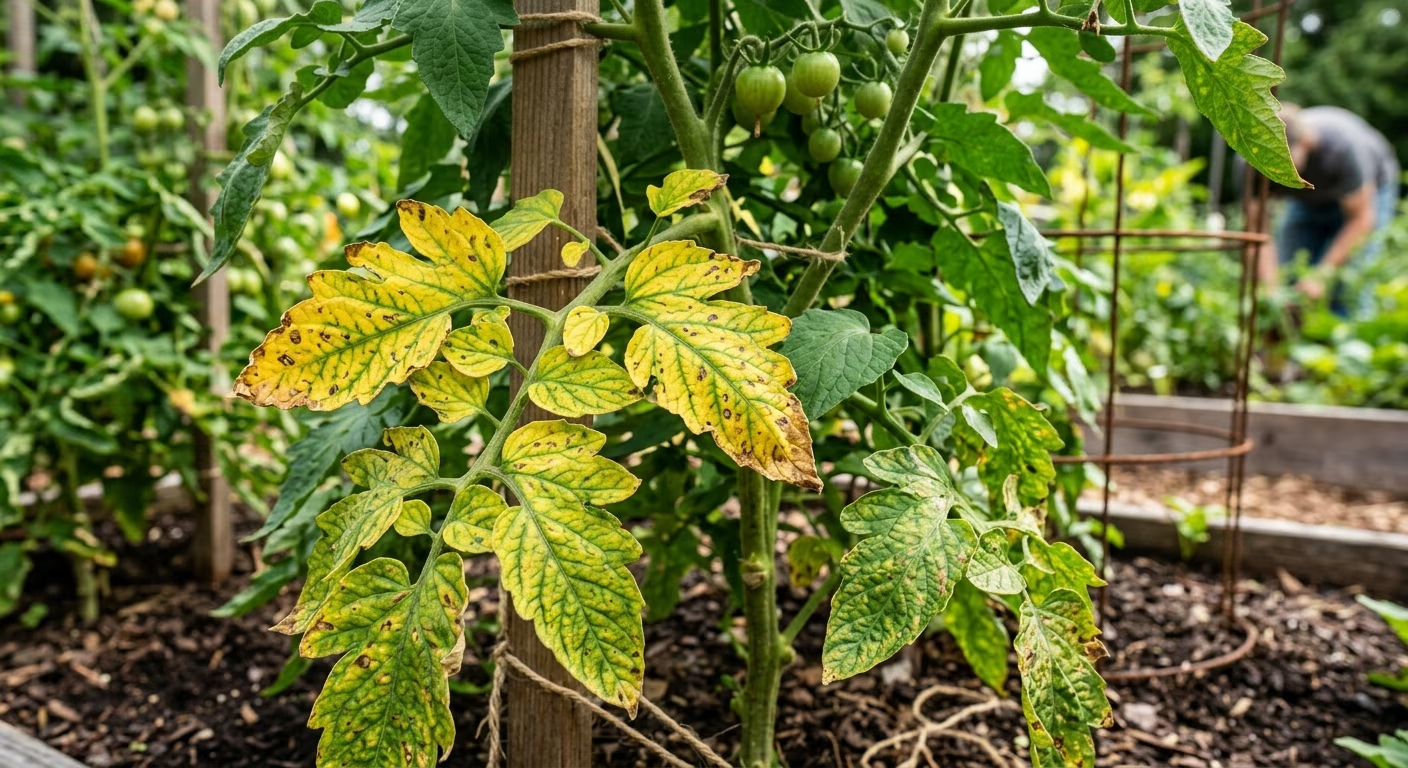
I’ve been growing tomatoes for over two decades in backyard raised beds, containers on apartment balconies, and everything in between. And I can tell you honestly: yellow leaves on tomato plants are the number-one panic trigger for home gardeners. I’ve been there myself, crouching over a plant on a Sunday morning wondering what went wrong. The good news? Most of the time, it’s absolutely fixable if you know what you’re looking for.
In this guide, I’ll walk you through every major reason your tomato leaves might be turning yellow, and exactly what to do about each one. No fluff, no guesswork just real, experience-backed advice.
🍅 First: Is the Yellowing Actually a Problem?
Before you worry, take a breath. Not all yellow leaves mean disaster. Here are two situations where yellowing is completely normal:
- Seedling cotyledon leaves: The very first leaves a tomato seedling produces are called cotyledons. These seed leaves are designed purely to feed the seedling while it establishes itself. Once the true leaves take over, the cotyledons yellow and drop and that’s perfectly healthy. I remember my first season panicking over this exact thing!
- Bottom leaves on established plants: As a tomato plant matures, the lowest leaves naturally age and yellow. If it’s just a few bottom leaves and the rest of the plant looks green and vigorous, you’re likely fine.
The key rule: If yellowing is spreading upward, affecting multiple sections of the plant, or accompanied by spots, wilting, or stunted growth then it’s time to investigate.
🔍 The 5 Main Reasons Tomato Leaves Turn Yellow
1. Watering Problems (The #1 Culprit)
In my experience, incorrect watering is hands-down the most common reason tomato leaves turn yellow. With a lack of moisture, tomato leaves first curl, then begin to turn yellow and die and incorrect watering is probably the most common reason for yellowing leaves and problems with tomato plants in general.
Overwatering is where most gardeners go wrong (I was guilty of this for years). Too much water can suffocate the roots and cause them to rot, and one of the first signs of root rot is yellowing leaves that drop off the plant.
Underwatering is the other extreme. Underwatering can also cause leaves to turn yellow after they start to wilt you should notice the wilting long before the color changes, and leaves typically begin to yellow from the edges before they drop off.
My personal trick: I push my finger 2 inches into the soil near the roots. If it feels dry, it’s time to water. If it feels soggy, hold off and check your drainage.
✅ How to Fix It
- Once you transplant tomato plants into the garden, keep a consistent watering schedule and use deep watering techniques throughout the week, especially when temperatures get warmer.
- Tomatoes in containers dry out faster and need extra watering some container tomato plants will need water twice a day. Always water at the base of the plant.
- A general baseline is about 2 inches of water a week for a plant in the ground, but environmental factors like wind, heat, humidity, and soil type can all adjust that number up or down.
- Use drip irrigation if possible it keeps soil moisture steady and reduces the risk of fungal disease from wet foliage.
2. Nutrient Deficiencies (The Silent Killer)
This is where it gets a little more nuanced and where I’ve seen gardeners reach for the wrong fix and make things worse. Tomatoes are considered “heavy feeders” and their nutrition requirements are sizable yellowing leaves can be a sign of many different problems including nitrogen deficiency.
To determine exactly what nutrients your tomatoes need, identify where the yellow leaves are on the plant, which parts of the leaves are yellowing, and run a quick soil test.
Here’s a quick visual guide I use in my own garden:
| Nutrient | Which Leaves Affected | Symptoms | Quick Fix |
|---|---|---|---|
| Nitrogen | Older/lower leaves first | Entire leaf turns pale yellow | Balanced fertilizer; compost or blood meal |
| Magnesium | Older leaves | Yellow between leaf veins (veins stay green) | Epsom salt spray (2 tbsp per gallon) |
| Iron | Younger/upper leaves | Yellow leaves with green veins | Iron chelate foliar spray or soil amendment |
| Potassium | Leaf edges | Yellow edges turning brown/scorched | Potassium-rich fertilizer or potash |
| Calcium | Young leaves + fruit | Yellow young leaves; blossom end rot on fruit | Calcium fertilizer; adjust soil pH |
Nitrogen Deficiency
Nitrogen is an essential nutrient for plant growth and helps produce chlorophyll. Without enough nitrogen, tomato leaves will begin to turn yellow starting at the bottom of the plant and working up and nitrogen deficiency can also cause stunted growth, poor fruit production, and even plant death.
The older leaves turn yellow because they are providing their nitrogen to younger leaves to survive. Think of it as the plant robbing Peter to pay Paul.
Fix it: A slow-release fertilizer or an organic option like blood meal provides a steady supply of nitrogen. Regularly monitoring soil nutrient levels through soil tests helps manage fertilizer applications more accurately.
Magnesium Deficiency
Magnesium deficiency in tomato plants causes older leaves to yellow while their veins remain green a condition often worsened by high potassium levels that can lock out magnesium.
Fix it: If you’re sure of a magnesium deficiency, try a homemade Epsom salt mixture combine two tablespoons of Epsom salt with a gallon of water and spray the mixture on the plant. Leaves should start to become green within a week of treatment.
Iron Deficiency
Yellowing of leaves can also be the result of an iron deficiency in the plant, and this will be most prominent in the youngest leaves.
Fix it: Treat tomato plants with a foliar spray of iron sulfate or iron chelate foliar sprays are generally more effective than soil amendments because they directly target the leaves, where chlorophyll is produced.
💡 Pro Tip from Experience: Before buying any fertilizer, always do a soil test first. I learned this the hard way after adding nitrogen to a bed that was already over-fertilized it made things worse, not better. A basic soil test takes the guesswork out completely.
3. Fungal Diseases & Pests
Most fungal and bacterial diseases cause some kind of yellowing on tomato plants. These are the cases that worry me most as a grower, because disease can spread fast if you miss it early.
Common Diseases That Cause Yellow Leaves:
- Early Blight: Early blight is caused by a fungus that lives in the soil and attacks tomato plants early in the growing season. It shows up on older leaves as irregularly shaped yellow splotches that progress into brown spots with a yellow halo around them.
- Septoria Leaf Spot: A fungal disease that starts on the bottom leaves and works its way up the plant, presenting with brown or black round spots that start to yellow if not treated.
- Fusarium Wilt: If you see yellowing that started on one side of the plant followed by wilting and browning, your tomato plant may be the victim of Fusarium wilt a soil-borne fungus that infects stems and leaves causing a restriction in water flow.
- Powdery Mildew: Powdery mildew is first noticed on older leaves as a yellow spotted appearance that, upon closer inspection, has a whitish-gray powder on the surface.
Common Pests:
- Aphids small, soft-bodied insects typically found on the underside of young leaves that consume sap, leaving leaves sticky and stressed, which can lead to yellowing.
- Spider Mites tiny pests that build fine webs on the underside of leaves and cause leaves to yellow and take on a webbed appearance as they feed.
- Thrips very small insects that feed on the chlorophyll in leaves, causing them to turn pale green and eventually yellow.
✅ How to Fix It
- Even if you don’t know the cause, remove any yellow leaf and throw it away in case it is diseased so it will not spread then spray a fungicide and hopefully early diagnosis will resolve the problem.
- When removing leaves, remove them with a clean hand, properly dispose of the leaf, and wash your hands thoroughly before continuing to work on healthy plants to avoid spreading disease.
- Use a fungicide protectant on a regular basis once every seven to ten days, and up to 14 days in a dry year.
- For pests, check the undersides of leaves regularly. A strong blast of water can dislodge aphids, and insecticidal soap works well on spider mites and thrips.
4. Sunlight & Environmental Stress
Sunlight is essential for healthy growth, but too much of it can be just as problematic as too little. Tomato plants require at least 6 8 hours of sunlight each day.
Too little sun causes weak, yellow growth especially in densely planted beds. I once planted tomatoes too close to a fence for support, and the shaded plants were noticeably more yellow. Spacing matters.
Sunburn is also possible on mature, established plants, especially as summer days heat up. Tomatoes growing on exposed west- and south-facing sites, or near reflective surfaces like block walls, may grow better with some shade cloth protection.
Cold stress can also reduce nutrient uptake, which is why tomatoes planted out too early in cool spring soil often show yellowing even when everything else seems fine. Tomato plants thrive when daytime temperatures hover between 18°C to 30°C if the weather swings too hot or too cold, the roots struggle to take up nutrients, and yellow leaves can appear even if the soil is well-fed.
✅ How to Fix It
- Plant tomatoes in a spot that gets at least 6 8 hours of direct sun daily.
- In very hot climates, use shade cloth during peak afternoon hours.
- Don’t rush transplanting wait until soil temperatures are consistently above 15°C (60°F).
- Proper watering, drainage, and nutrients are essential to a healthy garden keep your schedule consistent and consider spacing out your plants and offering enough shade if you live in a hot region.
5. Transplant Shock
One of the first signs of transplant shock is yellowing leaves. When you move a seedling from a cozy indoor tray into the open garden, it goes through a period of stress while adapting to wind, direct sun, and different soil. This is one of the most common things I see with beginner gardeners they’re convinced something is terribly wrong, but it’s just the plant adjusting.
Sometimes young tomato plants experience transplant shock after being planted or repotted, which may cause a few leaves to yellow but it should resolve after a week or two.
✅ How to Fix It
- Harden off seedlings before planting set them outside for a few hours each day for a week before transplanting.
- Water deeply immediately after transplanting.
- Avoid fertilizing heavily right after transplanting let the roots settle first.
- A light layer of mulch helps retain moisture and moderate soil temperature during this adjustment period.
🌱 Soil pH: The Overlooked Factor
Here’s something I don’t see talked about enough: soil pH plays a role in nutrient availability if the soil is too acidic, plants will have a hard time absorbing calcium and magnesium.
Ideally, soil pH for tomatoes should be between 6.2 and 6.8 to ensure optimal nutrient uptake. If your soil is outside that range, even perfectly applied fertilizer won’t be absorbed properly. I test my soil every spring before planting it takes 10 minutes and saves a whole season of headaches.
📋 Quick Diagnosis Checklist
When I walk through my garden and spot yellow tomato leaves, here’s the mental checklist I run through every single time:
- Where are the yellow leaves? Bottom of plant = likely nitrogen or natural aging. Top of plant = likely iron or calcium.
- What pattern? Whole leaf yellow = nitrogen. Yellow between green veins = magnesium. Yellow edges = potassium.
- Are there spots or lesions? Yes = likely fungal disease. No = likely nutrient or watering issue.
- Check the soil. Soggy? Overwatering. Bone dry and cracked? Underwatering.
- Look under the leaves. Tiny insects, webs, or sticky residue = pests.
- Did you recently transplant? If yes, and the plant is otherwise healthy, give it a week.
🚀 Prevention: Keep Leaves Green All Season
The best fix is always prevention. Here’s my simple annual routine:
- Test soil in spring before planting and amend as needed for pH and nutrients.
- Use a tomato-specific fertilizer throughout the season one that includes nitrogen, potassium, magnesium, and calcium.
- Mulch around plants to retain moisture and regulate soil temperature.
- Water consistently and deeply not shallowly and frequently.
- Space plants properly to allow airflow and reduce fungal risk.
- Inspect weekly flip leaves over, check for pests, remove any yellowing leaves promptly.
- Apply a preventive fungicide on a schedule, especially in humid climates, before signs of disease appear.
✅ Final Thoughts
Before you panic, know that yellowing leaves are incredibly common on tomato plants and often represent a problem that is easy to fix with a little TLC, in most circumstances, your tomato plants should recover in time if you apply the proper remedies.
I’ve rescued tomato plants that looked nearly dead from a combination of overwatering and nitrogen deficiency. I’ve identified early blight before it spread to a whole bed, just because I made it a habit to check leaves twice a week. The key is observation your plants are always talking to you. You just need to learn the language.
Happy growing and remember, a few yellow leaves don’t mean failure. They mean your plant is asking for something. Listen, diagnose, and act. Your harvest will thank you for it.
References
- “Why are my tomato leaves turning yellow?” Texas A&M AgriLife Today, Texas A&M University Extension. Published April 19, 2021; updated July 2024. https://agrilifetoday.tamu.edu/2021/04/19/why-are-my-tomato-leaves-turning-yellow/
- “Soil Health” National Agricultural Library, United States Department of Agriculture (USDA). https://www.nal.usda.gov/farms-and-agricultural-production-systems/soil-health
- “Tomato Diseases & Disorders” Clemson University Home & Garden Information Center (HGIC), Clemson University Extension. https://hgic.clemson.edu/factsheet/tomato-diseases-disorders/
- “Nitrogen Deficiency Tomato” Yara United States (crop nutrition technical documentation). https://www.yara.us/crop-nutrition/tomato/nutrient-deficiencies/nitrogen-deficiency-tomato/
- “Tomatoes” Penn State Extension, Pennsylvania State University. https://extension.psu.edu/tomatoes