
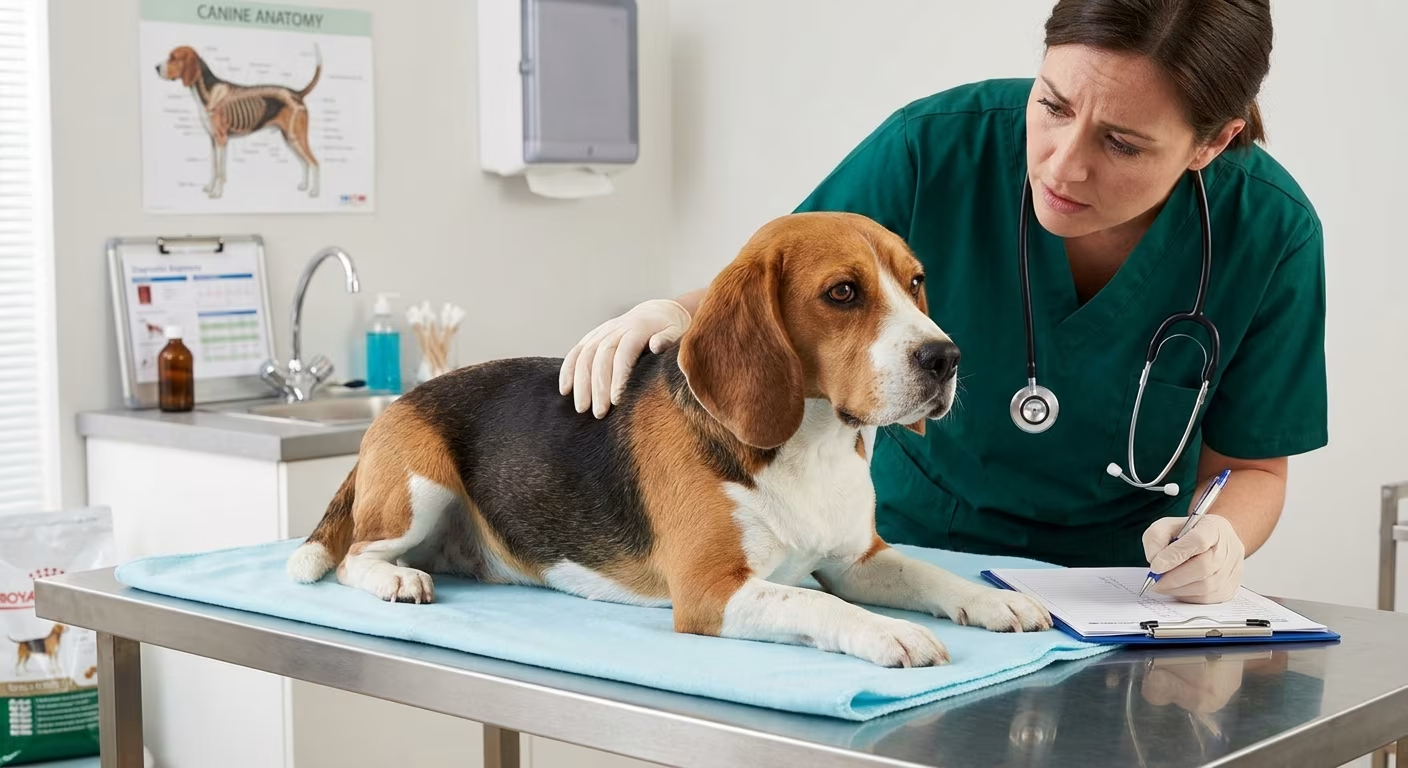
As someone who has spent years working alongside veterinarians and helping dog owners navigate some of the scariest moments of pet ownership, I can tell you seeing blood in your dog’s stool is one of those moments that stops your heart. I’ve been there myself with my own dog, Max, a 4-year-old Labrador who once left a trail of bright red blood in the backyard. The panic was real. But here’s what I’ve learned: staying calm, knowing what to look for, and acting quickly makes all the difference.
In this guide, I’ll walk you through everything you need to know about a dog pooping blood what it means, why it happens, and most importantly, what you should do about it.
🩸 Is It Always an Emergency?
Not always but it should never be ignored. Blood in your dog’s stool is a symptom, not a diagnosis. It can range from a minor dietary upset that resolves on its own, to a life-threatening condition that needs immediate veterinary care. The key is knowing the difference.
“Even mild causes may require treatment, and serious issues can worsen quickly.” Vets Now
🔍 The Two Types of Blood in Dog Stool
Before anything else, you need to identify what kind of blood you’re seeing. This is the single most important clue for your vet and for you.
| Type | Appearance | Location of Bleeding | Urgency |
|---|---|---|---|
| Hematochezia | Bright red, fresh blood | Lower GI tract (colon, rectum, anus) | Moderate to High |
| Melena | Dark, tarry, sticky stool | Upper GI tract (stomach, small intestine) | High often serious |
Hematochezia is when you see bright red, fresh blood in your dog’s stool. It comes from bleeding in the lower digestive tract the colon, rectum, or anus. Melena, on the other hand, produces dark, tar-like, sticky stool. This type of blood has already been digested, which means the bleeding originates higher up in the stomach or small intestine.
Here’s a tip from experience: Melena can be surprisingly easy to miss because it blends in with the color of normal stool. Get into the habit of checking your dog’s poop regularly. It sounds unpleasant, but it could save their life.
“Dark red or black blood is a cause for greater concern and is usually a sign that something is seriously wrong.”
🐾 Common Causes of Blood in Dog Stool
There are many reasons a dog may be pooping blood, ranging from the mild and manageable to the serious and life-threatening. Here are the most common ones:
1. Dietary Indiscretion (Eating Something They Shouldn’t)
Dogs are notorious scavengers. If your dog got into the trash, ate something rich, or swallowed a non-food item, it can irritate the GI tract and cause bloody stool. This is often the most common and most benign cause. In my experience, this is the first thing to rule out: Did they get into something yesterday?
2. Intestinal Parasites
Worms like hookworms, whipworms, and roundworms are a very common culprit, especially in puppies or dogs that haven’t been regularly dewormed. This is one of the most overlooked causes by pet owners. A simple fecal test at your vet can confirm this quickly.
3. Hemorrhagic Gastroenteritis (HGE / AHDS)
This is one of the scarier conditions. HGE now also called Acute Hemorrhagic Diarrhea Syndrome (AHDS) causes sudden, severe, jelly-like bloody diarrhea, often resembling strawberry jam. It can come on incredibly fast and lead to dangerous dehydration within hours. I’ve seen this turn critical overnight. If you suspect HGE, do not wait call your vet immediately.
4. Parvovirus
Parvovirus is one of the most serious causes of bloody diarrhea in dogs, particularly in unvaccinated puppies. It’s highly contagious and causes hemorrhagic diarrhea, vomiting, lethargy, and rapid dehydration. The good news? With proper treatment, survival rates can approach 90% but early intervention is critical.
5. Stress Colitis
Yes emotional stress can cause your dog to poop blood. A move, a new pet, fireworks, or boarding can all trigger inflammation in the colon. I’ve seen this happen after a family vacation when a dog was left with an unfamiliar sitter. It’s more common than people realize.
6. Bacterial or Viral Infections
Infections from bacteria like Salmonella or Campylobacter, or viruses, can all inflame the digestive tract and cause bloody stool alongside vomiting and diarrhea.
7. Inflammatory Bowel Disease (IBD)
Chronic inflammation of the GI tract can lead to recurring bloody stools. This is more often seen in middle-aged to older dogs and requires ongoing management.
8. Rectal Injury or Foreign Object
Objects stuck in the digestive tract like bone shards, toys, or plastic can cause tears, blockages, and bloody stool. This is a surgical emergency.
9. Cancer
While it’s the cause no one wants to hear, tumors in the GI tract or rectum can cause bleeding. Dark melena-type blood is more often associated with malignant tumors in the upper GI tract.
10. Medications & Toxins
Certain medications like NSAIDs, corticosteroids, and iron supplements can cause GI bleeding. Some toxins (like rat poison) disrupt blood clotting and can cause dark, bloody stools. Always mention any medications or potential exposures to your vet.
⚠️ Warning Signs That Need IMMEDIATE Vet Attention
Here is the list you need to bookmark. If your dog is pooping blood AND showing any of the following signs, treat it as an emergency:
- 🔴 Large amounts of bright red blood or blood that looks like pure liquid
- 🔴 Pale, white, or bluish gums (a sign of shock or severe blood loss)
- 🔴 Vomiting alongside bloody diarrhea
- 🔴 Weakness, collapse, or difficulty standing
- 🔴 Lethargy or unresponsiveness
- 🔴 Signs of pain whining, hunched posture, guarding the belly
- 🔴 Puppies or senior dogs with any blood in stool
- 🔴 Blood not resolving within 24 hours
“Blood in your dog’s stool requires quick veterinary attention if you notice large amounts of bright red blood, frequent bloody bowel movements, or other symptoms like vomiting, weakness, or collapse.”
🏠 What To Do While You Wait for the Vet
If you’ve called your vet and are heading in, here’s what you can do in the meantime:
- Stay calm. Your dog picks up on your anxiety.
- Check gum color. Normal gums are pink and moist. Pale or blue gums signal an emergency.
- Collect a stool sample in a clean bag or container if possible this can help your vet diagnose the cause faster.
- Offer small sips of water only if your dog is alert and not vomiting.
- Do NOT give any human medications aspirin, ibuprofen, or Pepto-Bismol can make things worse.
- Note symptoms and timing when it started, how much blood, other symptoms to tell your vet.
From experience: The stool sample is often the single most helpful thing you can bring to the vet. It can save time and money by giving them a direct clue.
🔬 What Will the Vet Do?
When you arrive at the vet, expect a thorough process. Your vet will ask about your dog’s diet, medical history, recent activities, and any potential exposures. They’ll perform a full physical exam and may recommend:
| Diagnostic Test | What It Checks |
|---|---|
| Fecal examination | Parasites, bacterial overgrowth |
| Complete Blood Count (CBC) | Infection, anemia, clotting issues |
| Biochemistry profile | Organ function, systemic disorders |
| Parvovirus fecal antigen test | Parvovirus infection |
| Abdominal ultrasound/X-rays | Foreign bodies, tumors, blockages |
Treatment will depend entirely on the underlying cause from deworming medication for parasites, to IV fluids for HGE or parvovirus, to surgery for foreign objects or tumors.
💊 Can You Treat It at Home?
This is a question I get all the time. The honest answer is: not without vet guidance.
For mild cases where your dog is acting completely normal, alert, and you only see a very small streak of blood, you can:
- Monitor closely for 12 24 hours
- Offer a bland diet (plain boiled chicken and rice) only after speaking with your vet
- Ensure access to fresh water
- Withhold any new foods or treats
However, never attempt to treat bloody stool at home without professional advice, as symptoms can worsen quickly. A bland diet is supportive, not curative it doesn’t address the underlying cause.
“Bland food is not a treatment for the cause, just supportive during recovery with veterinary guidance.”
🛡️ Prevention: How To Reduce the Risk
While not every cause is preventable, many are. Here’s what I recommend based on years of working with dogs:
- ✅ Keep vaccinations up to date especially for parvovirus
- ✅ Deworm regularly as recommended by your vet
- ✅ Don’t change your dog’s diet suddenly always transition slowly over 7 10 days
- ✅ Keep trash and human food out of reach
- ✅ Avoid giving bones that can splinter and cause internal injury
- ✅ Manage stress during major life changes or events like fireworks
- ✅ Regular vet checkups annual wellness exams catch problems early
📋 Quick Reference Summary
| Scenario | What To Do |
|---|---|
| Small streak of blood, dog acting normal | Call vet, monitor for 12 24 hrs |
| Large amounts of blood, multiple episodes | Go to vet immediately |
| Dark, tarry, sticky stool (melena) | Emergency vet visit do not wait |
| Blood + vomiting + weakness | Emergency vet immediately |
| Puppy with any blood in stool | Emergency vet immediately |
| Pale or blue gums | Emergency vet immediately |
Final Thoughts
I know how frightening it is to see blood when you’re cleaning up after your dog. Trust your instincts as a pet owner. If something feels wrong, it probably is. Don’t wait and wonder call your vet. A quick phone call can tell you whether you need to rush in or whether watchful waiting is appropriate.
Your dog trusts you completely. That trust means being their advocate even when it means an unexpected vet visit. Blood in stool is your dog’s way of telling you something is off. Listen to them.
References
- Canine Parvovirus Infection (Parvoviral Enteritis in Dogs) Merck Veterinary Manual. Updated June 2025.
- Parvoviral Hemorrhagic Gastroenteritis and Its Therapeutic Intervention in a 5-Month-Old Puppy PMC / Springer Nature (Companion Animal Health and Genetics). Published April 2026.
- Comparing Treatment Effects on Dogs with Acute Hemorrhagic Diarrhea Syndrome Journal of the American Veterinary Medical Association (AVMA), Vol. 262, Issue 12. December 2024.
- Bloody Stool (Melena and Hematochezia) in Dogs Vetster Veterinary Resource. April 2024.
- What To Do If Your Dog Has Bloody Poop Vetster. November 2025.
- Understanding Blood in Dog Poo: Causes and What to Do Next Vets Now. October 2025.
- Dog Pooping Blood: Is It an Emergency? Immediate Care Guide Garden State Veterinary Specialists (GSVS). May 2025.