
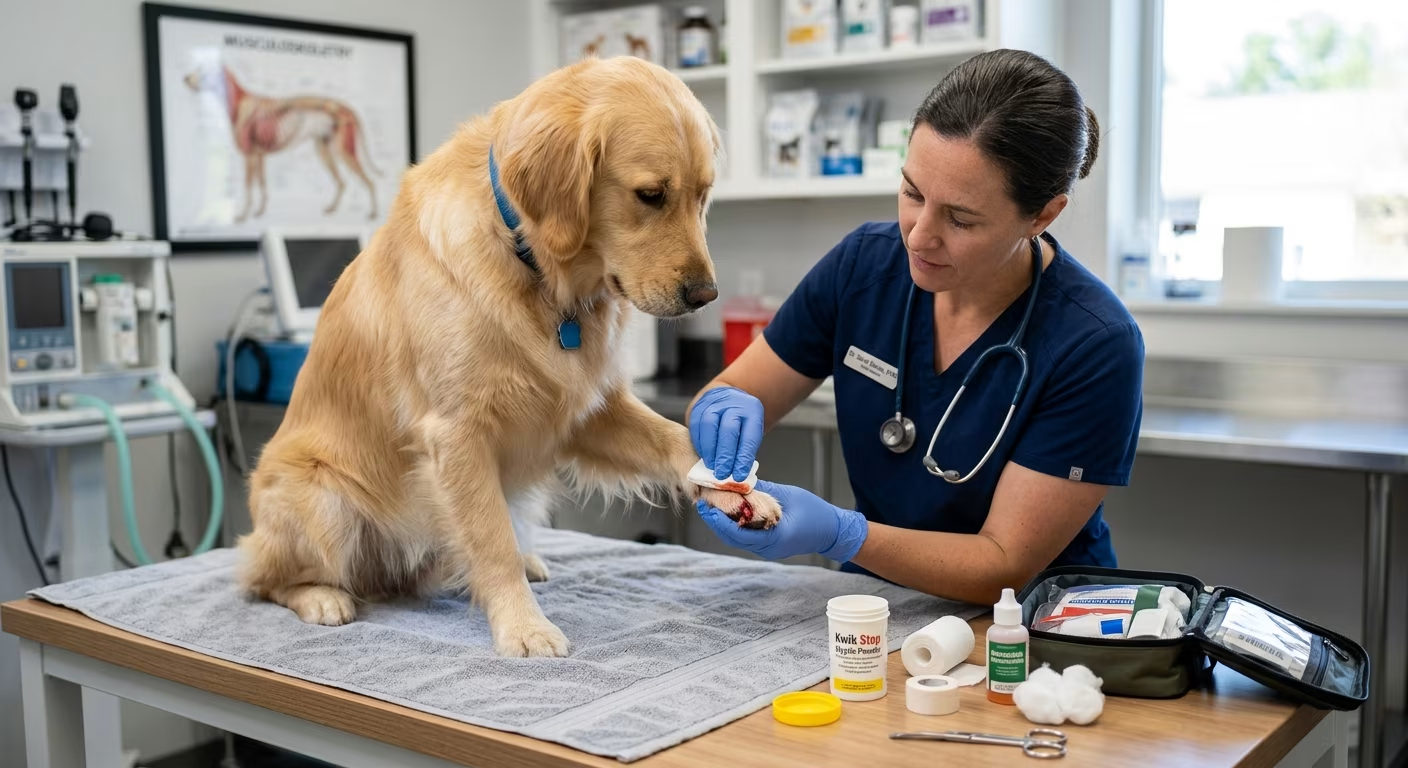
I’ve been working with dogs for over a decade from routine wellness checks to emergency nail injuries at 2 a.m. I can tell you with complete honesty: a broken nail is one of the most common calls I get from panicked pet parents. And every single time, my first words are, “Take a breath. You can handle this.”
A broken dog nail might look minor just a tiny piece of keratin, right? But trust me, it can be one of the most painful injuries your dog experiences. The anatomy of a dog’s nail means nerve endings and blood vessels are involved, and without the right response, what starts as a small crack can spiral into infection or worse.
This guide walks you through everything you need to know: what a dog’s nail actually is, how to spot an injury, what to do step-by-step, when to call your vet, and how to prevent it from happening again. Let’s go.
Understanding Dog Nail Anatomy (This Part Actually Matters)
Before you can treat a broken nail, you need to understand what you’re dealing with. I always explain it to pet owners this way: imagine your fingernail, but attached to a bone that’s a dog’s toenail.
Two key parts to know:
- The Keratin Shell: The hard outer part of a dog’s nail is made up of keratin. This hard shell protects and seals in the delicate inner portion, called the quick, which contains the blood vessels and nerves.
- The Quick: The nails of dogs consist of a central collection of blood vessels and nerves called the quick. The quick is covered by a layer of hard material called keratin, which surrounds these sensitive structures to protect them. The quick is living tissue while the keratin is not that is why trimming the tip of the nail is not painful for your pet, but exposing the quick is uncomfortable and can lead to bleeding.
Here’s the part most people don’t realize: an infection (pyoderma) that gets into the nail or nail bed can potentially enter the bone (osteomyelitis), becoming much more severe this likely explains why broken nails in dogs can be so painful.
“I once had a client whose dog broke a nail on a Friday afternoon and they waited until Monday to bring him in. By then, the nail bed was already showing signs of early infection. Don’t wait act early.”
How Dogs Break Their Nails
Dogs break their nails by snagging them on carpet, upholstery fibers, grass roots, etc. They may jump off a chair or down from a porch and land on a toe in such a way that the nail bends back and breaks. Sometimes, the nails of older pets are so dry they become brittle and break very easily. Longer nails tend to get caught on things more than short ones.
Here’s a quick breakdown of the most common types of nail injuries I see:
| Injury Type | Description | Severity |
|---|---|---|
| Tip crack/chip | Small break at the tip, quick not exposed | Mild |
| Split nail | Nail splits along length, may expose quick | Moderate Severe |
| Torn/avulsed nail | Nail partially or fully ripped away, quick exposed | Severe |
| Broken dew claw | The dew claw is the small, often lightly attached nail high up on your dog’s foot. A broken dew claw can be a minor issue if it doesn’t involve the quick, or major if the quick or skin around the nail is involved. | Mild Severe |
| Overgrown/ingrown nail | Overgrown nails are very common and easily prevented. If the nail has not curled around and started growing into the foot, the best treatment is clipping them. | Mild (if caught early) |
Signs Your Dog Has a Broken Nail
Dogs can’t tell us when something hurts they show us. Most of the time, it’s clear when your dog has a problem with a toenail. They may leave drops of blood on the floor if the injury is fresh, or you might see them licking their foot excessively. Some dogs will also limp.
Look out for these signs:
- 🐾 Sudden yelping or whimpering your dog’s nails can break quickly and unexpectedly while they’re running, jumping, or playing and if they break a nail, you might hear them yelp or notice them pulling back their paw suddenly.
- 🐾 Limping or holding up a paw a tear in a nail on a single toe can be excruciatingly painful. Any breed, tough or fragile, will hold up a foot, limp around, and whine in discomfort.
- 🐾 Excessive licking or chewing at the paw
- 🐾 Visible blood or cracked nail
- 🐾 Redness or swelling around the nail bed infected toenails aren’t always as obvious as a broken nail. Some signs include redness, puffiness around the nail bed, or hair loss caused by licking.
Step-by-Step First Aid for a Broken Dog Nail
This is the part I talk people through on the phone all the time. Follow these steps carefully and calmly.
Step 1: Stay Calm and Restrain Your Dog Safely
Safely restrain your dog. Have someone hold your pet while you tend to the nail. Remember that even the nicest pet may bite when in pain a muzzle may help avoid injury.
I always suggest wrapping your dog in a gentle hug from behind it keeps them still and makes them feel secure at the same time.
Step 2: Control the Bleeding
Control bleeding by wrapping the foot in gauze or a towel and applying pressure to the injured toe. If the bleeding does not stop in 5 10 minutes, apply a styptic pencil, silver nitrate stick, or cauterizing powder to the nail. These items can be purchased at the pet store or in the first aid section of your human pharmacy. If you do not have these products at home, try covering the nail with baking powder or flour. You can also stick the tip of the nail into a bar of soap to help stop the bleeding.
💡 Pro tip from experience: I keep styptic powder in my kit at all times. It’s a game-changer. Styptic powder (often sold under the name “Kwik Stop”) applied generously to the torn nail works well if you don’t have styptic powder, flour or corn starch will do.
Step 3: Assess and Remove the Damaged Nail Fragment (If Safe)
The damaged or broken part of the nail needs to be carefully removed. This procedure is often painful but can be accomplished quickly and often requires no sedation; however, depending on the degree of pain and where the break is, sedation and/or numbing the area with a nerve block may be required. The nail should be trimmed above the break to completely remove the damaged portion and to provide a good foundation for the nail to re-grow.
Be honest with yourself here. If the nail can be easily grasped with tweezers, a quick and gentle “tug” can be used to remove the dangling nail however, if it doesn’t come off with this gentle maneuver, see your veterinarian for help with removal within 24 to 48 hours.
Step 4: Clean and Bandage the Paw
Flush the area with saline and follow up with a dog-safe antiseptic. Then, dry off the foot with clean swabs. Pad the foot with gauze and use the self-adhering bandage to wrap it this will prevent dirt and debris from getting into the injury.
On the bandage tightness this is critical: when you wrap the foot, it shouldn’t be so tight that it cuts off the blood supply. You should be able to get two fingers between the bandage and your dog’s foot. If you’re unsure about tightness, it’s better to be on the too-loose side if it falls off, you can just replace it.
Step 5: Prevent Licking
A clean sock or bandage will keep your dog from licking the wound, which can dislodge clots, restart bleeding, or introduce infection. Covering the injury also keeps blood from getting on your clothes or carpet. Use an Elizabethan collar (cone) if needed. An E-collar should be used to prevent licking for 4 5 days following the injury.
Step 6: Change the Bandage Daily
Replace the bandage once a day for the next three to five days. Keep the bandage clean and dry and replace it immediately if it becomes wet or soiled. When your dog needs to go outside in wet weather, put a plastic bag over the bandage if you take your dog anywhere outside with the bandage on.
🚨 When to Go to the Vet Immediately
I always say: when in doubt, call your vet. But here are the clear red flags that mean skip the home first aid and go straight in:
- ✅ Continuous bleeding, especially when accompanied by pain or stress, requires quick veterinary attention.
- ✅ Contact your veterinarian if bleeding continues after 15 minutes of applied pressure, the nail is torn to the quick, signs of infection develop (swelling, discharge, or increased pain), or the break affects the nail bed or base of the nail.
- ✅ Since the nail bed or quick is attached to bone, prevention of infection is crucial. Bone infections are serious problems and only certain antibiotics are effective in treating them.
- ✅ While rare, untreated nail bed infections can spread to deeper tissues and bones of the paw. Signs of a serious infection include increasing swelling, warmth, discharge with foul odor, or your dog becoming lethargic or refusing to eat. These symptoms indicate the infection may be spreading and require quick veterinary help to prevent serious complications.
Important: avoid giving any pain medications unless specifically directed by a veterinarian, as many human pain relievers are toxic to dogs.
What the Vet Will Do
If you do bring your pup in, here’s what to expect. The vet will inspect the area, and damaged portions of the nails may be removed. The dog may need to be sedated to avoid pain and stress so the wound can be treated properly. If there is bleeding, it needs to be stopped immediately. The area will then need to be disinfected. If the nail is partially hanging, those portions will have to be removed. Treatment may also include pain medications, antibiotics to avoid infections, and if a large portion of the nail had to be removed, bandaging might be necessary to protect the area.
Generally, the cost of treating a broken nail will be $100 to $300. The total cost will depend on the severity of the injury and the medications required. The final price will be higher if sedation, X-rays, or follow-up visits are needed.
What to Keep in Your Dog First Aid Kit
Keeping a dog first aid kit on hand will ensure you have everything you need to handle minor broken or bleeding nails.
| Item | Purpose |
|---|---|
| Styptic powder (e.g., Kwik Stop) | Stops nail bleeding fast |
| Gauze pads & self-adhering bandage | Wrapping and protecting the wound |
| Saline solution | Flushing/cleaning the wound |
| Dog-safe antiseptic | Preventing infection |
| Sharp dog nail clippers | Removing loose nail fragments safely |
| Elizabethan collar (cone) | Preventing licking and chewing |
| Cornstarch or flour | Emergency bleeding alternative |
You can find the necessary bandage supplies, including fabric adhesive wrap, in the first aid section of pharmacies or grocery stores. The wrap and chlorhexidine cleansing solution can be found at most pet supply stores or through online pet supply retailers. It’s a good idea to have these supplies on hand so that you have them when the need arises.
How to Prevent Broken Nails in the Future
Prevention is always better than treatment and I’ve seen firsthand how many nail injuries are completely avoidable with a little routine care.
1. Trim Nails Regularly
To avoid a broken nail, keep your dog’s nails trimmed. Short nails are less likely to snag than long ones. A simple test: maintain your dog’s nails at an appropriate length to reduce the risk of catching and breaking. Properly trimmed nails should not click loudly on hard floors when your dog walks.
For long-term maintenance, it’s best to clip your dog’s nails weekly to prevent them from overgrowing.
2. Use the Right Tools
The right tools are essential for successful trimming. Sharp nail trimmers specially designed for dogs are a big plus dull trimmers shred the nail and increase the likelihood of a break.
You could also consider a nail grinder. A dog nail grinder files the nail down gently and makes it easier to avoid hitting the quick.
3. Nutrition Matters
For most dogs without a nail disorder, keeping the nails healthy and injury-free comes down to feeding a high-quality dog food with the nutrients needed to keep your pet’s coat and nails healthy. Just like people, dogs can have brittle nails from poor nutrition, aging, or dehydration.
4. Watch for Underlying Issues
Broken nails aren’t usually the result of an underlying health condition but if you’re seeing regular breaks, it can indicate a health problem, like a fungal infection or autoimmune disease. If you notice a change in your dog’s toenails especially if multiple toes are involved it should be checked by a veterinarian. Beyond the toenail injury itself, there are hormonal, nutritional, and metabolic problems that can affect toenail health.
Healing Timeline: What to Expect
A claw that has been torn will take several weeks to grow back. The new claw will likely appear normal but may be somewhat deformed. During recovery:
- Monitor for signs of infection daily: redness, swelling, discharge, or bad odour
- Monitor your dog’s foot constantly to ensure that the nail is healing, there is no more inflammation or infection, and the nail is growing back. If the dog’s nail is not growing back or is doing so irregularly, you should schedule an appointment with your vet for a recheck.
- Limit activity during healing and maintain a clean environment.
- If your dog appears sensitive about walking on the affected paw, you may want to apply a protective boot when walking outside.
Final Thoughts
I know how scary it feels the first time you see your dog limping with a bloody paw. But now you know what to do. Stay calm, follow these steps, keep your first aid kit stocked, and always err on the side of caution when it comes to signs of infection or bleeding that won’t stop.
The bottom line: most dogs recover well from nail injuries with proper care. Your job is to act fast, stay calm, and get help when you need it. That’s what good dog ownership looks like.
If you ever have any doubt at all about your dog’s nail injury, call your vet. That’s always the right call.
References
- VCA Animal Hospitals “First Aid for Broken Nails in Dogs.” VCA Animal Hospitals. Reviewed by veterinary staff. URL: https://vcahospitals.com/know-your-pet/first-aid-for-broken-nails-in-dogs
- MedVet “What to Do if Your Dog Breaks or Tears a Nail.” MedVet Medical & Cancer Centers for Pets. Updated March 2024. URL: https://www.medvet.com/what-to-dog-if-your-dog-breaks-or-tears-a-nail/
- FirstVet “Broken Nails in Dogs: Causes, Symptoms, and Treatment.” FirstVet. Published August 2021. URL: https://firstvet.com/us/articles/broken-nails-in-dogs-causes-symptoms-and-treatment
- Whole Dog Journal “Split or Broken Dog Nails: Treatment and Care.” Whole Dog Journal. Updated February 2026. URL: https://www.whole-dog-journal.com/care/broken-or-split-nails/
- PetMD “First Aid for a Dog’s Broken Nail.” PetMD. Written by Sandra C. Mitchell, DVM, DABVP. Updated January 2023. URL: https://www.petmd.com/dog/care/first-aid-broken-nails-dogs