
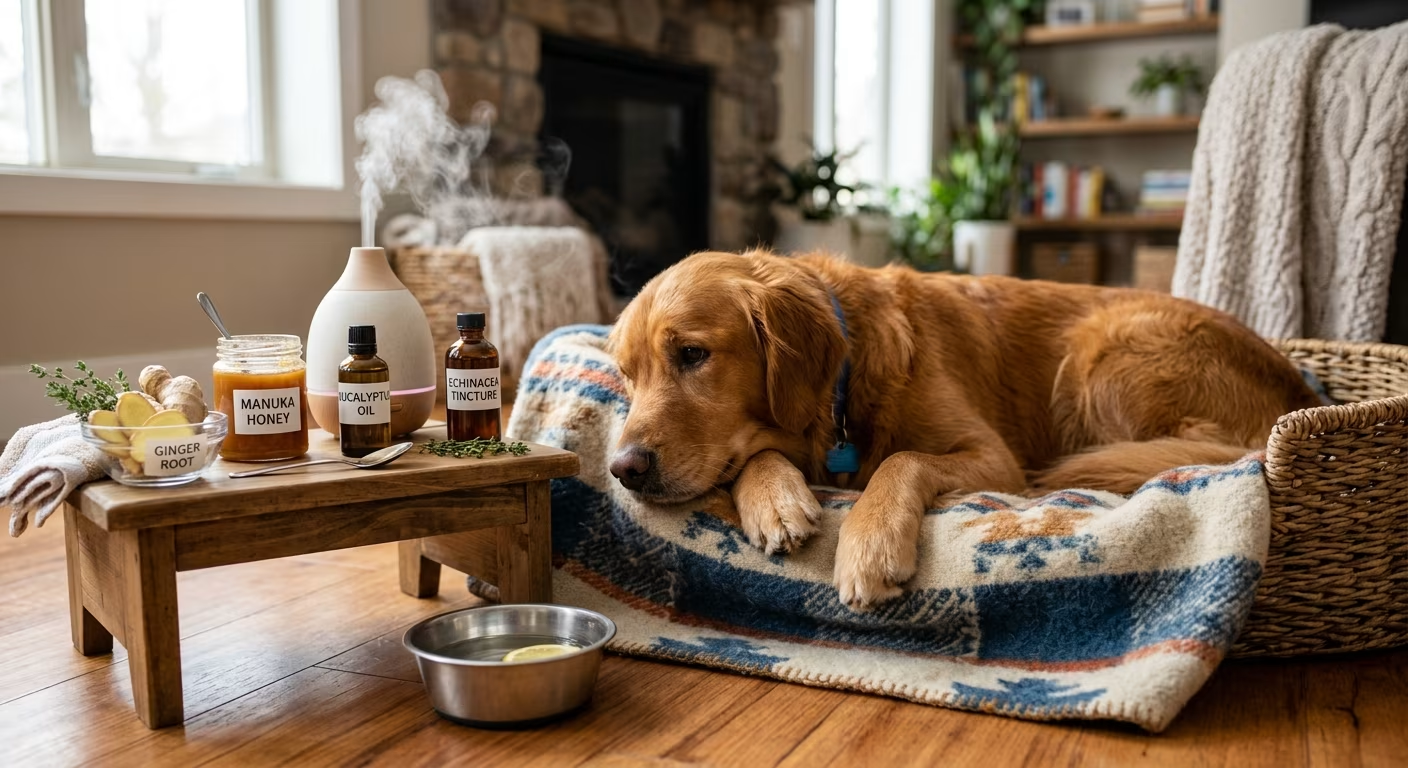
I’ve spent years working around dogs in shelters, boarding facilities, and as a canine health advisor. The first time I saw a dog with kennel cough, I panicked. That loud, honking cough sounded alarming. But over the years, I’ve learned that most mild cases can be managed safely at home with the right approach. This guide shares everything I know what works, what doesn’t, and when you should stop DIY-ing and call your vet.
What Is Kennel Cough? (And Why You’ve Probably Heard That Honk)
If your dog just came back from a boarding facility, dog park, or grooming salon and suddenly sounds like a goose that’s kennel cough. Officially called Canine Infectious Respiratory Disease Complex (CIRDC) or infectious tracheobronchitis, it’s one of the most common respiratory infections in dogs.
The most recognizable sign? A persistent, dry, honking cough. Your dog may gag, retch, or cough up a foamy material. In mild cases, they’ll still eat, play, and act relatively normal just noisier than usual.
Kennel cough is caused by a mix of bacteria and viruses most commonly Bordetella bronchiseptica and canine parainfluenza virus. It spreads through airborne droplets when an infected dog coughs, through direct contact, or via shared water bowls, toys, and surfaces. Think of it like the common cold for dogs highly contagious, uncomfortable, but usually manageable.
“It spreads anywhere dogs congregate training classes, grooming salons, veterinary lobbies, and even sidewalks where friendly nose-to-nose greetings occur.” Southern Arizona Veterinary Specialty & Emergency Center
Kennel Cough Symptoms at a Glance
Before jumping into home remedies, confirm that what you’re dealing with is indeed kennel cough. Here’s a quick reference table:
| Symptom | Mild Case | Severe Case (See Vet!) |
|---|---|---|
| Cough | Dry, honking, frequent | Wet/productive cough |
| Energy | Normal or slightly reduced | Severe lethargy |
| Appetite | Mostly normal | Refusing food or water |
| Breathing | Normal | Labored, rapid breathing |
| Fever | Absent | Present |
| Nasal discharge | Clear/watery | Yellow/green |
When in doubt, always call your vet. Symptoms can look similar to more serious conditions like distemper or pneumonia.
How Long Does Kennel Cough Last?
In most healthy adult dogs, kennel cough resolves in 1 to 3 weeks. Senior dogs or those with underlying health conditions may take up to 6 weeks to fully recover. The good news: most cases are self-limiting, meaning the body fights it off on its own with the right support.
However, kennel cough is highly contagious. Your dog can spread the infection to other dogs even before symptoms appear, and even for weeks after recovery. Keep your pup isolated from other dogs for at least two weeks after symptoms resolve.
🏠 10 Kennel Cough Home Remedies That Actually Help
These remedies won’t cure kennel cough outright but they do make your dog more comfortable and support recovery. Think of them the way you’d think of chicken soup when you have a cold: not a cure, but genuinely helpful.
1. 🍯 Raw Honey
Honey is probably the most well-known home remedy for kennel cough and for good reason. It has natural antimicrobial and anti-inflammatory properties that help soothe an irritated throat and reduce coughing frequency. Raw honey, particularly Manuka honey, is the most preferred type.
How to use it:
- Give ½ teaspoon for small dogs, 1 teaspoon for medium/large dogs
- Drizzle over food, let them lick off a spoon, or mix with warm water
- Repeat up to 3 times daily
⚠️ Important: Skip honey if your dog is diabetic or overweight. The high sugar content can worsen their condition.
2. 💨 Steam Therapy
Steam is one of my personal go-to remedies. When one of my client’s Labrador had a bad bout of kennel cough, we set up a steam session every morning and evening and the difference in his comfort level was noticeable within a day.
Steam helps loosen mucus, open airways, and ease the hacking sensation. It won’t treat the underlying infection, but it significantly relieves symptoms.
How to use it:
- Run a hot shower, close the bathroom door, and sit with your dog for 10 15 minutes
- Alternatively, use a humidifier near where your dog rests
- Do this 2 3 times daily
3. 🍲 Warm Chicken Broth
When a dog is sick, they often lose interest in food and water. Warm chicken broth is a gentle way to keep them hydrated and nourished when appetite drops. It’s comforting, easy to swallow, and provides important nutrients to help fuel their immune system.
How to make it:
- Simmer plain chicken in water (no onion, garlic, salt, or seasoning)
- Strain out all bones and fat
- Offer warm not hot in a bowl, or mix into their regular food
Tip: Bone broth from pet stores is also a convenient option just check labels for dog-safe ingredients.
4. 😴 Rest, Rest, Rest
This one sounds obvious, but it’s often overlooked. Dogs like people need rest to recover from illness. Increased activity can stress the immune system and prolong recovery time.
Create a quiet, warm, comfortable space for your dog. Limit walks to short bathroom breaks only. Skip dog park visits entirely. The calmer your dog is, the faster their body can focus on fighting the infection.
Stress can trigger a cortisol response that actually suppresses immune function so keeping your dog calm isn’t just kindness, it’s medicine.
5. 🌊 Humidifier in the Room
If you don’t want to run steam showers multiple times a day, a cool-mist humidifier placed near your dog’s resting area provides continuous relief. Humid air reduces the dryness and irritation in the throat and airways that makes the coughing worse.
This is especially helpful at night when coughing tends to spike. Many pet owners report their dogs sleeping much more soundly with a humidifier running nearby.
6. 🥥 Coconut Oil
Coconut oil contains medium-chain triglycerides (MCTs) and natural antimicrobial properties that may support the immune system during illness. While the research on dogs specifically is still emerging, it’s considered a safe supplemental addition in small amounts.
How to use it:
- Add a small spoonful (½ tsp for small dogs, 1 tsp for large dogs) to food once daily
- Always use extra-virgin coconut oil
- Start with a smaller amount to avoid digestive upset
⚠️ Don’t overdo it too much coconut oil can cause diarrhea. Moderation is key.
7. 🍊 Vitamin C Support
Vitamin C is a natural immune booster. While dogs produce their own vitamin C, supplementing during illness may give their immune system an extra edge. Dog-safe foods rich in vitamin C include blueberries, broccoli, and small amounts of orange.
You can also use:
- Vet-approved vitamin C supplements (sodium ascorbate form is gentler)
- Fresh blueberries as a treat
- Small broccoli florets mixed into food
Always consult your vet before adding supplements, especially if your dog is on any medication.
8. 🪴 Herbal Teas (Licorice Root & Marshmallow Root)
Some herbal remedies have been used traditionally to soothe respiratory irritation. Licorice root has natural anti-inflammatory properties, while marshmallow root coats and soothes the throat.
How to prepare:
- Use 1 tablespoon of loose herb per 1 cup of water
- Brew, cool, and strain completely
- Mix into meals: ¼ cup for small dogs, ½ cup for medium, ¾ cup for large dogs
- Can be refrigerated for up to 3 days
⚠️ Always discuss herbal remedies with your vet first some herbs can interact with medications or worsen existing conditions.
9. 🐾 Use a Harness Instead of a Collar
This is a simple switch that makes a big difference. A collar pressing on an already-irritated trachea can trigger coughing fits. Switching to a chest harness during the recovery period reduces pressure on the throat and airways.
I always recommend this to anyone whose dog is coughing it’s a zero-cost remedy that brings instant relief during walks.
10. 💧 Fresh Water Access at All Times
Hydration is everything during illness. Make sure your dog always has access to clean, fresh water. Dogs sometimes drink less when they feel unwell, so warm water or a splash of low-sodium chicken broth can encourage them to drink more.
Dehydration slows recovery and makes symptoms worse. Monitor water intake closely, especially in small dogs and puppies.
What NOT to Do
- ❌ Do NOT give human cough or cold medications they can be toxic to dogs
- ❌ Do NOT use Benadryl for coughing it doesn’t treat kennel cough and may cause sedation
- ❌ Do NOT add seasoning (onion, garlic, salt) to broths or foods these are toxic
- ❌ Do NOT allow your dog to socialize with other dogs while sick kennel cough is highly contagious
- ❌ Do NOT delay vet care if symptoms worsen
🚨 When to Stop Home Remedies and See a Vet Immediately
Home remedies are wonderful for mild cases, but kennel cough can develop into pneumonia. That’s why knowing when to escalate is critical. Please seek veterinary attention right away if your dog shows any of the following:
- Labored or rapid breathing
- High fever
- Complete loss of appetite or refusal to drink
- Severe lethargy (won’t get up)
- Yellow or green nasal discharge
- Symptoms lasting more than 7 10 days without improvement
- Your dog is a puppy, senior, or has a pre-existing condition
Brachycephalic breeds (like Bulldogs, Pugs, and French Bulldogs) are at higher risk of severe complications because their airways are already compromised these dogs should see a vet sooner rather than later.
When a vet visit is needed, they may prescribe antibiotics (for bacterial infections), cough suppressants, or anti-inflammatory medication to manage severe symptoms.
How to Prevent Kennel Cough in the Future
| Prevention Strategy | How It Helps |
|---|---|
| Bordetella Vaccination | Reduces risk and severity recommended annually for social dogs |
| Avoid high-risk environments when sick | Limits exposure and spread |
| Disinfect shared items | Pathogens can survive on surfaces for hours or days |
| Good ventilation at home | Reduces airborne pathogen load |
| Regular vet check-ups | Catches issues early and keeps immunity strong |
Note: The Bordetella vaccine doesn’t provide 100% protection since kennel cough can be caused by multiple organisms but it significantly reduces severity and the risk of serious complications like pneumonia.
Quick-Reference: Kennel Cough Home Remedy Dosage Guide
| Remedy | Small Dog (<20 lbs) | Medium Dog (20 50 lbs) | Large Dog (>50 lbs) |
|---|---|---|---|
| Honey | ½ tsp, 3x/day | 1 tsp, 3x/day | 1 tsp, 3x/day |
| Coconut Oil | ¼ tsp, 1x/day | ½ tsp, 1x/day | 1 tsp, 1x/day |
| Herbal Tea | ¼ cup/meal | ½ cup/meal | ¾ 1 cup/meal |
| Steam Therapy | 10 15 min, 2 3x/day (all sizes) | ||
Always consult your veterinarian before starting any new supplement or remedy, especially for puppies, seniors, or dogs with health conditions.
Final Thoughts From Someone Who’s Been There
Kennel cough is scary the first time you hear it. But once you know what you’re dealing with, it’s very manageable. The combination of rest, honey, steam, hydration, and keeping your dog isolated goes a long way in making them comfortable while their immune system does the heavy lifting.
The key is staying alert. Watch your dog closely. If they’re eating, drinking, and still wagging that tail even a little that’s a good sign. But if things start going the wrong direction, don’t wait. Call your vet.
Your dog trusts you. And with the right information, you’ve got this.
References
- American Veterinary Medical Association (AVMA). “Canine Infectious Respiratory Disease Complex (Kennel Cough).” AVMA Pet Owner Resources. Accessed June 2026.
- American Humane. “Kennel Cough in Dogs: Symptoms, Causes and Treatment.” American Humane Public Education. Published 2022.
- Cornell University College of Veterinary Medicine. “The Risks of Kennel Cough.” Riney Canine Health Center. Accessed June 2026.
- American Kennel Club (AKC). “What to Know About Kennel Cough in Dogs: Signs, Symptoms, Treatments.” AKC Expert Advice. Updated June 2026.
- PetMD Editorial Team. “Kennel Cough in Dogs: Symptoms, Causes, and Treatment.” PetMD. Updated January 2025.
- WebMD Pets. “Remedies for Kennel Cough: What to Do and When to See a Vet.” WebMD. Reviewed February 2025.